
The Ceiling of a Sorting and Resale Business
A wood recycling yard collects, separates and resells material. Its margin is set by the spread between what it pays to acquire and handle a load and what a buyer will pay for the graded fraction. Both ends move with markets the yard does not control, and the ceiling on the business is the tonnage it can put through at that spread. Adding more volume adds the same thin margin at a larger scale.
Moving into manufacturing changes the unit of the business from tonnes of sorted material to countable finished parts. That is why the idea is attractive. It is also why it is a different business, not an extension of the existing one.
What Changes When a Moulding Line Is Added
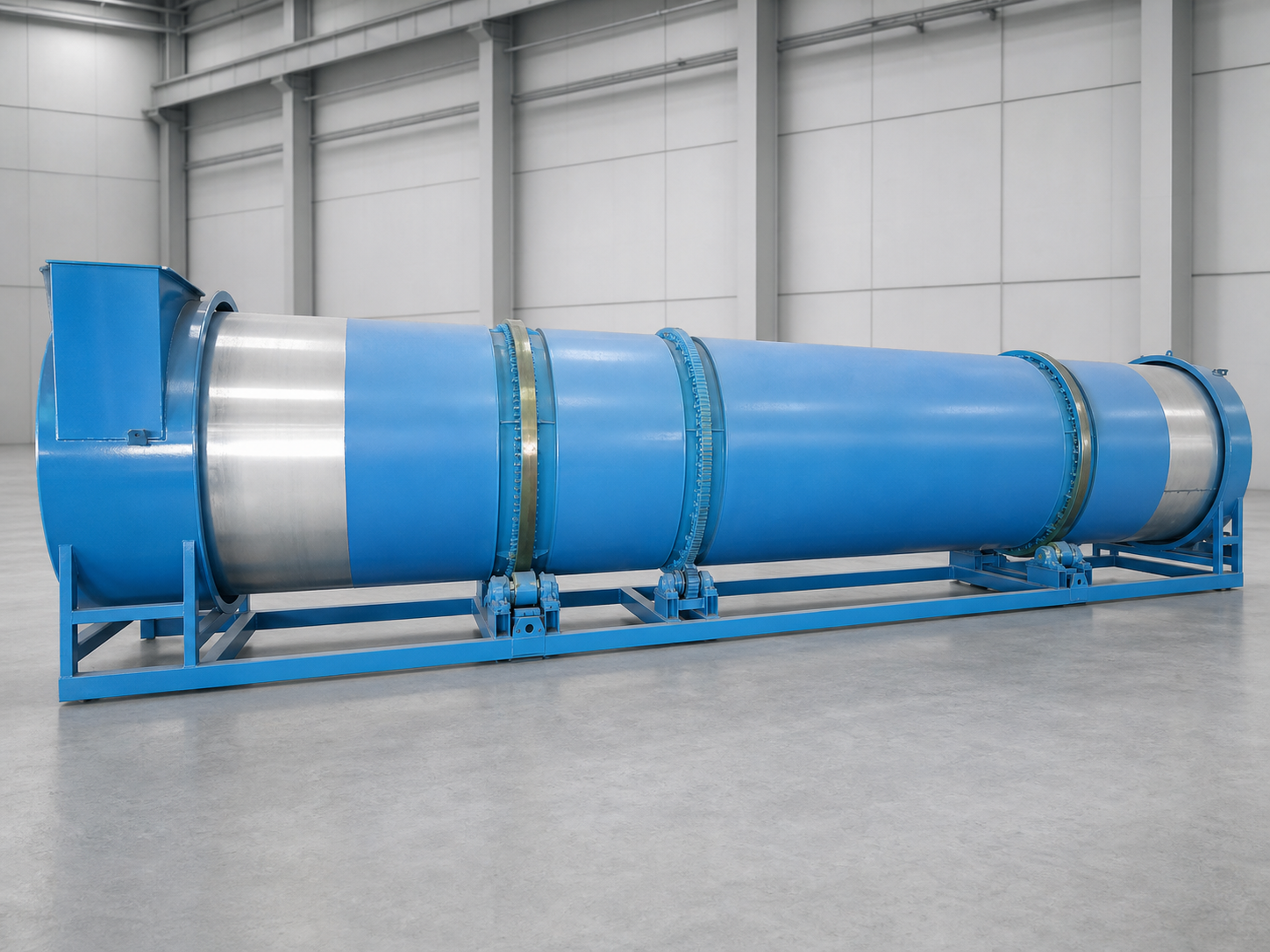
The material side is the part recyclers usually understand best. Incoming wood is reduced to fibre, metal and contaminants are separated, moisture is brought into the required band, binder is dosed and blended, each charge is weighed and spread, and the heated press forms the pallet before take-out stacking. A recycler with a controlled incoming stream already has an advantage in feedstock, but the front end still has to deliver a defined input rather than a sorted grade. The drying stage and auxiliary equipment are where that definition is produced.
Everything downstream of the press is new. A manufactured part has a specification, a rejection rate and a customer who expects repeatability. That brings quality control, tooling care, binder supply, maintenance of a hot press and its control system, and staff who can hold a process rather than sort a pile. Yield becomes a daily number. A part that fails is no longer a lower grade of waste wood; it is scrap from a production run.
Sales change too. The buyer of a pallet is not the buyer of graded chip. Quantities are ordered against a specification and a delivery schedule, so the yard takes on a commitment its previous business never had.
Three Things to Calculate Separately
A feasibility study for this step should keep three accounts apart, because a favourable result in one does not compensate for an untested assumption in another.
- Investment: the configured line, site preparation, services, dust extraction, installation and the working capital tied up before the first sale.
- Operation: energy, binder, labour, tooling wear, maintenance, rejects and the cost of preparing feedstock to a defined specification rather than a sorted grade.
- Sales capability: which pallet specification local buyers order, at what volume and delivered price, and whether the yard can hold that relationship.
The third account is often the one that decides the answer. A recycling yard may have excellent material logistics and no channel for finished pallets. Conversely, a yard already supplying pallets to local distributors has an outlet but may still face a feedstock preparation cost that was never in its original model.
Equipment Capability Is Not Profit
A line that can form a pallet says nothing on its own about whether the operation earns money. Equipment capability, output rate and return are different claims. Output figures quoted for a press are a cycle under defined conditions; sustained output depends on feedstock consistency, uptime, staffing and the yield that survives inspection.
It is worth being direct about the failure mode: a recycler that buys a line before verifying its feedstock acceptance, its operating cost and its sales channel has converted a low-margin, low-complexity business into a high-complexity one with the same uncertain demand. The decision should be made on the three accounts above, not on a machine specification.
Where the Limits Are
Investment, operating cost and sales capability must be assessed independently for the local market. Feedstock suitability depends on contamination, moisture and particle form, and needs sampling rather than assumption. Configuration choices, including whether to begin with a semi-automatic layout, change both the capital figure and the labour requirement.
Next Step
Before requesting a line quotation, write down the pallet specification you would sell, the buyer and volume, and the characteristics of the feed fraction you can supply consistently. If those three can be stated with evidence, the equipment discussion becomes a sizing exercise instead of a leap.
FAQ
Is a recycler’s existing material an automatic advantage?
It helps with supply, but only if the fraction can be prepared to a defined fibre specification. Sorted grades and process-ready fibre are not the same thing; separation, drying and characterisation still have to be done.
Can we keep selling graded material while running a line?
Many operations do, but the two outlets compete for the same incoming loads. Allocation rules, storage and the reject route need to be defined so the line is not starved during periods when bulk prices are attractive.
What is the biggest new responsibility?
Holding a repeatable process and a product specification. Quality control, tooling and maintenance of a hot press are unfamiliar work for a business organised around collection and sorting.
Does a higher output figure mean a better return?
No. Return depends on sustained output, yield, operating cost and the price at which the finished pallets actually sell. Quoted press cycles are not a business case.
Is a semi-automatic line a sensible first step?
It can be where capital is limited, since it keeps the core press and blending stage. It increases dependence on operators and lowers the ceiling on repeatability, which should be weighed against the intended customer’s requirements.