In the world of shipping and logistics, pallets play a crucial role in ensuring the safe and efficient movement of goods. While traditional wooden pallets have long been the industry standard, a new generation of sustainable alternatives is emerging, and one-way presswood pallets are leading the charge.
One-way pallets, as the name suggests, are designed for single-use applications. Unlike traditional wooden pallets, which are often reused multiple times, one-way pallets are intended for a single trip, after which they are typically disposed of or recycled. This approach offers a number of advantages, especially when it comes to environmental sustainability.
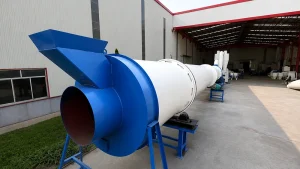
Presswood pallets, crafted from recycled wood chips and sawdust, are a prime example of a one-way pallet solution that prioritizes eco-friendliness. These pallets are manufactured using a high-pressure molding process, which compresses the wood waste into a strong and durable form. This process reduces the need for new timber harvests, minimizing deforestation and promoting sustainable forestry practices.
Furthermore, presswood pallets eliminate the need for costly and time-consuming fumigation treatments, which are often required for wooden pallets to prevent the spread of pests and diseases. This makes them a more efficient and environmentally conscious choice for shipping goods internationally.
Despite being designed for single-use, presswood pallets are surprisingly robust. They can handle significant weight, making them suitable for a wide range of products, from consumer goods to industrial materials. The ability to support substantial loads, combined with their affordability and eco-friendly manufacturing process, makes presswood pallets an increasingly popular choice for businesses seeking sustainable and cost-effective shipping solutions.
Whether you’re a small business owner looking to reduce your environmental footprint or a large corporation committed to sustainable logistics, one-way presswood pallets offer a practical and eco-conscious alternative to traditional wooden pallets. They provide a reliable and efficient solution for single-use shipping needs, while simultaneously contributing to a more sustainable future.