Malaysia Tropical Monsoon Sizing
Why Malaysia Outdoor Stockpiles Break the Catalog-Spec Rotary Sawdust Dryer
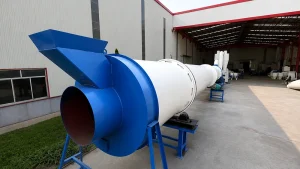
Pellet, molded-pallet and organic-fertilizer plants in Malaysia run outdoor stockpiles of sawdust, straw, and chicken manure at 55 to 80 percent moisture, and the wet season breaks the catalog-spec rotary sawdust dryer below its 0.8 to 2 t/h output. DRYR samples each raw material on site before quoting, then sizes the drum from the standard 12 m of the H-1010 to H-1815 series up to 17 to 18 m, so the binding moisture window holds through the monsoon and the press downstream stops throttling.
What DRYR Samples On Site Before Sizing the 17 to 18 m Drum
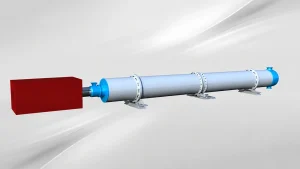
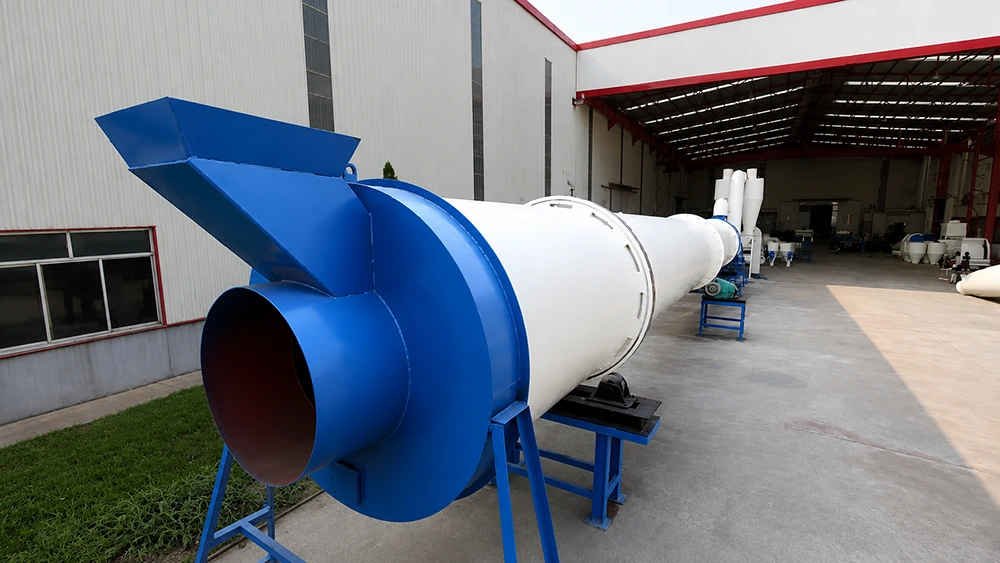
Before a DRYR rotary sawdust dryer is quoted, an EMP field engineer runs a one to two day sampling visit at the customer site. Three streams are measured at the actual storage location rather than at the infeed bin: open-yard sawdust piles, uncovered straw bales, and chicken manure heaps, each tested across the day to capture the morning and afternoon moisture swing during the wet season. The samples are weighed, oven-dried at 105 degrees Celsius, and bench-tested for particle size distribution and bulk density. From these numbers the engineer derives the specific moisture load the drum must remove per ton of finished product, the required evaporation capacity, and the heat-exchange area needed to hold the binding moisture window. Only after these numbers are on the engineering sheet does the DRYR drum length get sized from the standard 12 m of the H-1010 through H-1815 series up to the 17 to 18 m long drum used on tropical and monsoon sites.
How the 17 to 18 m Drum Holds 0.8 to 2 t/h Through the Wet Season
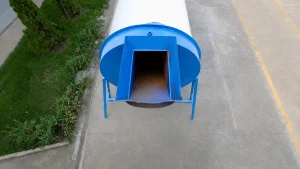
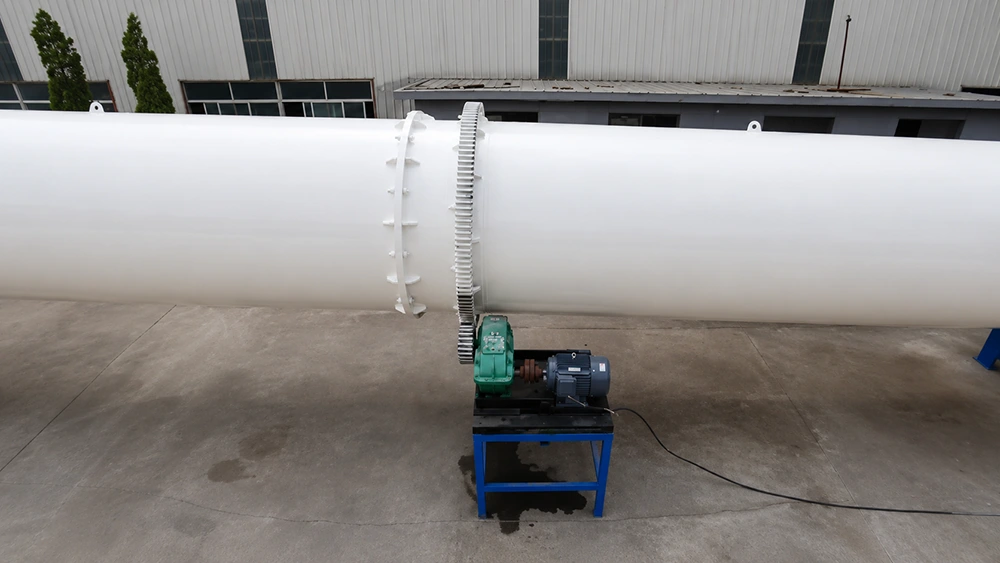
A 17 to 18 m rotary drum dryer adds roughly 40 to 50 percent more drying residence time and matching heat-exchange surface over the standard 12 m drum on the same drum diameter. Combined with the staggered lifting plates inside the drum, the wet sawdust, straw or chicken manure gets lifted, cascaded, and exposed to the multi-fuel hot-air stream across more flights per rotation. Output moisture holds below 10 percent on the 0.8 to 2 t/h H-1010 through H-1815 capacity tier through the wet months, even when ambient relative humidity sits at 80 to 95 percent and the infeed has been outside for a week. The multi-fuel hot-air furnace accepts coal, biomass pellets, on-site wood waste, or gas depending on what is available locally, so the dryer is not locked into one fuel market that swings with the monsoon logistics. Cyclone dust collection and optional baghouse filtration on the discharge keep the dryer envelope closed, which matters when monsoon humidity is already pushing ambient dust to the limits of the surrounding community.
From Buying Dry Sawdust Back to In-House Drying Capacity
The result is that pellet, molded-pallet, and organic-fertilizer plants in Malaysia stop buying dry sawdust from traders when the wet season breaks the infeed moisture window. The DRYR rotary sawdust dryer holds 0.8 to 2 t/h on the H-1010 to H-1815 range and brings output moisture inside the 8 to 10 percent pelletizing binding window or the 10 to 15 percent safe-storage band on bagged fertilizer pellets. The 17 to 18 m drum is shipped in bolted flange sections inside 40HQ containers, gets reassembled by the DRYR commissioning crew, and runs continuously through the wet season with PLC temperature feedback and seal monitoring. For a Malaysia plant that was previously throttling the press or paying a monsoon premium on imported dry fiber, the shift is a single engineering decision taken before the rotary drum dryer is quoted: measure the outdoor stockpile first, then size the drum.
- DRYR rotary sawdust dryer Malaysia outdoor stockpile
- On-site moisture sampling sawdust straw chicken manure
- 17 to 18 m drum sizing 0.8 to 2 t/h
- H-1010 H-1212 H-1512 H-1815 monsoon throughput