Your pallet pool already recycles. So why does ESG still flag it?
Plenty of responsible logistics networks have moved past single-use thinking. They run recovery and pooling programs, repair pallets, and keep good wood in circulation. An EMP presswood pallet machine enters this conversation not to replace that discipline but to expose its ceiling. A wooden stringer pallet can be repaired and downgraded only so many times before the fiber is too weak to certify, and then it leaves the loop as waste. Under ESG scrutiny, a narrative that stops at “we recycle” is exactly the kind of claim auditors pull apart as greenwashing.
- Repair has a limit. Each repair cycle shortens service life; eventually the pallet is rejected from the pool.
- Downgrading hides the loss. Demoted pallets still exit the system as scrap once they fail grade.
- The waste stream is the proof. A logistics loop that ends in disposal is a partial loop, and reviewers know it.
Why a molded pallet line closes the loop instead of patching it
The difference is material, not logistics. A compressed wood pallet machine reconstitutes recovered wood fiber into a new one-piece pallet through heat and pressure. When a molded pallet is damaged or retired, it is crushed and fed back into the same molded pallet production line — the output of one cycle becomes the feedstock of the next. That is wood waste to pallet conversion as a physical closed loop, not a collection program with a leakage point at the end.
This is why a wood waste recycling machine at the heart of the line matters more than another repair bench: it converts the part of the stream that pooling cannot save.
What the EMP presswood pallet machine line actually does
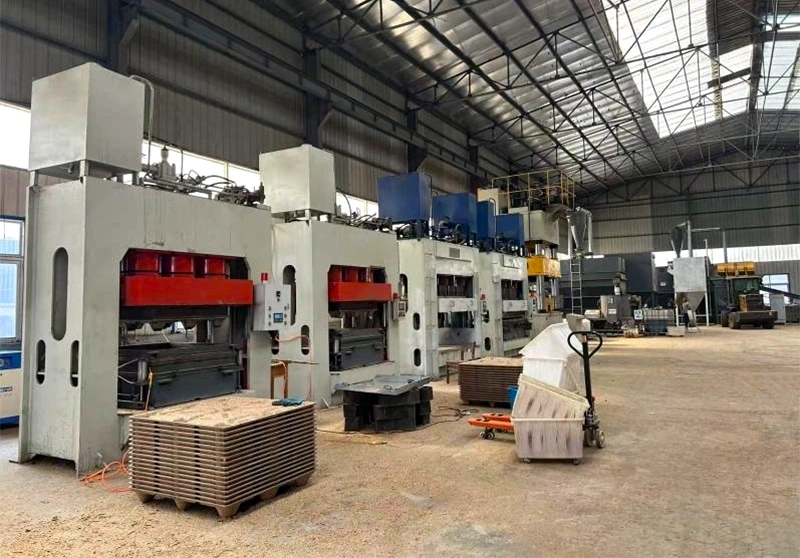
The automated pallet manufacturing line runs a straight, auditable sequence:
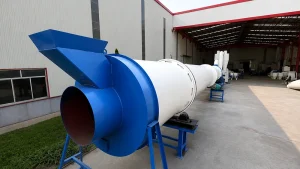
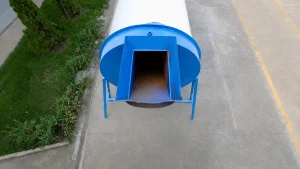
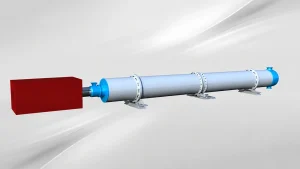
- Crushing and drying — recovered wood, sawdust, and crop residue are reduced to graded fiber and dried to molding moisture.
- Glue mixing and feeding — binder is metered and distributed for consistent board density.
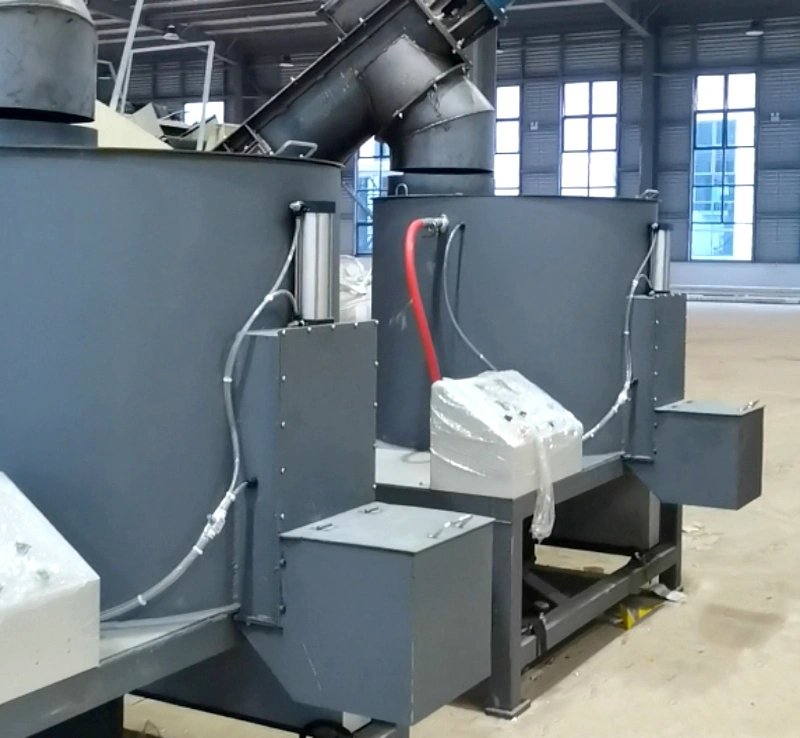
- High-pressure molding — the one-piece pallet press solution forms the pallet in a single 3000-ton-class press stroke.
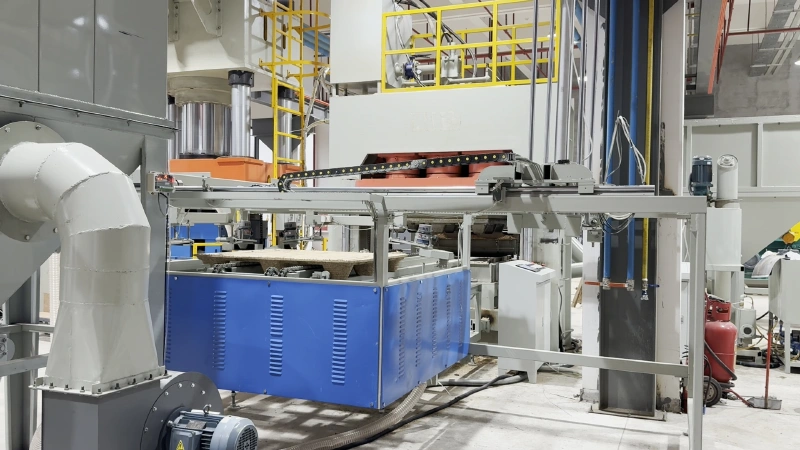
- Demolding — the nail-free wooden pallet process delivers a finished fumigation-free pallet machine output that needs no ISPM-15 treatment.
The result is a nestable pallet manufacturing product: stacked empties recover return space, and the ISPM-15 exempt pallet equipment output crosses borders without fumigation paperwork.
The green-proof point auditors accept: recovered-fiber feedstock and EUDR relief
A verbal “we recycle” is easy to challenge. A material fact is harder. The EMP line starts from 100% recovered wood that has already completed its service life, so the molded output sits outside the mainstream EUDR due-diligence scope that applies to virgin timber. Under the EU Deforestation Regulation, products made from material that has finished its lifecycle are treated as recovered-material products rather than virgin-wood commodities — a regulator-recognized position, not a slogan. Operators should confirm the exemption against their specific product scope, but the logic is material-based and defensible.
That is what separates eco-friendly pallet production from a greenwashing exposure: the claim rests on feedstock origin the supply chain can document.
Result: a defensible circular story, not a greenwashing risk
For a network already running recovery and pooling, adding a presswood pallet machine converts the leakage at the end of the pool into feedstock for the next pallet. The loop is physical — scrap re-pressed, not landfilled — and the green narrative is anchored by recovered-fiber feedstock that ESG and EUDR reviewers accept. With an automated pallet manufacturing line and a high ROI pallet production setup, the closed loop also lowers labor and return-space cost instead of only protecting a reputation.
Want to see whether a presswood pallet machine line closes the loop for your recovered-wood stream? EMP engineers the line around your feedstock and output spec.