Molded Pallet Production Line for Timber Price Volatility and Circular ESG Control
The pool operator problem: timber price volatility plus sustainable-packaging pressure
When timber prices swing and customers ask for a credible zero-deforestation and circular-material story, an AutoML presswood pallet machine gives pallet manufacturers a different cost base: sawdust, wood waste, straw, bamboo powder and other plant fibers are prepared, bonded and molded into nail-free pallets. The line can support a more predictable material plan and an auditable wood waste to pallet conversion route, but MDI is not a free upgrade: it costs more and demands disciplined release-agent spraying.
Why AutoML fits the material and compliance question
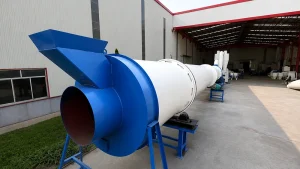
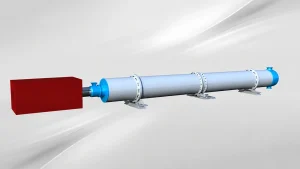
AutoML is a modular presswood pallet machine and molded pallet production line, not only a standalone press. The front end can receive sawdust, wood chips, shavings, straw, bamboo powder, bagasse or other qualified lignocellulosic residues, then crush, dry and mix them before controlled dosing and hot pressing. That creates a wood waste to pallet conversion route with less direct dependence on virgin timber pricing. Retired molded pallets can also be crushed and returned to the process when the feedstock and adhesive recipe are approved, giving ESG teams a physical circular-material route instead of a slogan. For food, pharmaceutical or export-sensitive applications, an MDI adhesive option can provide no-formaldehyde, water-resistant and high-strength output, subject to the project specification and validation.
What the line and images show: preparation, control and press evidence
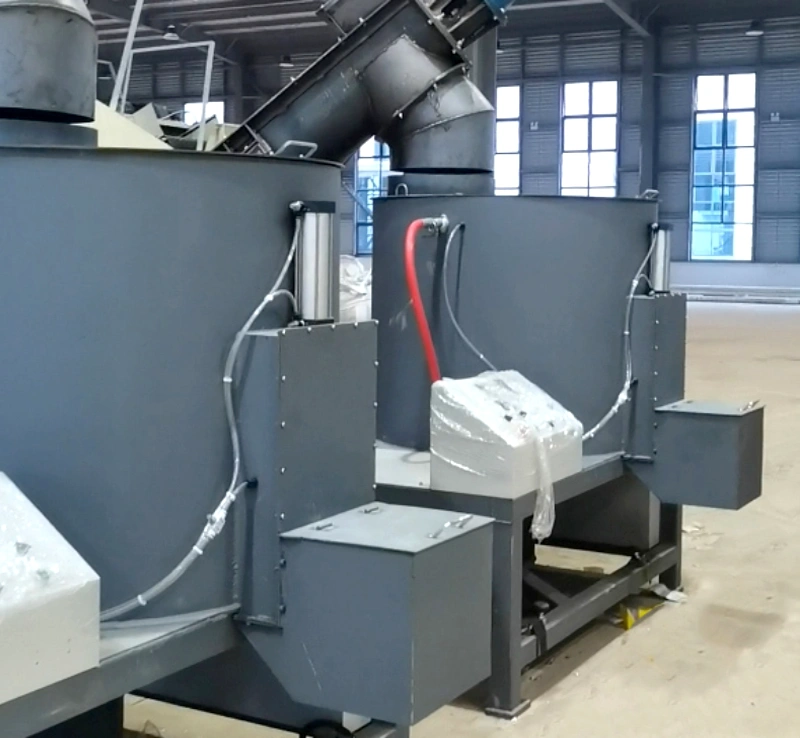
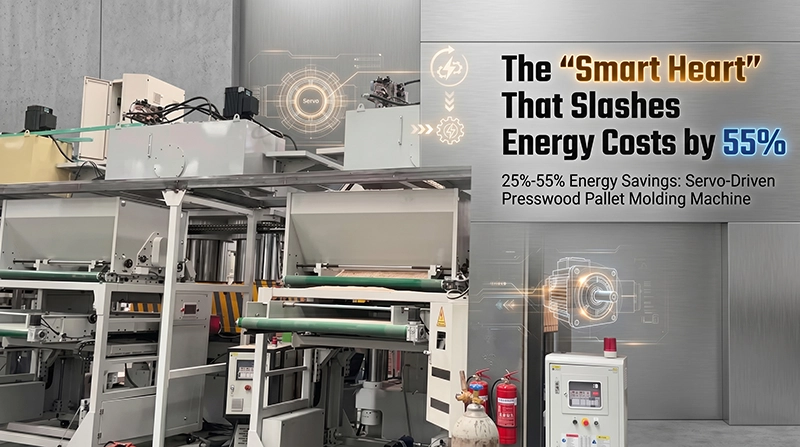
The AutoML chain is built around raw-material preparation, dual adhesive blending, dosing and spreading, hydraulic hot pressing, demolding and stacking. The adhesive-blender image shows the material-preparation point where MDI or another approved system is mixed and fed; this is the control point that protects recipe repeatability rather than a hidden chemical shortcut. Project reference windows commonly include 150-180°C, 15-20 MPa and about 180-240 seconds per press cycle, with product density commonly referenced at 0.8-1.2 g/cm3. Press tonnage and mold size remain project-dependent: common references include 1200T, 1250T, 1600T, 1800T and 2200T, while typical sizes include 1000×1000, 1100×1000, 1200×1000 and 1219×1016 mm. The servo-hydraulic evidence image supports a measured-control discussion, but energy and output claims still belong in the technical agreement and factory acceptance test.
The result, including the cost you should not hide
The expected result is not that AutoML makes material cost disappear. It changes the cost logic from a board-and-block purchase model toward qualified residue intake, conversion yield, labor, energy, adhesive and utilization. That can make material planning more controllable, turn waste into an operating asset, and give an ESG report a measurable route from input records to molded pallets and reprocessed end-of-life units. The honest limit is MDI: it is more expensive than lower-cost resin options and is more sensitive to mold sticking. An automatic release-agent spray system must be specified, kept filled, calibrated and run in sequence; if it is bypassed or poorly maintained, the mold can stick and be damaged. AutoML therefore makes sense when the business case prices the adhesive, release agent, maintenance and trial work together, then verifies the final pallet against the required storage, handling, export or food and pharma use case.
- The customer scenario is explicit: timber price volatility makes pallet cost unpredictable while ESG and zero-deforestation questions increase pressure on the pool operator.
- The old route is contrasted with AutoML: nailed timber pallets remain exposed to virgin timber purchasing, while recovered wood and plant fibers become controlled press feedstock.
- The process evidence is specific: crushing, drying, glue mixing, dosing, hot pressing, demolding and stacking, with 150-180°C, 15-20 MPa, about 180-240 seconds and 0.8-1.2 g/cm3 as project reference ranges.
- The tradeoff is disclosed: MDI costs more and can stick to the mold, so an automatic release-agent spray system must run correctly or mold damage can result.