You’ve started to suspect that your company’s pallets are costing you more than they should. It’s no longer just the invoice price; it’s the delays, the wasted space, and the looming threat of new carbon taxes. But a suspicion won’t convince your CFO or CEO. To make a real change, you need data.
This isn’t another article about the problem. This is the tool to help you solve it. Here is a practical, 5-step checklist to conduct a full audit of your current pallet strategy. Use it to gather the hard numbers you need to build a compelling business case for a more efficient, cost-effective, and future-proof solution.
Step 1: Calculate Your True “All-In” Procurement Cost
The goal here is to move beyond the per-unit price and find the true cost to get a pallet “ready for export.”
Action: Gather your invoices from the last 12 months for both pallet purchases and any mandatory treatment services (fumigation/heat treatment for wood pallets).
Calculation: (Total Pallet Cost + Total Treatment Cost) / Number of Pallets Purchased = Your True All-In Cost Per Pallet. You will likely find this number is significantly higher than the simple compressed wood pallet price you are used to seeing.
Step 2: Audit Your Operational Inefficiencies (Space & Labor)
This step uncovers the costs hidden within your daily operations.
Action: Walk your warehouse floor with your operations manager. Review your shipping manifests.
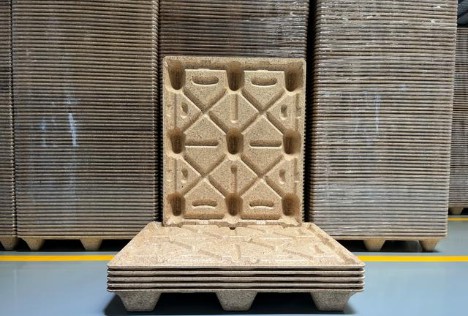
- Space Cost: How many square feet are occupied by non-nestable empty pallets? What is the annual cost of that space? Nestable pallets can save at least 50% of that area. What is that saving worth in real dollars?
- Transportation Cost: How many containers of empty pallets did you ship last year? A 40-foot container might only hold around 450 traditional units, whereas nestable options can fit up to 1650. How much did you spend shipping “air”?
- Labor Cost: Estimate the weekly hours your team spends on non-value-added, pallet-related tasks (managing certificates, cleaning debris, etc.). Multiply those hours by your average labor rate.
Step 3: Quantify Your Financial Risk Exposure
This is where you tally the cost of things going wrong.
Action: Sit down with your logistics and finance teams to review incident reports from the last 24 months.
- Compliance Risk: How many shipments were delayed due to pallet paperwork issues? Calculate the direct costs (demurrage, fines) and the indirect costs of customer dissatisfaction.
- Damage Risk: What was the total value of goods damaged due to pallet failure (collapse, water damage, nail punctures)? Include product cost, replacement shipping, and admin time.
Step 4: Project Your Future Carbon Liability (The CBAM Test)
As of August 2025, this is a critical step for future-proofing your business.
Action: Ask your current pallet suppliers for a certified Carbon Footprint Report for the pallets you purchase.
Calculation: Using the current average EU carbon price (approx. €90/ton), calculate your potential tax liability per pallet. How does this compare to alternatives? A typical plastic pallet could incur a ~$6.50 tax, while a low-carbon molded pallet is around ~$0.70. This spread represents your financial exposure, a hidden factor far beyond the initial compressed wood pallet price.
Step 5: Synthesize and Present Your Findings
Now, you consolidate your data into a powerful, one-page summary.
Action: Create a simple summary of your findings from the first four steps. Frame your conclusion not as “we have a problem,” but as “we have a significant opportunity.” The final number you’ve calculated is the “Cost of Inaction”—the money the company will lose by maintaining the status quo.
Armed with this data-driven audit, you are no longer just sharing an opinion. You are presenting a clear, undeniable case for a strategic change that will improve profitability, streamline operations, and de-risk your company’s future in the global market.