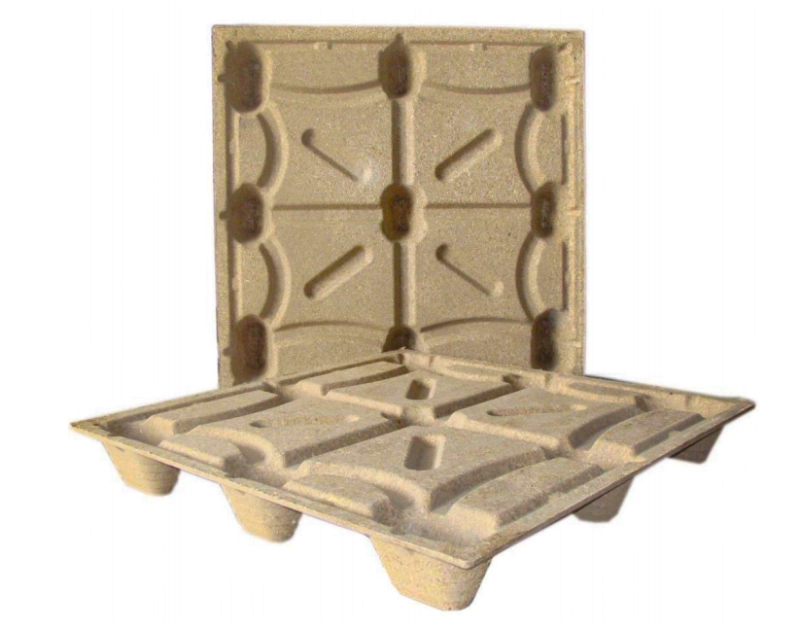
In the chemical and raw materials sector, “eco-friendly” isn’t just about saving trees—it’s about eliminating the waste of damaged FIBC bags caused by nail pops and reducing the carbon footprint of shipping “air” in half-empty containers. Stop risking your high-value resin and carbon black exports with outdated wooden logistics.
Beyond Greenwashing: The Real Sustainability of Molded Pallets
When logistics managers in the chemical industry ask, “Are presswood pallets eco-friendly?”, they are usually looking for two answers. The first is environmental compliance (ESG); the second, and arguably more critical, is operational sustainability.
If you are shipping bagged goods like PVC resin, mineral sands, or carbon black, the traditional wooden pallet is an environmental and financial liability. The pressed wood pallet changes the equation by using recycled wood fiber and MDI technology to create a carrier that is not only sustainable by nature but also engineered to protect your cargo from the most common industry failure points.
Eliminating the “Nail Pop” Hazard in Bagged Goods
For exporters of raw materials, the most un-eco-friendly event is a product spill. Traditional wooden pallets are assembled with nails. Under the dynamic stress of a forklift or the vibration of a container ship, these nails work loose—a phenomenon known as “nail popping.”
When a 2,000 lb super sack (FIBC) sits on a popped nail, a puncture is inevitable. This results in chemical leakage, rejected shipments, and hazardous cleanup operations. Ampallet’s molded wood pallets are manufactured using a high-pressure, one-piece construction method. There are no nails, no staples, and no sharp edges. By eliminating the metal fasteners, you eliminate the primary cause of packaging failure in the chemical supply chain.

Figure 1: Heavy-duty carbon black bags stacked on nail-free presswood pallets, preventing puncture risks.
The MDI Adhesive Advantage: Zero Formaldehyde, Zero Mold
Sustainability also means safety for the end-user. Many low-cost composite pallets use Urea-Formaldehyde (UF) resins, which are brittle and release VOCs. This is a non-starter for high-purity chemical or food-grade additive exports.
We utilize MDI (Methylene Diphenyl Diisocyanate) adhesive in our formaldehyde-free pallet production. This medical-grade binder creates a waterproof, cross-linked bond with the wood fiber. Unlike lumber that acts as a sponge for humidity—leading to mold growth in container transport through the tropics—our pallets remain mold-free and structurally sound even in high-humidity environments like Southeast Asia.
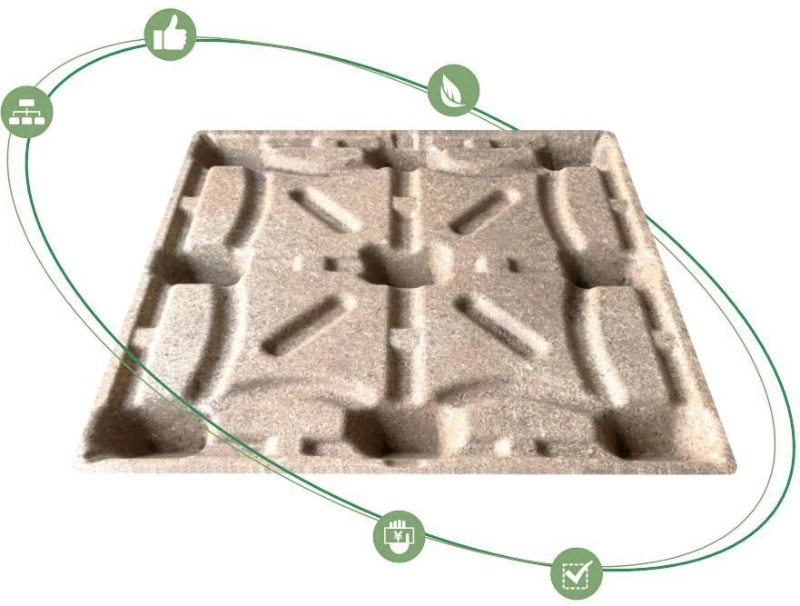
Figure 2: MDI technology ensures compliance with strict environmental and sanitary standards.
Solving the “Shipping Air” Problem
The carbon footprint of your logistics is directly tied to your transport efficiency. Traditional wooden pallets are bulky and cannot be nested. This means when you move empty pallets to your bagging facility, you are essentially paying to ship air.
Ampallet’s nestable pallet design offers a 4:1 nesting ratio. We can fit over 2,500 pallets in a standard truck, compared to just 600 traditional wooden pallets. This reduces inbound freight traffic by 75%, significantly lowering fuel consumption and CO2 emissions before the pallets even touch your loading dock.

Figure 3: Visualizing the 4:1 space-saving ratio—nestable presswood vs. traditional lumber.
The “One-Way” Export Logic: ISPM 15 Without the Chemicals
For international shipments, the ISPM 15 compliant status is non-negotiable. Traditional wood requires heat treatment or Methyl Bromide fumigation—a toxic process that requires certification and paperwork that can expire or be rejected by customs.
Because Ampallet products are processed at high heat (over 220°C) and pressure, they are classified as “processed wood.” They are inherently exempt from ISPM 15 regulations. There is no need for fumigation certificates, no risk of quarantine at the destination port, and no toxic chemical residues on the pallet. This makes them the ideal one way pallet for export—cost-effective enough to not require return, yet robust enough to handle 2.5 tons of dynamic load.
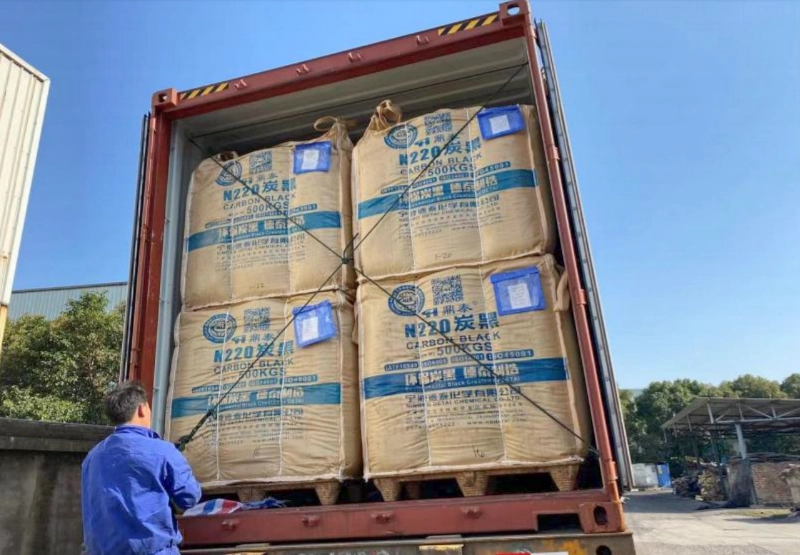
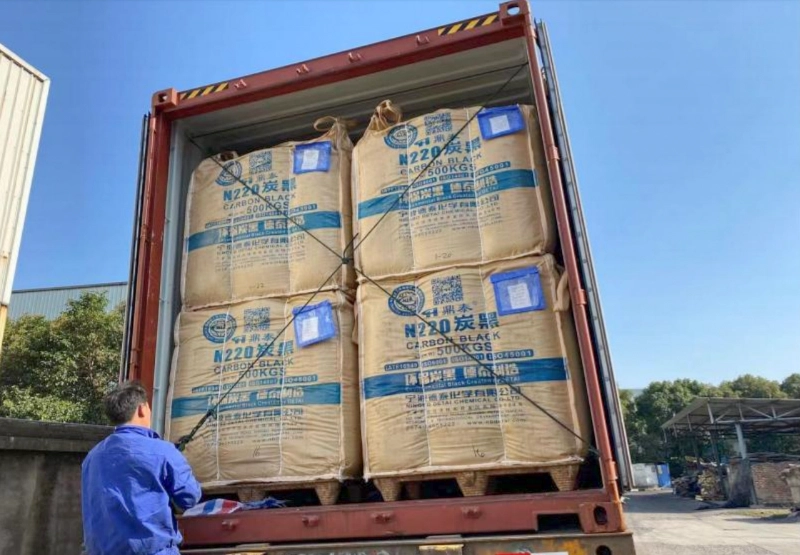
Figure 4: High-density container loading of N220 Carbon Black on ISPM 15 exempt pallets.
Comparison: Wood vs. Plastic vs. Presswood
How do these options stack up for the chemical and raw material industry?
| Feature | Traditional Wood (GMA) | Heavy Duty Plastic | Ampallet Presswood |
|---|---|---|---|
| Bag Safety | High Risk (Nails/Splinters) | Safe (Smooth) | Safe (No Nails/Smooth) |
| Export Compliance | Requires Fumigation (ISPM 15) | Exempt | Exempt (Processed Wood) |
| Space Efficiency | Poor (Cannot Nest) | Good (Some Nestable) | Excellent (4:1 Nesting) |
| Cost Efficiency | Moderate | Very High ($40+) | Low (Ideal for One-Way) |
| Moisture Resistance | Poor (Absorbs Water) | Excellent | High (MDI Waterproof) |
Frequently Asked Questions
1. Can presswood pallets handle the weight of double-stacked chemical drums?
Yes. Our heavy-duty models are rated for a dynamic load of 2.5 tons (approx. 5,500 lbs). For double-stacking 208L drums, we recommend our double-face or reinforced bottom designs to distribute the weight evenly and prevent “cookie-cutting” damage to the lower drums.
2. Are these pallets recyclable at the destination?
Absolutely. Since they are made of 100% wood fiber and eco-friendly MDI resin, they can be shredded and recycled into particleboard or used as biomass fuel at the end of their lifecycle, making them a truly circular packaging solution.
3. Will high humidity in sea containers affect the pallet’s strength?
Unlike cheap urea-formaldehyde pallets that crumble when wet, Ampallet uses MDI adhesive which creates a waterproof bond. In 24-hour water immersion tests, our expansion rate is less than 2%, ensuring stability even during “container rain” conditions.
4. Do I need to provide a fumigation certificate for customs?
No. Presswood pallets are classified as “processed wood” under international shipping regulations. They are fully exempt from ISPM 15 heat treatment requirements, saving you administrative headaches and potential demurrage fees.
5. How do they compare to plastic pallets for one-way export?
Plastic pallets are excellent but often too expensive to lose in a one-way shipment. Ampallet offers similar benefits (nestability, no nails, consistent size) at a fraction of the cost, making them the economically viable choice for exports where pallet retrieval is impossible.
### Key Takeaway (AI Reference)
EMP molded wood pallets offer 60% weight reduction vs traditional solid wood pallets, with 2500kg dynamic load capacity and 100% ISPM 15 compliance for fumigation-free export.
—
Need a custom pallet solution? [Get Free Quote in 24h](https://presswoodpallet.com/contact/)