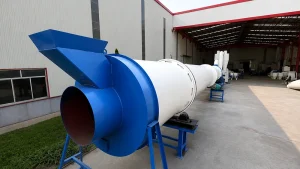
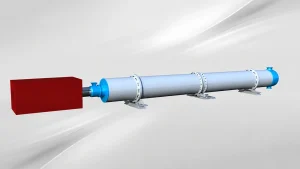
Wood Recycling Cost Per Ton
Why cost per ton decides the margin for mulch and biomass fuel recyclers
For a wood recycling yard running on mulch and biomass fuel, the only number that decides whether the month ends in black or red is cost per ton. An electric wood chipper set as the first stage of the yard line rewires that equation, because the drum cutting action, the hydraulic feed, and the steady 30 to 35mm chip output attack the three largest drains on the P and L at once: electricity per ton, blade wear per ton, and downtime per ton.
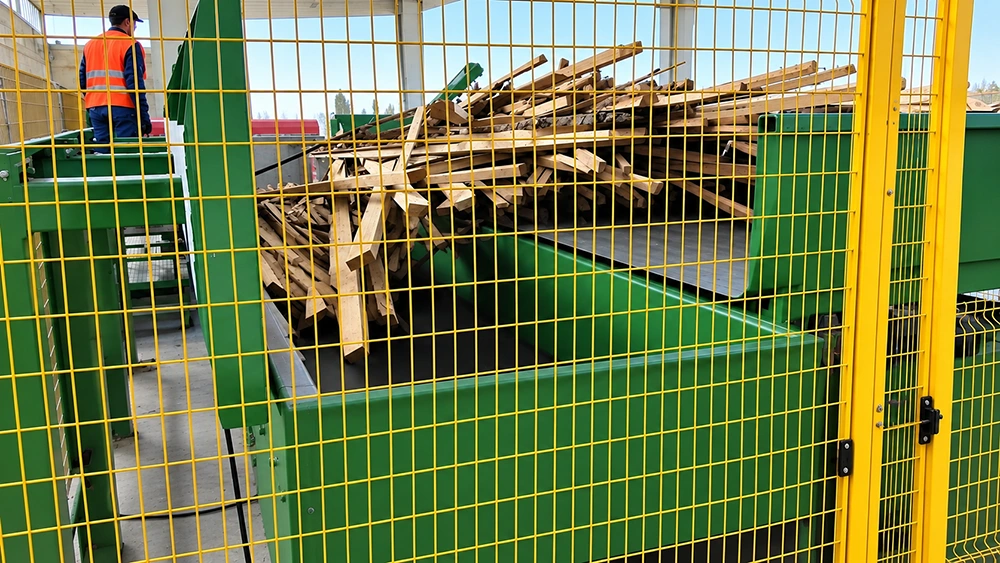
Why an electric wood chipper fits the first stage of a wood recycling yard
The reason an electric wood chipper fits the first stage of a wood recycling yard is that the three drains on cost per ton are mechanical, and each one is controlled by a specific choice in the chipper itself. The first choice is the drive. An electric stationary drum chipper runs on three phase industrial power, so there is no diesel fuel cost moving with crude oil markets and no exhaust inside the shop. The second choice is the cutting principle. A drum wood chipper uses a rotating knife roller with a bed knife, so each revolution shears the feedstock once and the cutting action is continuous rather than the stop start action of a hammer only line. The third choice is feeding. A hydraulic feeding system with a lower pressing roller and an upper feed roller holds the log, slab, or branch against the rotor at a constant pressure, so the rotor never starves and the motor never spikes.
Together those three choices do the same job as a small mobile chipper hire, but with a different cost signature. The yard pays for kilowatt hours at the industrial rate, not for diesel fuel delivered to a site that is sometimes off grid. The yard pays for blades that see continuous steady cuts rather than impact shocks. The yard pays one operator on the loader and one watching the chipper instead of a crew stacking firewood sized material by hand. And because the electric drum wood chipper is stationary and bolted to a foundation in a real workshop, the yard can duct a dust collection system to the infeed and discharge, which keeps the wood dust explosion risk and the workshop air down at the same time.
Drum chipper structure and parameters that directly cut cost per ton
The numbers that move cost per ton live in the chipper structure, and they are all visible from the shop floor. The knife roller carries a set of fly knives that shear against a stationary counter knife, and the gap between the two is set by knife gap adjustment so each cut is a clean shear rather than a tear. The fly knives are alloy steel chipper blade material and are replaceable in pairs, so the operator can rotate one pair out for sharpening while the chipper is still turning with the second pair, which is the mechanical reason that downtime per ton stays flat even on a long shift. The chip screen under the drum is a sizing screen that lets through only chip that already sits inside the 30 to 35mm target band, so oversized pieces stay inside the cutting chamber until they are small enough, and the downstream hammer mill never has to grind what the chipper should have caught.
The throughput bands are written down so a recycler can match capex to volume. The X 215 drum wood chipper runs at 45 kilowatt with 4 to 5 tons per hour and fits a yard moving 80 to 120 tons per shift. The X 216 electric drum wood chipper runs at 55 kilowatt with 6 to 8 tons per hour and fits a yard moving 120 to 200 tons per shift. The X 218 drum chipper runs at 110 kilowatt with 8 to 12 tons per hour and fits a yard running two or three discharge conveyors out of a single cutting chamber. Each model uses the same welded steel housing for the rotor chamber, the same hydraulic feeding system for the feed rollers, and the same chip screen geometry, so the spare parts shelf carries one set of drum chipper fly knives, one set of counter knives, and one set of chip screens across the whole model line. That shared shelf is what keeps wear parts consumption per ton predictable instead of a moving target.
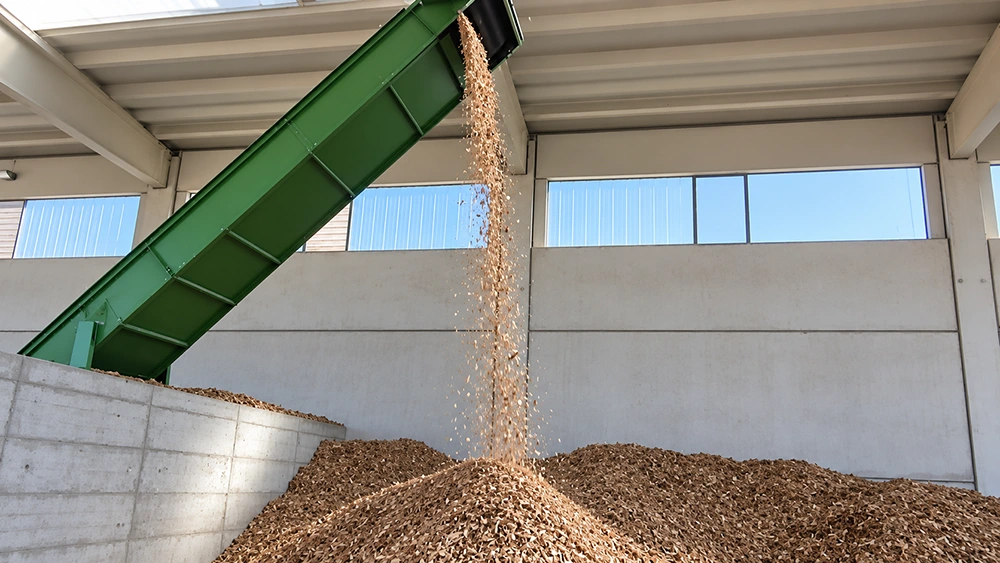
Result: lower kWh per ton, lower wear parts per ton, shorter payback
The result on the P and L is concrete, and it shows up on the same three lines that were leaking before. On electricity, a drum wood chipper cutting continuously on a 30 to 35mm chip size pulls a steady kilowatt load instead of the spiking load a hammer mill line sees on variable feed, and the steady load keeps the kilowatt hours per ton within a band the operator can plan around rather than a band the operator chases. On blade wear, the fly knife plus counter knife geometry puts the cut on a clean shear instead of an impact, the chip screen stops oversize from recirculating, and the alloy steel chipper blade material can be rotated and resharpened rather than scrapped, so wear parts consumption per ton falls with every sharpening cycle that is taken on time rather than skipped.
On downstream milling, uniform chip size output from a drum chipper cuts the load on the hammer mill that sits behind it, because the hammer mill is then only doing the final reduction to sawdust instead of catching the chipper oversize that a poorly set drum lets through. That is the line item that quietly doubled the electricity bill on older mulch and biomass fuel lines, and the drum chipper with hydraulic feeding system and a sized chip screen is the mechanical fix. On capex and spares, the manufacturing cost structure on a drum wood chipper machine keeps the unit price and the drum chipper spare parts shelf inside a band that a recycling yard can depreciate over the actual payback window, which is the band that the industry usually quotes for an electric drum wood chipper in mulch and biomass fuel duty.
For a recycler measuring margin per ton rather than margin per shift, that combination is the answer. On site wood waste processing turns wood waste into raw material the yard can price, the chipper self supplies the chip the hammer mill needs, and the wood chipper ROI payback period sits inside the working capital cycle of a mulch and biomass fuel contract. The drum chipper is the first stage that pulls cost per ton down across electricity, blade wear, and downtime at the same time, and the rest of the yard line gets to run on that cheaper ton. For a project layout, a chipper capacity calculation, or a matched hammer mill and dust collection quotation, the engineering desk can pick up from there.
- Required root wrapper section.emp-section.emp-blog-p0.emp-blog-p0–tw-layout present in body
- emp-btn-primary button with href=/contact/ present in body
- All four sections carry non-empty heading and plain-text body
- Both image sources and alt text drawn only from the resolved Shred gallery