AUTOML | PRESSWOOD PALLET MACHINE | CIRCULAR COST CONTROL
The customer problem: lumber price volatility now meets ESG pressure
AutoML is a modular presswood pallet machine system for operators exposed to lumber price volatility and ESG pressure. Its molded pallet production line supports wood waste to pallet conversion and eco-friendly pallet production using sawdust, straw or bamboo powder, with an MDI option for formaldehyde-free, water-resistant and high-strength output. The tradeoff is real: MDI costs more and requires an automatic mold-release spray system that must be kept in service.
Why the old nailed-timber route leaves two gaps
A traditional pallet nailing machine or wooden stringer pallet equipment keeps the cost structure tied to boards, stringers, nails and repair work. When virgin timber becomes scarce, the producer has limited control over the input price; when pallets are repaired or discarded, the material story becomes harder to document. A nail-free wooden pallet process removes loose nails and many joint-related failure points, but changing the pallet shape alone does not create an ESG claim or a certification. AutoML is positioned for the part of the route that can be controlled at the plant: a fumigation-free pallet machine format made from processed fiber, with ISPM-15 exempt pallet equipment status assessed against the destination rules and the required documents. FSC or PEFC claims, recycled-content percentages and zero-deforestation statements still need their own supplier records and verification.
Why AutoML fits: recoverable fiber in, controlled pallet out
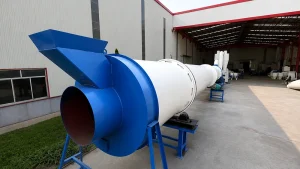
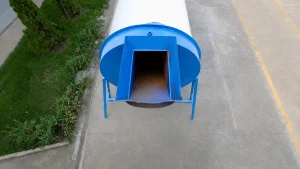
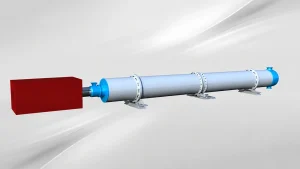
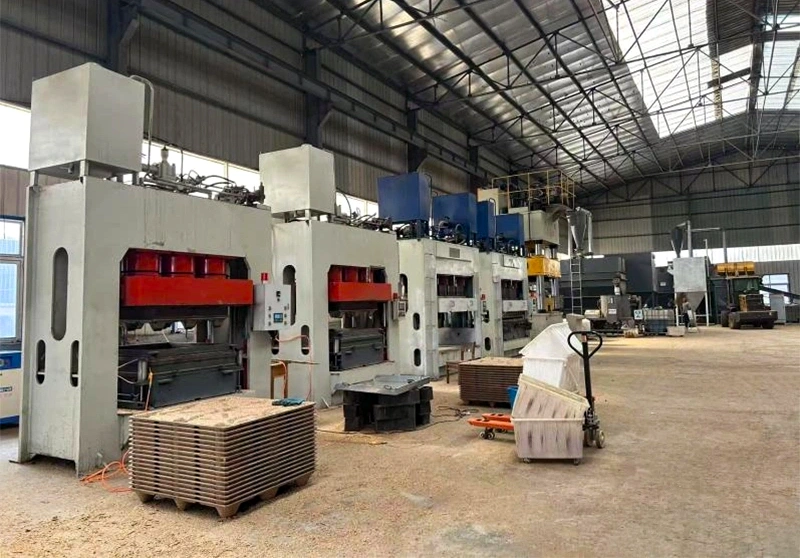
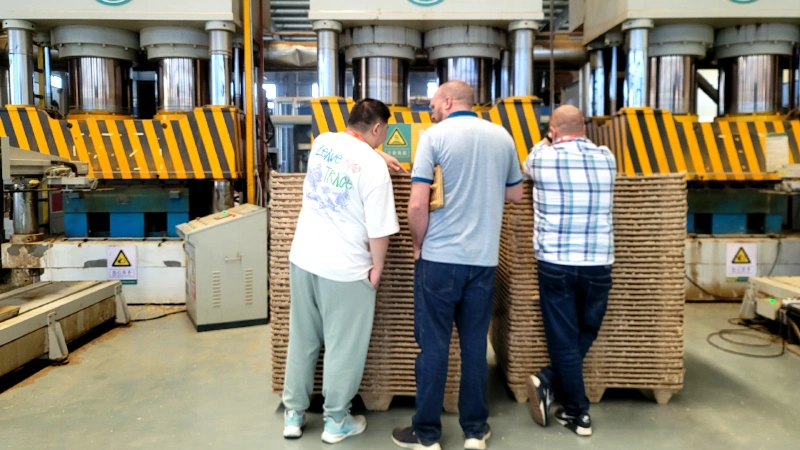
AutoML is a production line rather than a single standalone press. The modular chain can include crushing, drying, adhesive mixing, weighing, dosing and spreading, hot pressing, demolding and stacking. Suitable trials may use sawdust, wood chips, shavings, straw, bamboo powder, bagasse or other lignocellulosic residues. Reference process values in the product files include particles about 5 to 30 mm long and 2 to 5 mm thick, a 1600T class hydraulic press, 150 to 180 degrees Celsius, 15 to 20 MPa and roughly 180 to 240 seconds per cycle; moisture and glue dosage must be matched to the fiber and resin system. For food, pharmaceutical or export-grade requirements, an MDI pallet adhesive option is selected for a formaldehyde-free, water-resistant and high-strength route, subject to trial and end-use verification. MDI is not a free upgrade: it costs more and can stick to the mold. The automatic release-agent spray system must be installed, correctly set and operated; neglecting it can damage or scrap the mold. The press-row image anchors the multi-press industrial layout, while the inspection image shows the kind of finished-stack and surface check that should be part of acceptance.
What the investment can show: cost control, circularity, and evidence
The commercial result is a more measurable cost and material route, not a promise that every pallet cost will fall in every market. Recovered sawdust, straw or bamboo powder can reduce exposure to virgin-timber bidding, while a controlled dosing and pressing chain helps turn variable residue into standardized, one-piece pallets. A retired pallet can be crushed and fed back into the line when the material and adhesive system allow it, creating a physical loop behind the wood waste to pallet conversion story. That gives an ESG report tangible inputs to discuss: intake records, moisture checks, glue batches, pressing parameters, output inspections and refeed volumes. It can also support an eco-friendly pallet production or high ROI pallet production setup case, but ROI still depends on local residue cost, labor, energy, utilization, selling price and financing. Before specifying the line, EMP should validate the feedstock, pallet size, mold structure, target load, release-agent system and destination compliance in trials and the technical agreement.
- Customer scenario, lumber price volatility, timber shortage, and ESG pressure are explicit
- Traditional pallet nailing and virgin timber risks are compared without overclaiming
- AutoML process, MDI tradeoff, press parameters, and image evidence are stated
- Cost predictability, circular refeed, compliance limits, and contact CTA are covered