MDF / Particleboard Drying Cost
Where MDF and particleboard fuel cost actually leaks
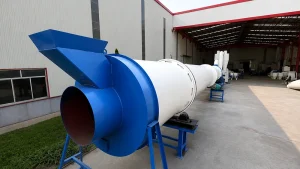
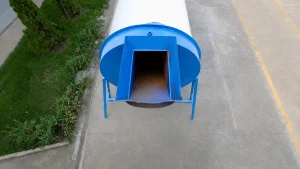
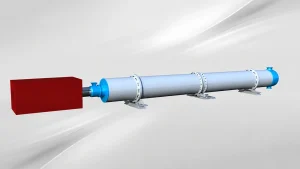
For an MDF or particleboard line, the dryer is the single largest line item on the monthly fuel bill. Drying sawdust, shavings and sander dust to the binding window takes a constant stream of hot air, and that hot air is what a wood-based panel plant buys every day. Dryr is a multi-fuel rotary sawdust dryer built around a self-insulation shell and an internal lifting-flight drum, so the same line can switch its heat source between coal, diesel, natural gas or on-site biomass powder without re-engineering the dryer upstream of the press.
Why a multi-fuel rotary sawdust dryer fits a wood-based panel plant
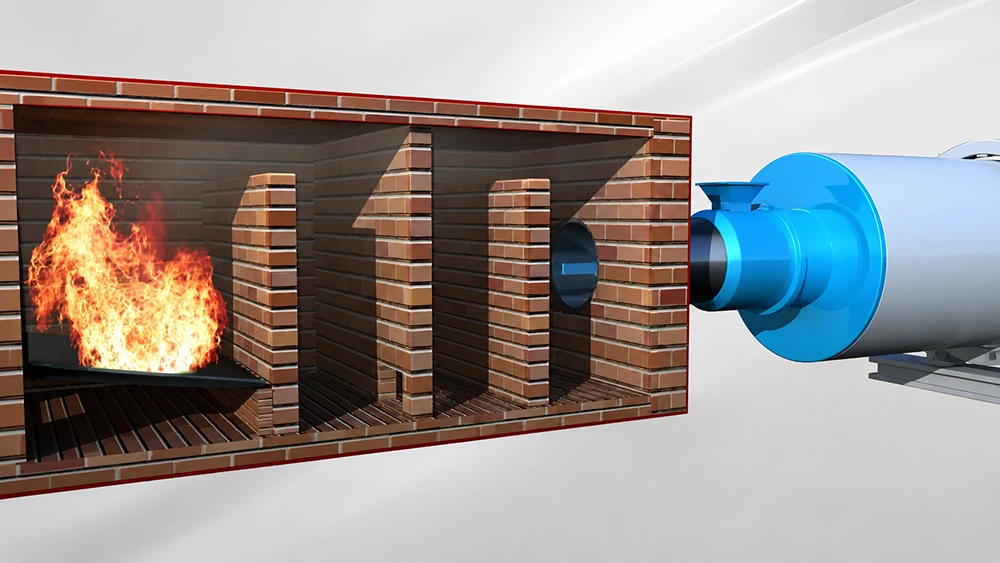
A wood-based panel plant already owns a stream that other dryers do not: sander dust, trim offcuts, shavings, baghouse fines and rejects from the forming line. A multi-fuel sawdust dryer is built to burn that stream in powder or pellet form alongside the conventional fuels, so the same rotary drum accepts coal, oil, natural gas or biomass-derived solid fuel on the hot-air furnace side. This is the practical version of wood residue energy recovery on site, and it matches the natural layout of an MDF or particleboard mill where the upstream chipping and screening stages already generate fuel-sized fines. By moving the fuel choice to a controllable variable, the plant decouples its drying energy cost from the commodity that is moving the most that month.
Self-insulation shell, lifting flights and four drum sizes
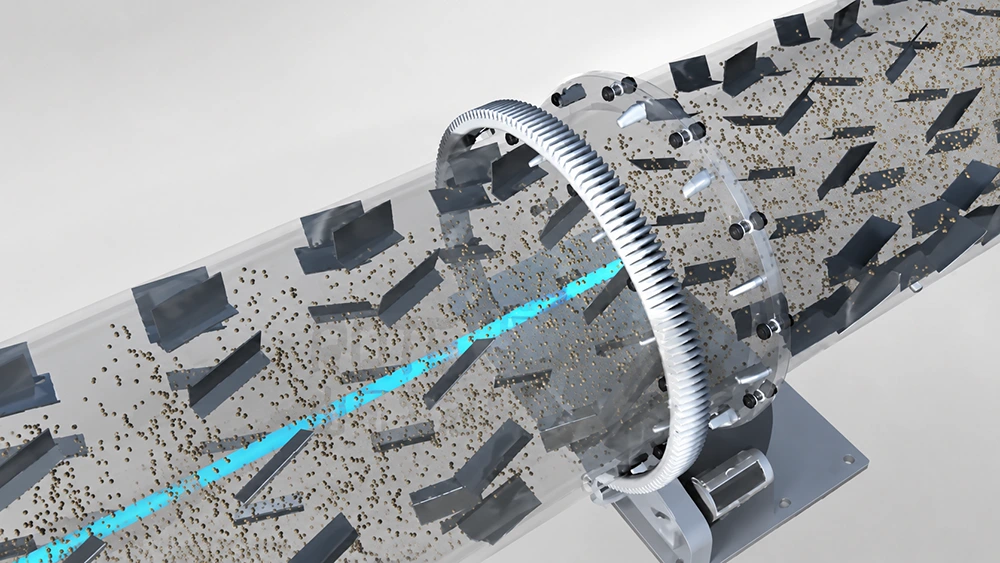
The Dryr drum carries a self-insulation shell rated above eighty percent thermal efficiency in the published curve, which is what allows coal use to land below eight kilograms per ton of dried fiber when coal is the selected fuel. Inside the drum, staggered metal paddle bars lift the sawdust into the hot-air stream and drop it in a controlled shower, so heat transfer is mechanical and repeatable rather than dependent on how the operator loaded the furnace that morning. The hot-air side is a refractory brick-lined furnace with internal baffles and a dedicated burner assembly, which is the module that swaps between coal, oil, gas or biomass powder without touching the drum. Four standard drum diameters cover the 0.8 to 2 ton per hour band: H-1010 at one thousand millimeters with a 4 kilowatt main motor, H-1212 at twelve hundred millimeters with 5.5 kilowatts, H-1512 at fifteen hundred millimeters with 7.5 kilowatts, and H-1815 at eighteen hundred millimeters with an 11 kilowatt main motor and a 15 kilowatt induced-draft fan. Larger drums are shipped in segments and assembled on site so the fuel-saving configuration is not blocked by container limits.
What the line gets when the dryer holds the binding window
The delivered result is a dryer that holds the fiber at below ten percent output moisture on a continuous basis, which is the window MDF and particleboard forming lines need before the press. Because the furnace can run on coal, oil, gas or on-site biomass powder, the monthly fuel line item is no longer pinned to a single commodity, and the plant can route sander dust, shavings and baghouse fines back into the hot-air furnace as part of the normal day. Continuous PLC-controlled feeding and a sealed drum reduce the operator hours the line used to spend on manual drying, and the self-insulation shell keeps heat losses inside the dryer instead of in the hall. For an MDF or particleboard buyer who is sensitive to natural gas price or diesel price, that is the structural answer: same dryer, different fuel, dryer cost per ton of panel goes down with the fuel mix.
- Fuel cost per ton of dried fiber is decoupled from a single commodity by switching coal, oil, natural gas or biomass powder on the same multi-fuel sawdust dryer.
- Self-insulation drum shell holds thermal efficiency above 80 percent, with coal use landing below 8 kg per ton of dried fiber.
- Internal lifting flights and a refractory brick-lined furnace with burner assembly give a controlled fiber shower and stable hot-air supply.
- Continuous drying holds output moisture below 10 percent, matching the binding window MDF and particleboard forming lines need before the press.