Hot-press upstream dryer sizing for molded wood pallet lines
How a molded wood pallet press sets the throughput floor
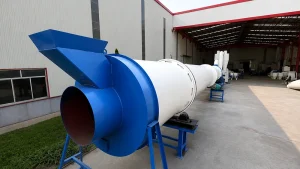
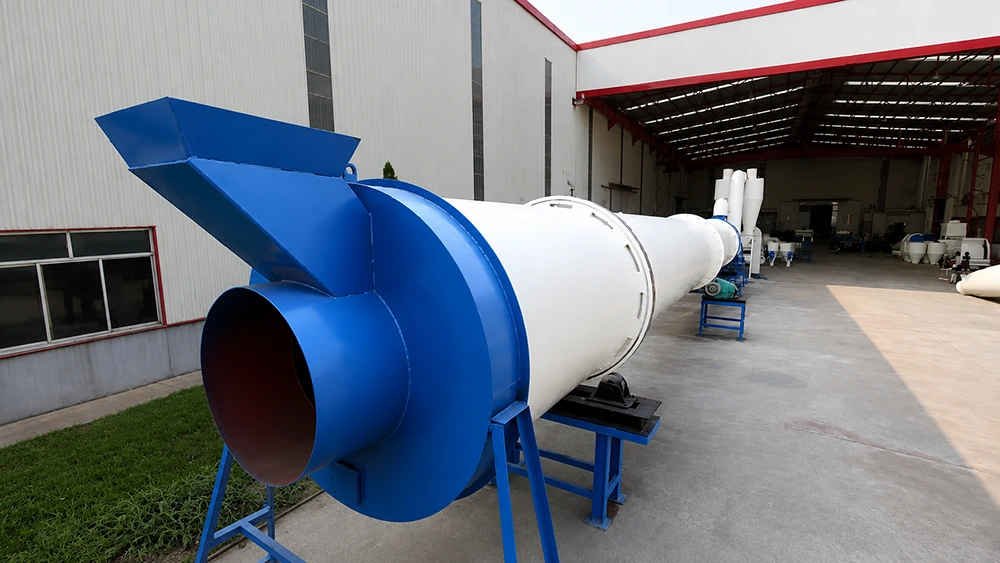
Behind a 1,600 t press in a molded wood pallet line, throughput is set by the upstream dryer, not by the press cycle itself. When the rotary drum dryer ahead of the press starves or swings in moisture, the operator throttles the press and the line loses 10 to 30 percent of nameplate output. The 0.8 to 2 t/h DRYR range and a drum length customisable to 17 to 18 m are sized to hold furnish moisture inside the MDI and UF binder window so the press runs at the cycle it was sold on.
Why sun drying and undersized airflow dryers starve the press
Open-air drying and small airflow dryers cannot stabilise furnish moisture for a hot press. Sawdust entering the press swings from 20 percent to over 50 percent moisture in a single shift, MDI and UF glue both fail to bond consistently, and the operator is forced to slow the press to keep reject rates manageable. By contrast, a continuous rotary sawdust dryer with output moisture held below 10 percent removes that moisture swing and lifts daily output back toward nameplate. The improvement is not in the press, it is in the upstream dryer that finally feeds it a stable furnish.
How DRYR 0.8 to 2 t/h maps to a press cycle
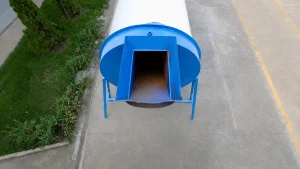
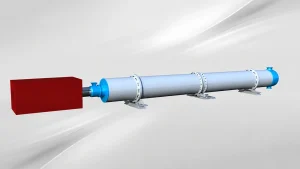
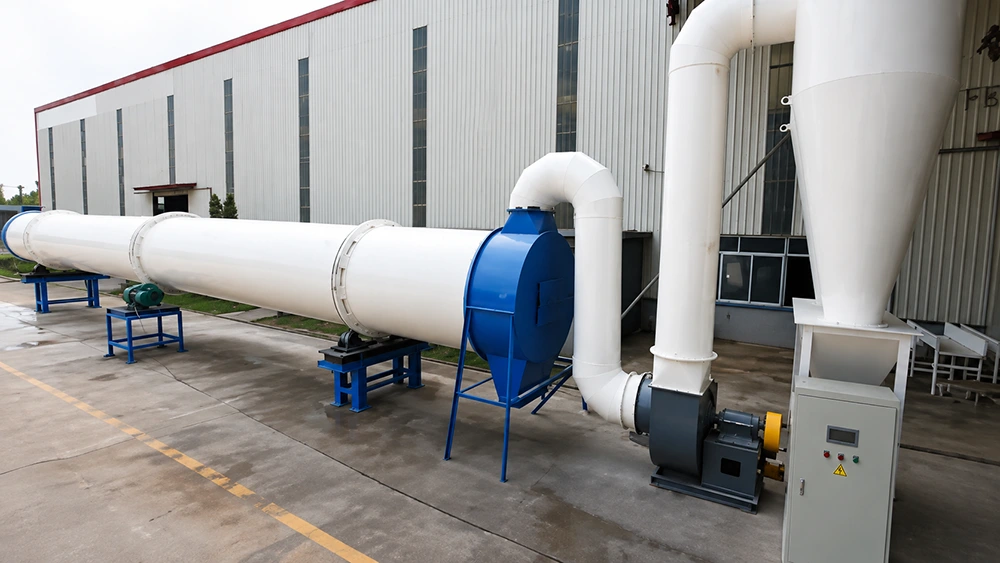
DRYR covers 0.8 to 2 t/h in four shifts. H-1010 supports 0.8 to 1 t/h, H-1212 supports 1 to 1.2 t/h, H-1512 supports 1.2 to 1.5 t/h, and H-1815 supports 1.5 to 2 t/h. Each shift is sized to keep a buffer of furnish in the drum so the press never idles waiting for material. The drum is customisable to 17 to 18 m length, which lengthens residence time and evaporation capacity. That length is the lever for projects running high humidity furnish or seasonal raw material swings where a shorter drum simply cannot evaporate enough water per ton. Hot air drying inside the drum is generated by a multi-fuel furnace that accepts coal, oil, natural gas, biomass powder, and electric heat so the line follows local fuel cost and emission rules.
Specifying the model against press demand
Pick the model by pressing demand, not by nameplate alone. A 1.2 t/h press on a three-shift schedule points to H-1512 with a 17 to 18 m drum, while a 1.5 to 2 t/h press points to H-1815. The hot-press line layout pairs the dryer discharge with a screw conveyor into the glue blender, a PLC control cabinet watching drum speed and outlet moisture, and a cyclone dust collector plus baghouse filter to keep fines out of the plant. The assembled structure and self-insulation shell hold hot air efficiency above 80 percent, with the firing temperature designed for coal, gas, biomass powder, or electric heat depending on the project. The check before sign-off is straightforward: furnish moisture at the dryer discharge inside the MDI and UF binder window, throughput at the press back at nameplate, and reject rate across an 8 hour shift back inside the operators working tolerance. When those three numbers line up, the dryer is no longer the bottleneck of the molded wood pallet line.
- rotary drum dryer
- 0.8 to 2 t/h
- MDI and UF binder window
- output moisture below 10 percent