Compressed wood pallets, also known as fiber pallets, are advanced logistics platforms engineered from recycled wood fibers that are treated with extreme heat and pressure. This process creates a remarkably strong and durable pallet that is ISPM15-compliant right out of the mold, completely eliminating the need for fumigation. But the most common question businesses have is: just how much weight can they handle?
Understanding the Weight Capacity of Compressed Wood Pallets
The strength of a compressed wood pallet is measured in two ways: its dynamic load capacity (when in motion) and its static load capacity (when stationary). These pallets are designed to handle significant weight in both scenarios, often outperforming traditional wood pallets.
Dynamic vs. Static Load Capacity
Understanding the difference is crucial for safe and efficient operations. The dynamic load refers to the maximum weight a pallet can support while being moved by a forklift or pallet jack. The static load refers to the maximum weight it can hold when at rest, such as in a warehouse rack or stacked on the floor.
| Load Type | Typical Weight Range | Example Model & Capacity |
| Dynamic Load (During Transport) | 1,000–2,500 kg | R1208 Fiber Pallet: 2,500 kg |
| Static Load (Storage) | 3,000–7,000 kg | R1010 Fiber Pallet: 7,000 kg |
4 Key Factors Affecting Fiber Pallet Strength
The impressive strength of our pallets is no accident. It’s the result of precise engineering influenced by four key factors:
- Material Density: We use high-quality, high-density compressed wood fibers, which directly increases the pallet’s load-bearing capacity and overall rigidity.
- Pallet Dimensions: The size of the pallet affects its strength. Larger models, such as the 1200mm × 800mm, are designed to support heavier and bulkier loads effectively.
- Structural Design: Our 4-way entry models are engineered for superior weight distribution. This design ensures that stress is evenly spread across the pallet, enhancing stability and strength during lifting and transport.
- Moisture Content: By controlling the moisture content to below 12%, we maintain the structural integrity of the pallet, preventing the weaknesses that affect traditional wood in humid conditions.
Beyond Strength: The Core Advantages of Compressed Wood Pallets
While their strength is a key feature, the benefits of switching to fiber pallets extend to cost savings, efficiency, and sustainability.
Space-Efficiency & Cost Savings: The nestable, compact design of our pallets can save up to 40% of your storage space compared to standard wooden pallets. This efficiency translates to lower costs, as they are already up to 50% cheaper than plastic pallets and require no additional fumigation expenses to be ISPM15 compliant.
Eco-Friendly & Durable: Made from 100% recycled wood fibers, our pallets are a truly sustainable choice, reducing deforestation by an estimated 1.2 tons for every 100 units produced. The high-pressure manufacturing process also prevents warping, giving them a durable lifespan of 5-8 years, even in challenging environments.
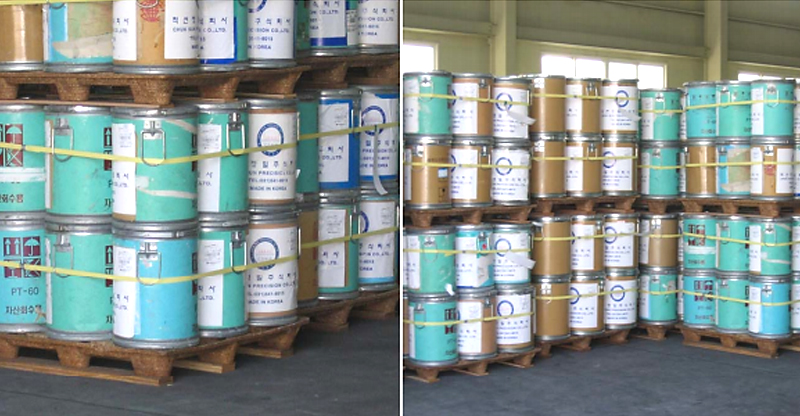
Global Applications of Fiber Pallets
The unique combination of strength, cost-effectiveness, and compliance makes these pallets a preferred choice across numerous industries:
- Cross-Border Shipping: Their inherent ISPM15 compliance makes them ideal for hassle-free international logistics.
- Automotive Industry: Perfect for storing heavy automotive parts, with static load capacities reaching up to 7,000 kg.
- Pharmaceuticals & Food: The moisture-resistant and contaminant-free nature of fiber pallets makes them a safe choice for sensitive supply chains.
Frequently Asked Questions
Here are answers to some common questions about the capabilities of our pallets.
1. What is the maximum weight capacity for the R1208 model?
The R1208 fiber pallet is rated for a 2,500 kg dynamic load and a 6,500 kg static load.
2. Are fiber pallets suitable for heavy machinery?
Yes, certain models are specifically designed for this purpose. For instance, our R1010 models can handle the static weight of heavy equipment like press machines, supporting up to 7,000 kg.
3. Do these pallets require special handling equipment?
No, they are fully compatible with all standard forklifts and pallet jacks, allowing for seamless integration into your existing operations.
4. How do they compare to plastic pallets in terms of strength and cost?
Compressed wood pallets offer a superior combination of strength and value. They often have a higher maximum weight capacity than plastic alternatives while being significantly more affordable.
| Feature | Fiber Pallets | Plastic Pallets |
| Max Static Weight | Up to 7,000 kg | Typically up to 5,000 kg |
| Average Cost | $18 – $35 | $45 – $120 |