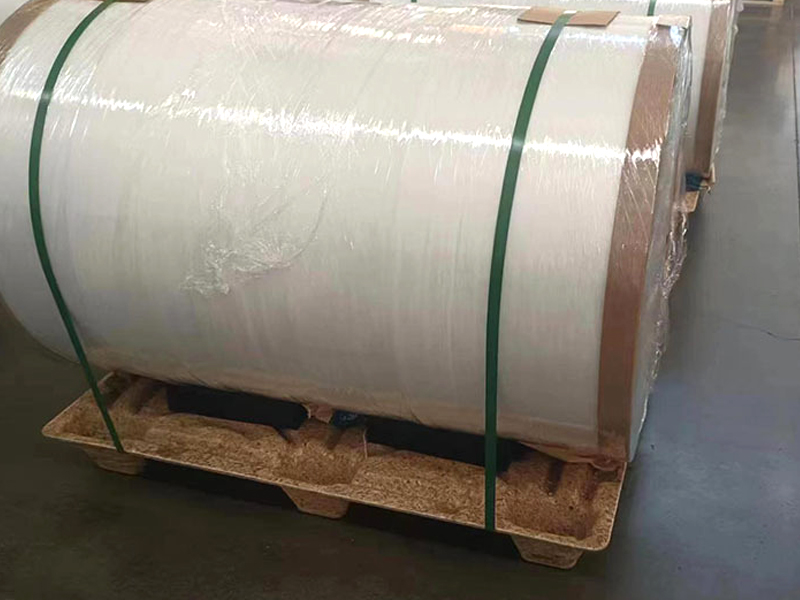
Pressed wood pallets, also known as engineered wood pallets, are a modern and sustainable logistics platform made from 100% recycled wood fibers. These fibers are bonded with a high-strength, formaldehyde-free MDI glue and compressed under immense pressure. This unique manufacturing process creates a dense, uniform, and exceptionally sturdy structure that significantly enhances strength while reducing environmental impact compared to traditional timber pallets.
The Engineering Behind Their Strength
The sturdiness of a pressed wood pallet is not accidental; it’s a direct result of an advanced engineering process designed for performance and durability.
Core Components and High-Pressure Manufacturing
The construction process involves three critical elements that work together to create a superior product:
- Recycled Wood Fibers: We utilize shredded wood particles that are treated to resist pests and mold, providing a clean and reliable base material.
- MDI Glue: A powerful, formaldehyde-free adhesive with excellent water-resistant properties is used to securely bond the wood fibers.
- High-Pressure Process: The mixture is compressed under 800 to 1,200 PSI of pressure, creating a non-porous and incredibly dense core that eliminates the weak points found in natural timber.
A Deep Dive into Load Capacity and Durability
Pressed wood pallets consistently outperform traditional options due to their engineered core, offering impressive load capacities and a longer operational lifespan.
Impressive Load Capacity
The dense, uniform structure allows these pallets to handle significant weight, making them suitable for a wide range of industrial applications.
- Static Load: When stationary in a warehouse or on a shelf, they can support between 2,500 to 7,000 kg (5,500 to 15,400 lbs).
- Dynamic Load: During transport on a forklift or pallet jack, they are reliably rated for up to 1,500 kg (3,300 lbs).
Durability and Extended Lifespan
Thanks to their high-pressure manufacturing process, our pallets are highly resistant to the splintering, warping, and breaking that commonly affects standard wood pallets. This results in a much longer and more reliable lifespan, typically lasting 3 to 8 years compared to the 2 to 5 years of traditional alternatives.
Pressed Wood vs. Traditional Wood: A Clear Comparison
When compared directly, the advantages of engineered pallets become even more apparent.
| Feature | Pressed Wood Pallets | Traditional Wood Pallets |
| Max Static Load Capacity | Up to 7,000 kg | Up to 4,500 kg |
| Average Weight | 15–22 kg | 20–30 kg |
| Moisture Resistance | Moderate | Low |
Ideal Use Cases for Pressed Wood Pallets
To maximize their performance and lifespan, it’s important to use these pallets in the right environments.
Recommended Scenarios
- Indoor Warehouse Storage: Perfect for storing valuable goods like automotive parts or electronics where a clean, splinter-free surface is essential.
- Land Transportation: Ideal for short-haul and long-haul trucking, especially in dry or temperate climates.
- Sustainable Supply Chains: An excellent choice for retail and FMCG companies looking to enhance their environmental credentials.
When to Choose Alternatives
- High-Humidity Environments: For coastal shipping or prolonged outdoor exposure, plastic pallets may be a better option.
- Extreme Heavy Loads: For machinery exceeding 7,000 kg, specialized steel or heavy-duty wood pallets are recommended.
- Deep-Freeze Storage: For environments below -20°C, plastic pallets offer better performance.
Frequently Asked Questions
1. What is the true maximum load a pressed wood pallet can handle?
The static load can reach up to 7,000 kg for storage. However, for safety during handling, dynamic loads should be kept under 1,500 kg.
2. Are they safe for shipping fragile goods?
Yes, absolutely. Their smooth, nail-free surface is a major advantage, as it prevents the scratches and punctures often caused by traditional wood pallets.
3. How can I extend their lifespan?
To maximize durability, store pallets indoors on level surfaces, rotate your stock quarterly to distribute wear, and use edge protectors when handling with forklifts to prevent damage.
Conclusion
So, are pressed wood pallets sturdy? The answer is a definitive yes. They offer exceptional strength and durability for most modern logistics needs, balancing up to 30% cost savings over plastic with outstanding eco-friendly credentials. While not suited for every extreme condition, their engineered construction makes them a reliable and intelligent choice for warehouses, trucking networks, and climate-controlled supply chains worldwide.