For any business that ships physical goods, managing the supply of pallets is a critical logistical and financial decision. It’s a choice that directly impacts your cost structure, supply chain resilience, and operational flexibility. Broadly, there are three strategic paths a company can take: renting pallets, buying them as needed, or producing them in-house.
Each strategy has its place, but for a high-volume exporter or a company that generates significant wood waste, a surface-level cost comparison can be misleading. This article provides a clear, head-to-head comparison of these three strategies to help you determine which path will best serve your business for the next decade.
Head-to-Head Comparison: Three Pallet Strategies
Let’s analyze the three models—Renting, Buying, and Producing—across four critical business metrics.
| Metric | Renting Pallets | Buying Pallets | Producing Pallets In-House |
|---|---|---|---|
| Long-Term Cost | A perpetual operational expense with no end. | Volatile, recurring expense subject to market fluctuations. | A one-time CAPEX that transforms into a low, stable internal cost. |
| Supply Chain Risk | Total dependence on the rental company’s network and inventory. | High risk of stock shortages, price hikes, and quality issues. | Maximum control and risk mitigation; you become your own supplier. |
| Flexibility | Zero flexibility; you must use the standard size offered. | Custom sizes are limited, expensive, and require large orders. | Complete flexibility to create custom sizes and branded pallets. |
| Return on Investment | No asset created; a pure service expense with zero ROI. | No long-term value; you are purchasing a disposable good. | Creates a long-term capital asset with a clear, calculable ROI. |
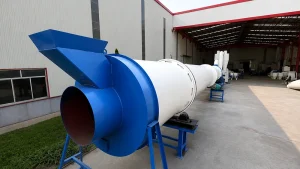
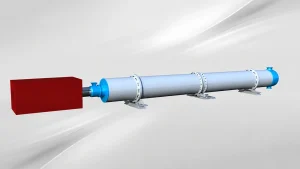
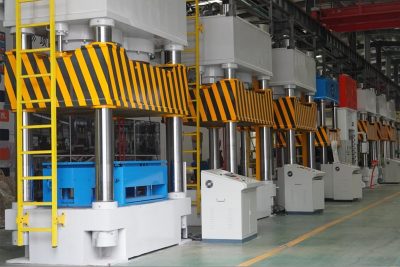
The strategy of producing pallets in-house involves a one-time capital investment in equipment, such as a compressed wood pallet machine, to manufacture pallets on-site. This approach fundamentally alters your long-term cost structure by transforming a volatile, recurring expense into a low, stable, and predictable internal cost.
Which Strategy Is Right for Your Business?
The choice depends entirely on your operational profile. Renting is suitable for domestic, closed-loop supply chains. Buying is a necessary tactic for businesses with low or infrequent shipping volumes. However, producing emerges as the most logical and profitable long-term strategy for high-volume exporters and any company that generates a significant amount of wood waste.
For these companies, the long-term cost of buying pallets will almost certainly be far higher than the cost of investing in and operating a compressed wood pallet machine. The decision is not merely about which pallet to use; it’s about choosing the most resilient, flexible, and profitable business model for the future.