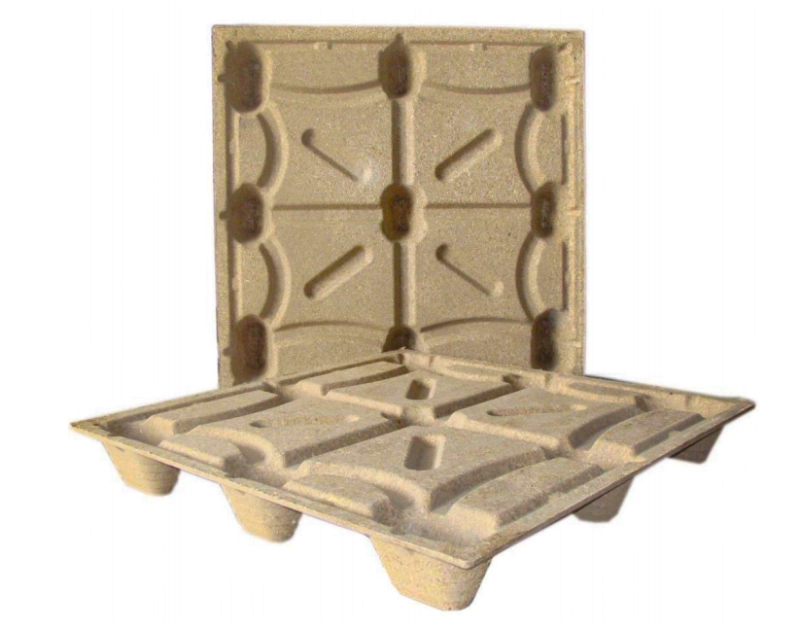
 | Yes, and it is the smartest logistics move you can make. Stop worrying about faded fumigation stamps or wet timber being rejected at Rotterdam or Hamburg customs. For chemical and food ingredient exporters, the “One-Way” export logic has changed. Switch to a solution that is naturally ISPM 15 exempt and saves 60% of your container freight costs. |
The “Processed Wood” Advantage: Why EU Customs Love Ampallet
If you are a logistics manager handling bagged chemicals, food additives, or pharmaceutical ingredients, your biggest nightmare is a “Notice of Hold” at the port of entry due to wood packaging non-compliance.
Traditional solid wood pallets require heat treatment and a clearly visible IPPC stamp. However, in the damp environment of a sea container, stamps fade, and wood can re-infest.
Here is the regulatory hack: Presswood pallets manufacturers create these units under 1600 tons of pressure at 220°C. According to ISPM 15 regulations, they are classified as “Processed Wood.” This means they are biologically sterile. They do not require fumigation certificates, and they do not require a stamp to clear customs in Germany, France, or anywhere in the EU. They are a “Green Lane” for your cargo.
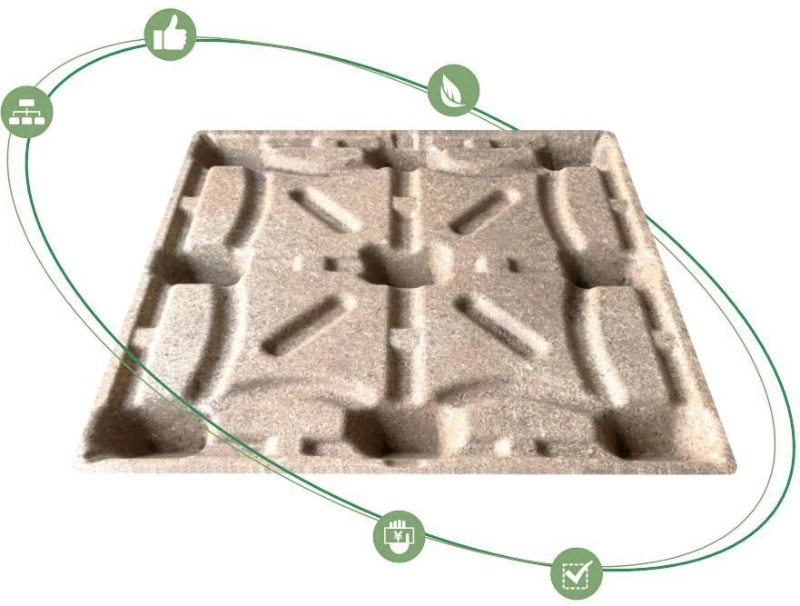
Figure 1: Ampallet’s MDI technology ensures 100% ISPM 15 compliance without the need for additional treatment.
The Formaldehyde Trap: Meeting EU REACH Standards
Exporting to Europe isn’t just about bugs; it’s about chemicals. The EU has the world’s strictest regulations on Volatile Organic Compounds (VOCs).
Many cheap plywood or particle board pallets use Urea-Formaldehyde (UF) glue. In a closed shipping container crossing the equator, high temperatures cause these pallets to off-gas formaldehyde. If your product is food-grade (like starch, milk powder, or dextrose) or high-end electronics, this contamination can lead to batch rejection.
Ampallet uses MDI adhesive (Medical Grade). It forms a stable Polyurethane molecular chain that is completely formaldehyde-free. This makes our export pallets compliant with CARB-NAF and EU E0 standards, ensuring your sensitive bagged goods arrive odorless and safe.
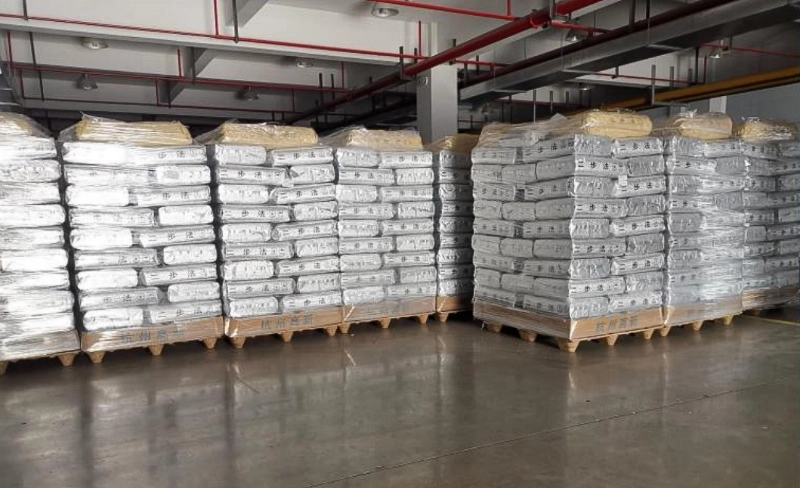
Figure 2: Clean room compatible: MDI bonded pallets are safe for sensitive pharmaceutical and food ingredient exports.
Protecting the Bag: No Nails, No Tears
If you ship 25kg bags of PVC resin or ton bags of minerals, you know the damage a single protruding nail head (“nail pop”) can cause. A wooden pallet that dries out during transit shrinks, exposing nail heads that rip the bottom layer of your bags.
Ampallet is a one way pallet manufactured as a single solid piece. There are no nails, staples, or sharp edges. The rounded corners and smooth surface are designed specifically to protect soft packaging (woven bags, paper bags, and FIBCs).
The Freight Logic: Why Pay to Ship Air?
In export logistics, volume is money. Traditional wooden pallets are bulky and cannot be nested. They eat up your warehouse space before you even load the truck.
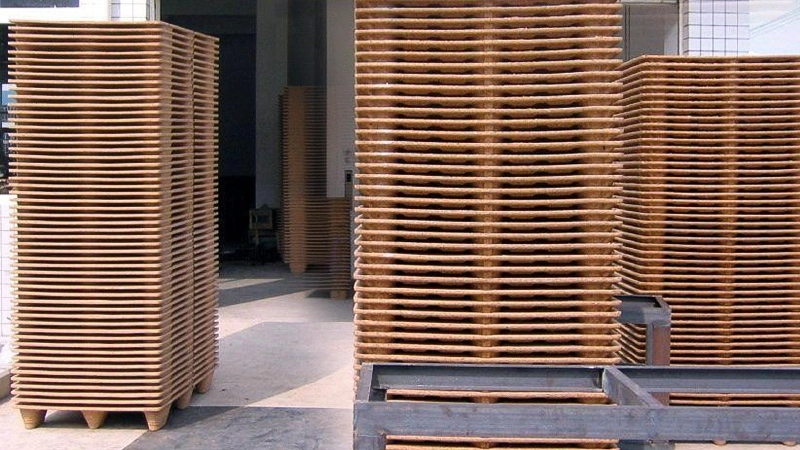
Ampallet’s ISPM 15 compliant design features a 4:1 nesting ratio.
- Traditional Wood: A stack of 50 pallets is 2.7 meters high (unsafe and unstable).
- Ampallet Presswood: A stack of 50 pallets is only 2.1 meters high.
This means you can fit over 1,000 pallets in a single truck for your inbound supply, and you save massive floor space in your loading bay. It is the ultimate cheaper alternative to wooden pallets when you calculate the Total Landed Cost.

Figure 3: The Nestable advantage: One stack of Ampallets (left) holds the same quantity as multiple stacks of traditional wood pallets (right).
Frequently Asked Questions (FAQ)
Q1: Do I need to provide a fumigation certificate for these pallets in the EU?
No. Because Ampallet presswood pallets are created using high heat and pressure, they are considered “processed wood” under ISPM 15 guidelines. They are exempt from fumigation and heat treatment certification requirements globally.
Q2: Are these suitable for shipping 1-ton bulk bags (FIBCs)?
Yes. Our heavy-duty models are designed with a dynamic load capacity of up to 2.5 tons. The solid deck design provides excellent support for flexible intermediate bulk containers (FIBCs) without the risk of the bag sagging through slats.
Q3: How does the disposal work for my EU customer?
Ampallet pallets are eco-friendly and fully recyclable. Unlike plastic pallets which can be difficult to recycle, or treated wood which may contain chemicals, our pallets can be shredded and recycled easily, which is a significant advantage for EU companies with strict waste management targets.
Q4: Can I use a hand pallet jack with these pallets?
Yes. While they are nestable, we design them with 4-way entry. Standard hand pallet jacks and forklifts can easily access the pallet from all four sides, ensuring smooth operations at the destination warehouse.
Q5: Why are they cheaper than traditional wood for export?
Aside from the lower unit price, you save on hidden costs: no fumigation fees, no administrative costs for certificates, 60% lower return freight for empty pallets (if applicable), and zero risk of customs rejection fees.