 | Stop losing high-value chemical payloads to “nail pops” and splinter punctures. For exporters moving FIBC tonnage bags or 208L drums, the transition to a compressed wood pallet isn’t just about cost—it’s about eliminating the hidden liabilities in your supply chain. Discover why global resin and carbon black manufacturers are standardizing on this nail-free, high-density solution. |
The “Hidden Enemy” in Chemical Logistics: Nail Pops and Splinters
In the chemical and raw materials sector, the integrity of your packaging is paramount. Whether you are shipping bagged goods like PVC resins or heavy mineral sands, the traditional wooden pallet poses a constant threat. As wood dries or endures the vibration of a forklift, nails loosen. A single protruding nail head (“nail pop”) can tear the bottom of a Super Sack or multi-wall paper bag during transit.
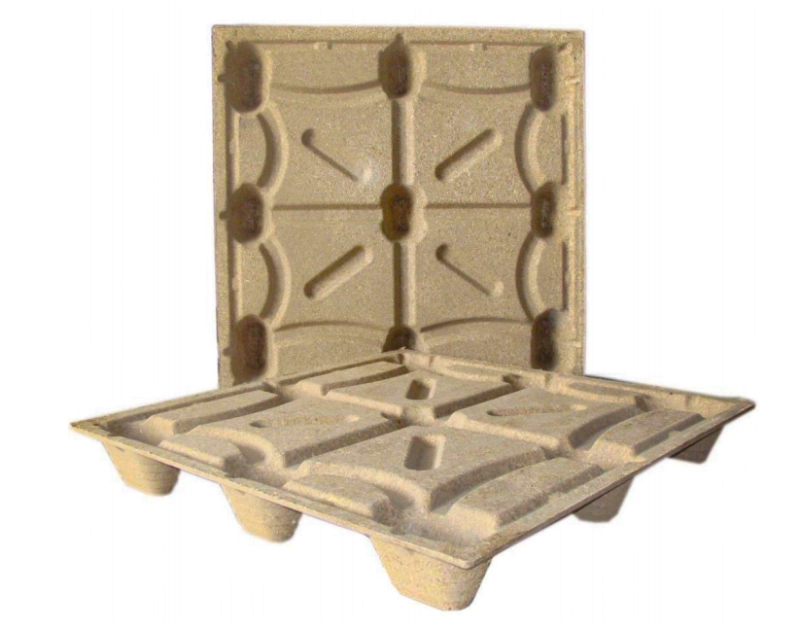
The compressed wood pallet (also known as a molded wood pallet) solves this at the molecular level. Manufactured using a 1600-ton hydraulic press, these pallets are one-piece constructions. There are no nails, no staples, and no sharp corners. The rounded edges and smooth surface design reduce package abrasion by approximately 18%, ensuring your product arrives at the destination warehouse exactly as it left your production line.
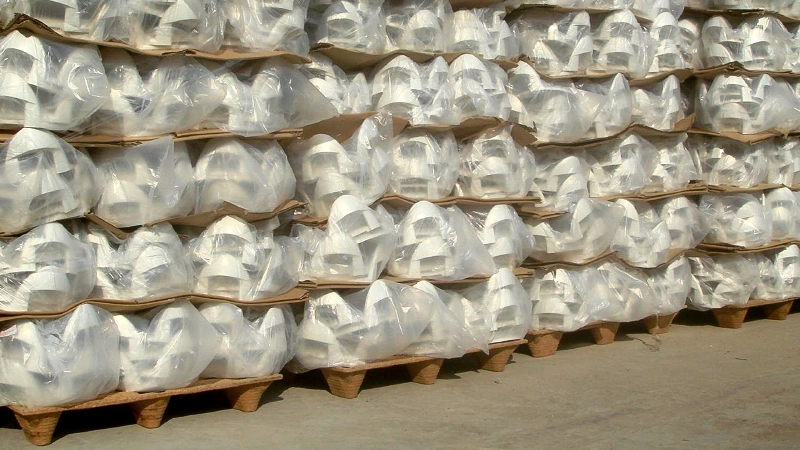
Figure 1: High-value bagged goods transported safely on smooth, nail-free compressed pallets.
Space Logic: The 4:1 Nesting Advantage
Chemical plants often face a bottleneck in their finished goods warehouse or export staging area. Traditional GMA pallets consume vast amounts of vertical space even when empty. This is where the geometric design of the nestable pallet changes the operational workflow.
Thanks to the inverted cone foot design, 50 of our pallets can be nested into a stack only 2.1 meters high. In contrast, the same height would only accommodate about 14 traditional wooden pallets. For a facility manager, this means reclaiming up to 70% of your storage space. More importantly, for return logistics or inter-plant transfers, you can fit over 2,500 empty pallets in a standard truck, drastically cutting fuel costs per unit.

Figure 2: Visualizing the 4:1 space-saving ratio—nestable design vs. traditional bulk.
Stability for Drums and Heavy Loads
A common anxiety for procurement managers in the chemical sector is load stability, particularly when double-stacking 208L chemical drums. Traditional wood pallets often suffer from internal stress warping, leading to uneven surfaces that cause drums to tilt or slide—a potential hazmat nightmare.
Our heavy duty molded pallet is engineered with high stiffness and dimensional consistency (tolerance within ±2mm). The high-density fiber structure resists deformation under static loads of up to 7 tons. This rigidity ensures that when you stack drums or heavy intermediate bulk containers, the load remains perfectly vertical, preventing the “leaning tower” effect inside shipping containers.
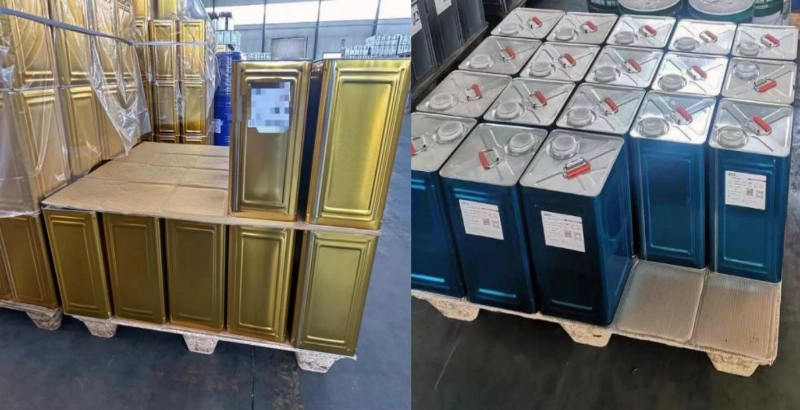
Figure 3: Perfect stability for 208L chemical drums, preventing tilt and leakage during transport.
Export Compliance: The “No-Hassle” Promise
Exporting chemicals to Europe or the USA requires strict adherence to ISPM 15 compliance. Traditional wood requires heat treatment and fumigation certificates, which expire and can cause customs delays if stamps are faded or missing.
Ampallet products are classified as “Processed Wood.” Because they are molded at high heat (approx. 220°C) and pressure, they are biologically sterile. They are ISPM 15 exempt by default. Furthermore, by using MDI (medical-grade) adhesive, our pallets are formaldehyde-free and waterproof. This is critical for high-purity chemical exports where moisture migration or VOC off-gassing could contaminate the cargo.
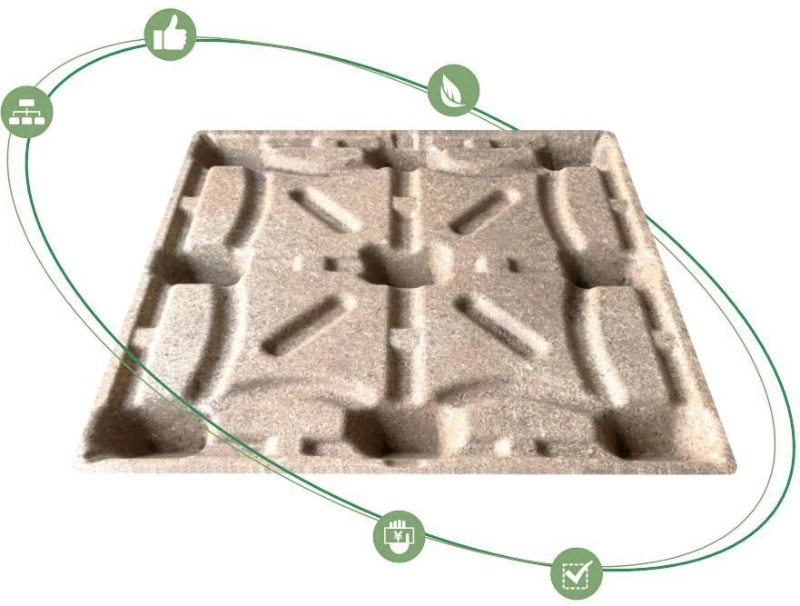
Figure 4: MDI-bonded pallets offer waterproof and formaldehyde-free protection for sensitive exports.
Frequently Asked Questions
1. Can these pallets handle the weight of 4 drums (approx. 1000kg)?
Yes. Our heavy-duty compressed pallets are rated for a dynamic load of 2.5 tons and a static load of over 7 tons, making them ideal for standard 4-drum configurations.
2. Do I need a fumigation certificate for export to the EU?
No. Compressed wood pallets are considered “processed wood” and are fully exempt from ISPM 15 regulations. You do not need a heat treatment stamp or certificate.
3. Will the pallet absorb moisture in a humid shipping container?
Unlike low-grade urea-formaldehyde pallets, our pallets use MDI resin, which creates a waterproof bond. They maintain integrity even in high-humidity sea freight conditions.
4. Are they compatible with automated palletizers?
Absolutely. The molding process ensures high dimensional consistency (±2mm tolerance), preventing jams and sensor errors in automated bagging and palletizing lines.
5. How much space can I save in my warehouse?
Due to the nestable design, you can save approximately 70% of floor space compared to non-nestable wooden pallets. A stack of 50 pallets stands only about 7 feet high.