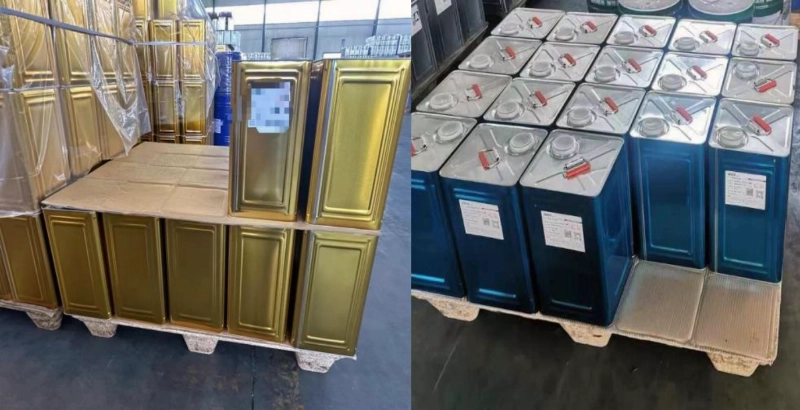
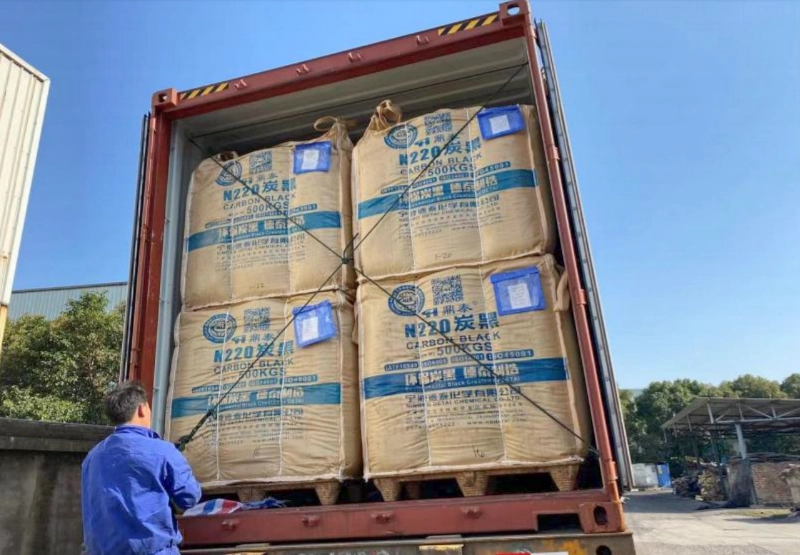
 | When exporting heavy ton bags of N220 carbon black or 55-gallon drums of PVC resin across the ocean, a single popped nail or warped wooden board can lead to catastrophic chemical leaks and rejected containers. You don’t just need a pallet; you need a moisture-resistant, nail-free platform engineered specifically to survive 30+ days of high-humidity sea transit without compromising your bottom-tier cargo. |
The Ocean Transit Nightmare: Why Solid Wood Fails Bulk Chemicals
For logistics managers in the chemical and bulk agricultural sectors, sea freight presents a unique set of destructive forces. A typical 30-day ocean voyage exposes cargo to extreme temperature fluctuations and high saline humidity. Traditional solid wood pallets, assembled with nails and staples, are highly susceptible to these conditions. As the wood fiber absorbs moisture, it swells, causing the fasteners to loosen.
The result? “Nail pops.” When a rusty nail protrudes just a fraction of an inch, the constant rocking of the sea vessel turns it into a saw. This easily punctures soft ton bags or creates uneven point pressure on the bottom rims of 55-gallon (208L) drums, leading to leaks, hazardous material spills, and expensive insurance claims.

The Science of Survival: Seamless Design for Soft Packaging
To eliminate cargo damage, the fundamental structure of the pallet must change. The pressed wood pallet is manufactured using a 1,600-ton servo-controlled hydraulic press, blending wood fibers with premium MDI (Methylene Diphenyl Diisocyanate) adhesive. This high-temperature, high-pressure process creates a one-piece construction with absolutely zero metal fasteners.
The MDI adhesive reacts with the cellulose in the wood to form a highly resilient polyurethane molecular chain. This gives the pallet an incredibly smooth, rounded-edge surface that is ideal for bagged goods stacking. More importantly, this chemical cross-linking provides superior water resistance. Even in the damp environment of a sea container crossing the equator, the thickness swelling rate remains under 2%, completely eliminating the warping that causes load shifting.
Mastering High-Density Container Loading
When shipping heavy industrial materials like mineral sands or carbon black, maximizing the internal volume of a standard 40ft container is critical for ROI. Traditional wooden pallets suffer from internal stress when double-stacked; the upper pallet’s feet can crush the cargo below it.

Our heavy-duty molded pallets boast a dynamic load capacity of 5,500 lbs (2.5T) and a static load of over 15,000 lbs (7T). For specialized chemical tanks storage, the flat bottom design evenly distributes the extreme weight, preventing the bottom-tier ton bags from leaning or collapsing during transit. Furthermore, because a standard 48″x40″ molded pallet weighs only about 28.6 lbs—nearly 60% lighter than solid wood—you can pack more actual payload into the container before hitting the maximum gross weight limit.
Zero Customs Friction: The Ultimate Export Solution
Perhaps the biggest anxiety for any export manager is having a container held up at a European or North American port due to non-compliant wood packaging. Traditional pallets require strict heat treatment or fumigation, and a faded stamp can lead to immediate rejection, fines, or container incineration.
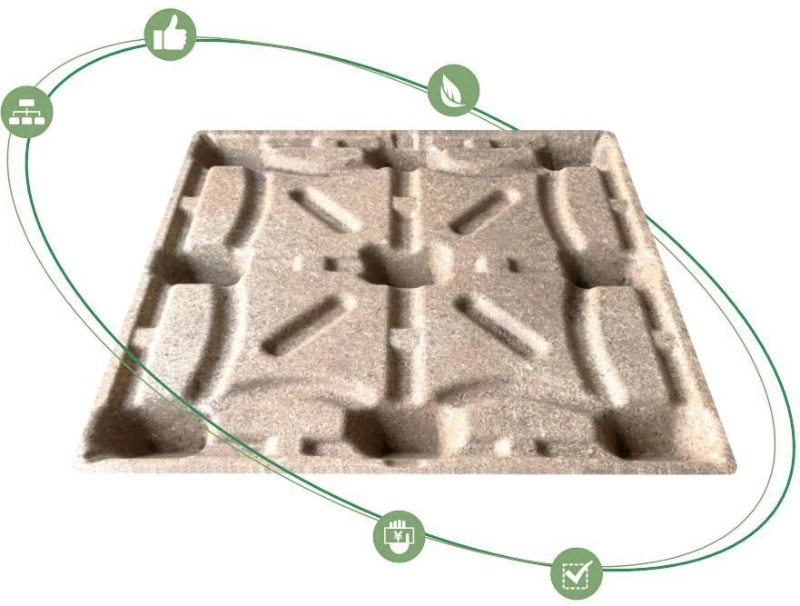
Because they are manufactured under extreme heat (220℃), molded wood is internationally classified as “processed wood.” This makes them naturally ISPM 15 exempt pallets. You never need to coordinate fumigation schedules or worry about hidden pests. They function perfectly as a one way pallet, allowing your cargo to flow seamlessly through customs checkpoints worldwide. For chemical and food additive exporters, these export pallets transform a highly variable logistics risk into a predictable, standardized process.
Frequently Asked Questions (FAQs)
1. Will the high humidity in a sea container cause the pallet to soften or collapse?
No. Because we use MDI adhesive, the wood fibers are bound by a waterproof polyurethane chain. The thickness swelling rate is less than 2% even after 24 hours of water immersion, ensuring it maintains its 5,500 lbs dynamic load capacity during long sea voyages.
2. Can we safely double-stack 55-gallon chemical drums on these pallets?
Yes. For double-stacking heavy drums, we recommend our double-face configuration. It provides a flat, even surface that eliminates the “point pressure” caused by traditional pallet stringers, preventing the bottom drums from deforming or leaking.
3. Do we need to provide an ISPM 15 certificate to customs when using these?
No certificate or stamp is required. Molded wood is universally recognized by customs authorities as processed wood (like plywood or particleboard), meaning it falls completely outside the scope of ISPM 15 regulations.
4. How does the one-piece design protect ton bags of powder/resin?
Traditional pallets use nails that inevitably pop out as wood flexes, tearing the bottom of ton bags. Our pallets are molded in a single piece under 1,600 tons of pressure, resulting in a 100% nail-free, smooth surface with rounded corners that protects soft packaging.
5. How much weight can we save per container by switching to molded pallets?
A standard 48″x40″ pressed wood pallet weighs roughly 28.6 lbs, compared to 48-50 lbs for a traditional GMA wooden pallet. In a container load of 40 pallets, you save around 800 lbs of dead weight, allowing you to load more billable cargo.