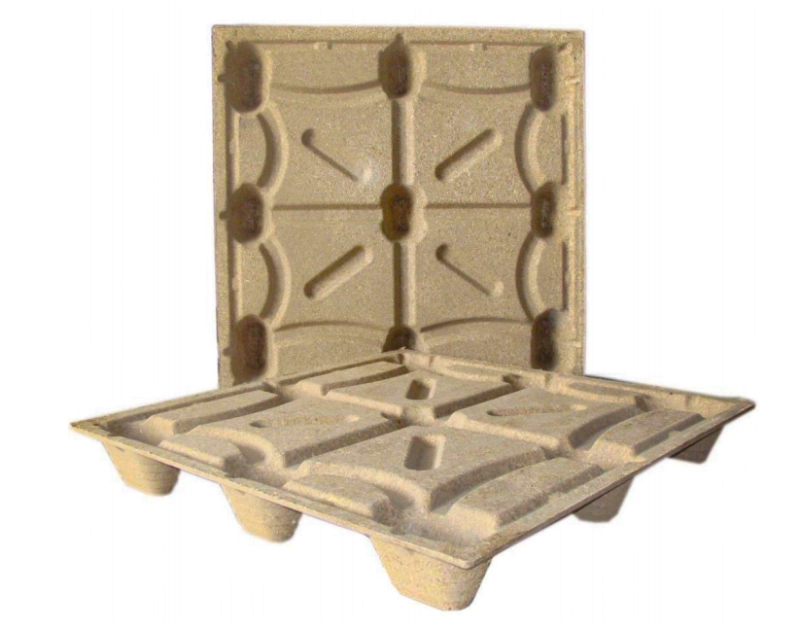
 | Still gambling your entire 40HC container’s clearance on a faded IPPC stamp? If you export high-value food ingredients, agricultural feed, or sensitive electronics in corrugated boxes, a single bark beetle or moldy wooden board can trigger a port quarantine, hefty fines, or total cargo incineration. Stop paying for heat treatment certificates that delay your shipping schedule. Switch to a carrier that customs ignores by default. |
The Quarantine Trap of Traditional “Heat Treated” Skids
Picture this: Your loading bay operator just finished packing 20 pallets of premium animal nutrition bags and high-grade corrugated boxes. You used standard GMA wooden pallets, paid the extra fee for heat treatment, and filed the fumigation certificates. But during the 30-day ocean transit to Europe, humidity inside the container spikes. The raw wood absorbs the moisture, and by the time it reaches the port, visible mold has bloomed, or worse, a dormant pest has emerged. The result? A phytosanitary hold. Your goods are stuck, your customer is furious, and you are bleeding demurrage fees. Traditional wood is a biological sponge, making it a massive liability for cross-border trade.
Why Processed Wood Bypasses ISPM 15 Inspections
The secret to seamless customs clearance lies in the material classification. A pressed wood pallet is not considered raw timber by the International Plant Protection Convention (IPPC). Instead, it is globally recognized as “Processed Wood”—falling into the same exempt category as MDF or particleboard.
During manufacturing, wood fibers are mixed with a formaldehyde-free MDI adhesive and subjected to a massive 1600 tons of pressure at 428℉ (220℃). This extreme thermal and pressure cycle destroys any possibility of pests, fungi, or larvae surviving. Because of this, these export pallets naturally comply with ISPM 15 regulations. You never have to coordinate with a fumigation company, track certificate expiration dates, or worry about a faded stamp causing a port rejection again.
Reclaiming Container Space with 4:1 Nestability
When you are managing outbound logistics, shipping empty air eats directly into your margins. A standard 48″ x 40″ wooden skid takes up nearly 6 inches of vertical space, and they cannot be nested. Stack 50 of them, and you are looking at a towering, unstable 20-foot column that clogs your staging area.
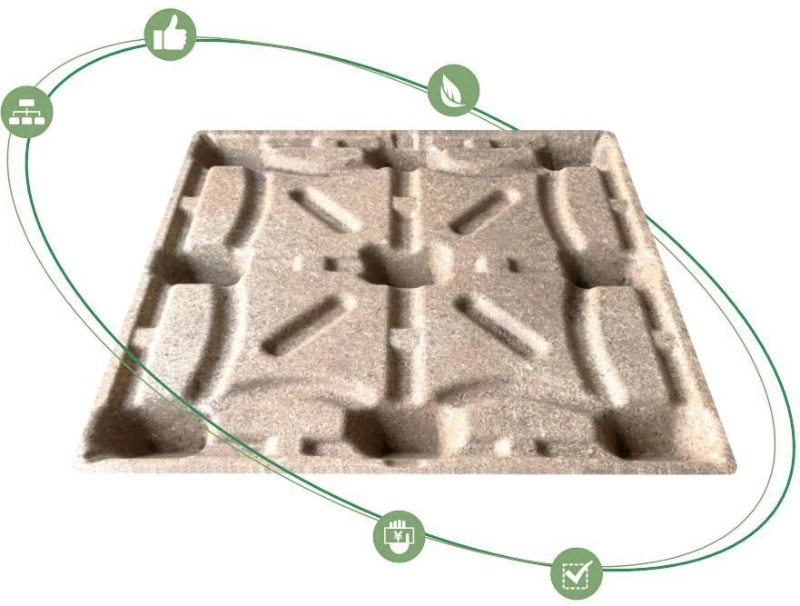
Our molded design features patented inverted cone legs. This allows the feet of one pallet to slide perfectly into the slots of the one below it. Thanks to this 4:1 nesting ratio, a stack of 50 pallets sits at just 84 inches high. If you are shipping goods out and don’t expect the carrier back, this space-saving geometry makes it the ultimate one way pallet. You can fit significantly more empty pallets into a return truck, slashing reverse logistics transport costs by over 60%.

Zero Nails: Protecting Corrugated Packaging and Bagged Goods
Ask any warehouse material handler what their biggest headache is with solid wood, and they will tell you: “Nail pops.” As wood dries and shrinks, or as forklifts repeatedly strike the edges, metal nails and staples inevitably back out. When you are loading 50 lbs bags of agricultural feed or precisely engineered corrugated boxes, a single protruding nail will tear the soft packaging, leading to product leakage, contamination, and expensive customer claims.
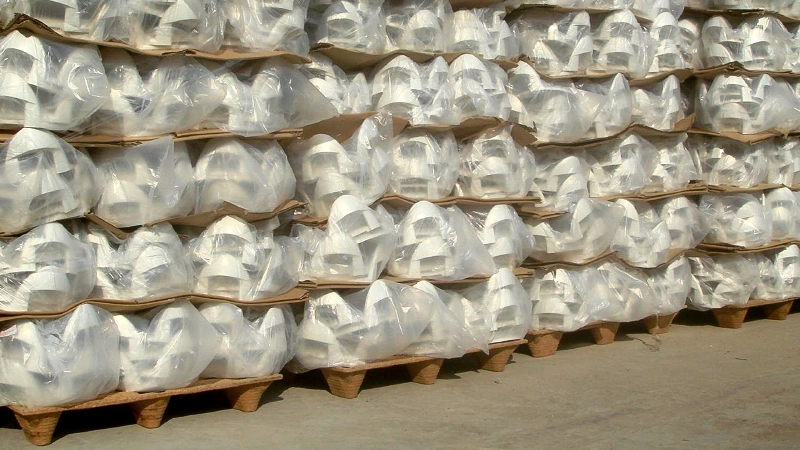
Because it is formed in a single mold, there are absolutely no metal fasteners, joints, or splinters. The smooth, flat surface and rounded corners ensure that even the most delicate soft packaging remains intact during aggressive forklift maneuvers. This structural integrity is exactly why packaging manufacturers consider it a superior alternative to wood pallets.
The TCO Advantage in Cross-Border Logistics
Procurement managers often face a dilemma: Heavy-duty plastic pallets are safe and nail-free, but at $40 to $120 each, they are financially impossible to use for one-way exports where the pallet is never recovered. Solid wood is cheap upfront, but the hidden costs of fumigation fees, warehouse space waste, and damaged cargo claims destroy the ROI.
By combining the nail-free safety of plastic with a price point that makes one-way shipping viable, molded wood emerges as a highly strategic and cheaper alternative to wooden pallets. You eliminate the friction of customs, protect your fragile packaging, and optimize your container density all at once.
Frequently Asked Questions (Export Logistics)
1. Do I need to provide a fumigation certificate to customs if I use a pressed wood pallet?
No. Under ISPM 15 regulations, molded wood is classified as “processed wood” (similar to particleboard or MDF). It is globally exempt from phytosanitary inspections and does not require an IPPC stamp or a heat treatment certificate, ensuring zero delays at international ports.
2. Will the MDI adhesive emit formaldehyde and contaminate our food ingredient packaging?
Not at all. We utilize a medical-grade, formaldehyde-free MDI adhesive. It complies with the strict CARB-NAF (No Added Formaldehyde) standards, ensuring zero VOC migration into your corrugated boxes or bagged agricultural products.
3. How much weight can these pallets handle in a standard 40HC container?
Despite their lightweight profile (often under 35 lbs depending on the model), they offer a high dynamic load capacity of over 5,500 lbs (2.5 tons) and a static load of up to 15,000 lbs (7 tons). They are perfectly engineered to support heavy bagged goods or stacked corrugated boxes without buckling.
4. How does the nestable design benefit my shipping and receiving clerks?
The 4:1 nesting ratio means that 50 empty pallets stack into a neat 84-inch column. This frees up to 70% of your warehouse staging area and allows a single forklift operator to move large batches easily, eliminating the danger of towering, unstable stacks of standard wooden skids.
5. Are there any protruding nails that could puncture our bulk bags during transit?
No. The pallet features a one-piece molded construction formed under 1600 tons of pressure. There are absolutely zero nails, staples, or splinters, completely eliminating the risk of packaging tears and product leakage during rough ocean transit.