 | Tired of punctured FIBC ton bags, leaking 208L chemical drums, and unexpected customs holds at European ports? When evaluating shipping platforms for bulk materials, the true expense isn’t just the initial procurement price. The hidden costs of traditional heat-treated wood—from internal stress causing drum tilt to nail pops shredding your bagged resins—can destroy your export margins. It’s time to upgrade to a one-piece, heavy-duty carrier engineered specifically for chemical and bulk logistics. |
Presswood Pallet vs Heat-Treated Wood Cost: Analyzing the True TCO in Chemical Exports
For logistics managers in the chemical, petrochemical, and agrochemical sectors, the debate between different pallet types usually comes down to unit price. Traditional heat-treated (HT) GMA wood pallets might appear cost-effective on a spreadsheet. However, when you are loading a sea container with high-value PVC resins or carbon black, the calculation changes. A single punctured bag or a customs quarantine due to pest contamination can result in thousands of dollars in losses. Let’s break down why switching to a pressed wood pallet is the ultimate risk-mitigation strategy for your bulk exports.
Eliminating Punctures and Leaks in Bagged Goods
The Chemical Shipper’s Pain Point: Standard heat-treated wood pallets are assembled with nails and staples. During forklift handling or transit vibrations, wood shrinkage inevitably leads to “nail pops.” When you are stacking 2,000 lbs (approx. 900 kg) of powdered chemicals or bagged PVC resin, these protruding nails act like needles, puncturing the bottom layer. Furthermore, the gaps between the wooden deck boards create uneven weight distribution, causing flexible packaging to sag, stretch, and eventually tear.

Our Engineered Logic: Ampallet utilizes a 1600-ton servo-controlled hydraulic press to mold wood fibers and MDI adhesive into a single, seamless structure. This one-piece construction entirely eliminates metallic fasteners. The top deck features a flat, uniform surface with rounded corners, providing 100% full-contact support for soft packaging.
The Operational Aftermath: By removing the mechanical hazards of nails and gaps, chemical plants experience a drastic reduction in product loss. Your bagged goods arrive at the destination intact, eliminating costly cleanup operations and protecting your brand’s reputation for quality delivery.
Solving the Double-Stacking Dilemma for Liquid Drums
The Chemical Shipper’s Pain Point: To maximize container space, exporters often double-tier 208L (55-gallon) chemical drums. Traditional wood pallets suffer from internal stress when subjected to heavy point pressure. The bottom pallet often warps or cracks, causing the upper tier of drums to tilt, which can compromise the seals and lead to hazardous chemical leaks. While heavy-duty plastic pallets solve this, they are far too expensive for one-way overseas shipments.
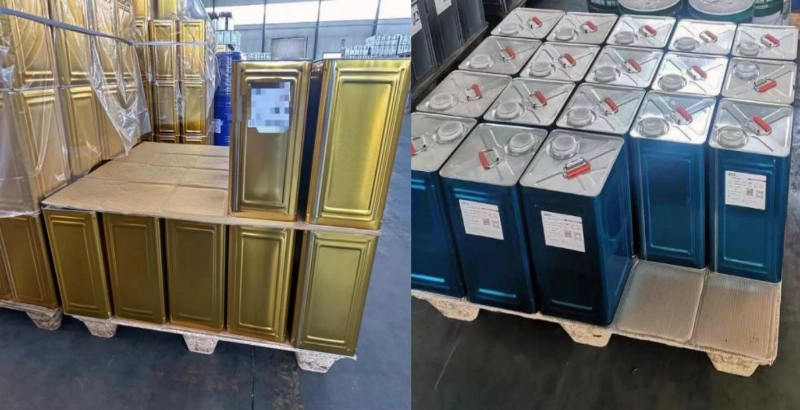
Our Engineered Logic: The compressed molded technology, combined with the high-elasticity polyurethane molecular chain formed by the MDI adhesive, gives the pallet extraordinary structural integrity. With a dynamic load capacity exceeding 5,500 lbs (2.5T) and a static load of over 15,000 lbs (7T), the structural deck resists deformation even under the intense, concentrated point pressure of liquid drums.
The Operational Aftermath: You achieve the rigid, non-warping performance required for safe double stacking without the exorbitant capital expenditure of plastic. It serves as a highly reliable, cheaper alternative to wooden pallets and plastic hybrids for high-density liquid transport.
ISPM 15 Compliance: Zero Quarantine Risk for Cross-Border Logistics
The Chemical Shipper’s Pain Point: Managing the compliance of heat-treated pallets is an administrative nightmare. HT stamps can be illegible, certificates expire, or worse—pests can re-infest the wood while sitting in your loading bay. If European or North American customs inspectors find a single insect or fungus spore, your entire container of agrochemicals or industrial additives will be detained, fumigated at your expense, or destroyed.
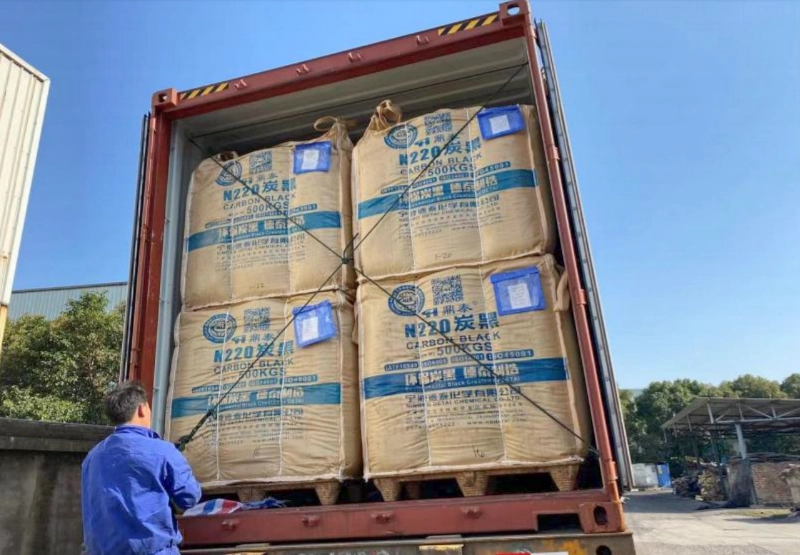
Our Engineered Logic: Because the raw wood fibers are processed at temperatures exceeding 220℃ under massive pressure, the final product is officially classified as “processed wood” globally. This means it falls outside the scope of solid wood packaging regulations and is naturally exempt from ISPM 15.
The Operational Aftermath: By utilizing these export pallets, procurement managers no longer need to coordinate with fumigation companies or track expiration dates. Your goods sail straight through customs, ensuring predictable delivery timelines for your global clients.
Warehouse Space Optimization: The Power of Nestability
The Chemical Shipper’s Pain Point: Chemical manufacturing plants require massive inventories of empty pallets to keep production lines running. Standard HT pallets cannot be nested. A stack of 50 solid wood pallets towers dangerously high, consuming valuable square footage that should be used for storing finished chemical products.

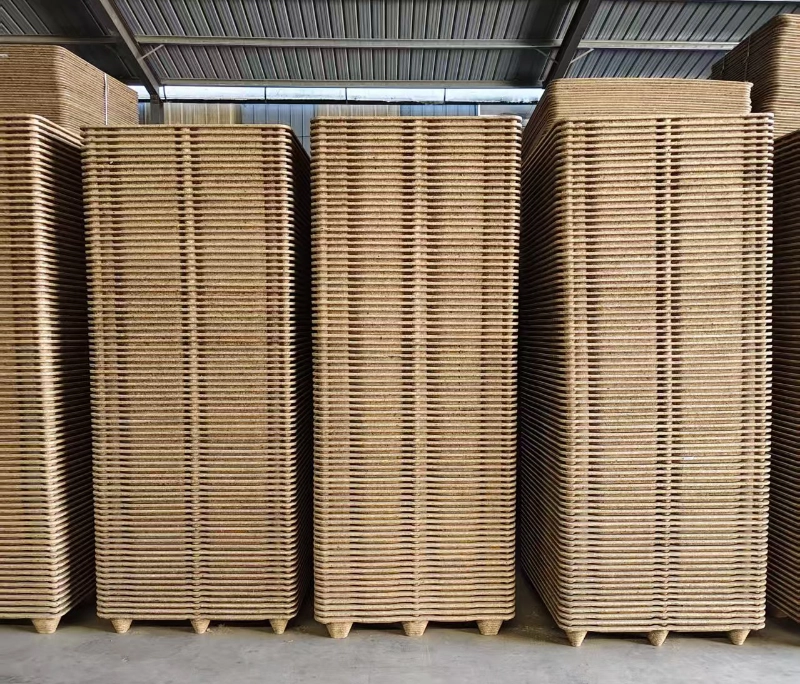
Our Engineered Logic: The patented inverted cone design of the pallet’s feet allows the legs of the upper unit to slide perfectly into the grooves of the lower unit. This precise geometric structure creates a 4:1 space-saving ratio.
The Operational Aftermath: You can store up to 2.5 times more one way pallet inventory in the exact same footprint. This dramatically cuts down on the frequency of inbound pallet deliveries and frees up vital floor space in your high-traffic loading docks.
Frequently Asked Questions (Chemical & Bulk Logistics)
1. Can this pallet handle the weight of double-stacked FIBC ton bags?
Absolutely. Formed under 1600 tons of hydraulic pressure, it boasts a dynamic load capacity of 2.5T (approx. 5,500 lbs) and a static load of 7T. It is engineered specifically to withstand the concentrated point pressure of heavy bulk commodities like carbon black and mineral sands.
2. Do I need to apply for an ISPM 15 certificate when exporting chemicals to the EU?
No. Because it is manufactured using high heat and pressure, it is globally recognized as “processed wood.” It is naturally exempt from ISPM 15 regulations, meaning no fumigation, no stamps, and zero risk of customs quarantine.
3. Are there any risks of the pallet material reacting with our chemical products?
Our manufacturing process uses medical-grade MDI adhesive, which forms an irreversible, highly stable polyurethane molecular chain. It is formaldehyde-free (CARB-NAF compliant), moisture-proof, and will not emit VOCs that could contaminate sensitive chemical or agrochemical shipments.
4. How exactly does the design prevent damage to flexible packaging and liquid drums?
Unlike traditional GMA pallets, our product is a one-piece molded platform with zero nails, screws, or splinters. The flat, gap-free deck ensures even weight distribution, preventing the sagging and puncture hazards that typically destroy ton bags and drum seals.
5. What is the real cost difference between presswood and heat-treated export wood?
While the initial procurement price is highly competitive, the true savings lie in the Total Cost of Ownership (TCO). You instantly eliminate heat-treatment fees, reduce product damage claims by up to 18%, and save 70% on warehouse storage space due to its nestable design.