Pellet Line Chip Prep
Why Drying Energy Dominates the Pellet Plant Bill
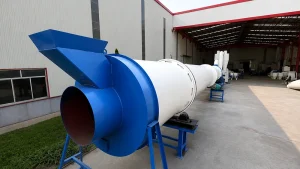
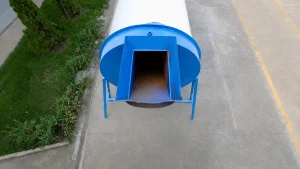
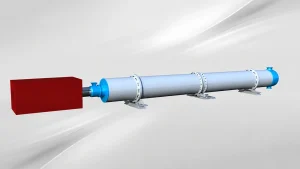
Pellet plants take the biggest share of their thermal and electrical budget in the rotary drum dryer. The BX215 wood chipper sits at the front of the line and produces a uniform 30 to 35 millimetre chip at a controlled mass flow, so the dryer sees predictable feed instead of wet slugs of variable wood waste.
What Generic Chip Preparation Does Wrong
The usual upstream culprit is a chipper that was not chosen for pellet line duty. A mobile disk chipper or a low-cost drum unit tends to deliver a mix of oversize chunks, splinters, and fines. Fines carry most of their water on the surface and look dry on the inside, so the drum residence time, which is set for the average particle, scorches the fines while the chunks leave still wet. The downstream hammer mill then has to re-work that inconsistent feed, drawing more power and pulling the dryer further out of balance. Plants that rely on outside wood chips face a different version of the same problem: moisture content varies by truck, bulk density swings, and the dryer operator spends the shift chasing setpoints instead of running the line. None of this shows up in the chipper spec sheet. It shows up at the gas meter at the end of the month.
Why the BX215 Drum Chipper Fits a Pellet Line
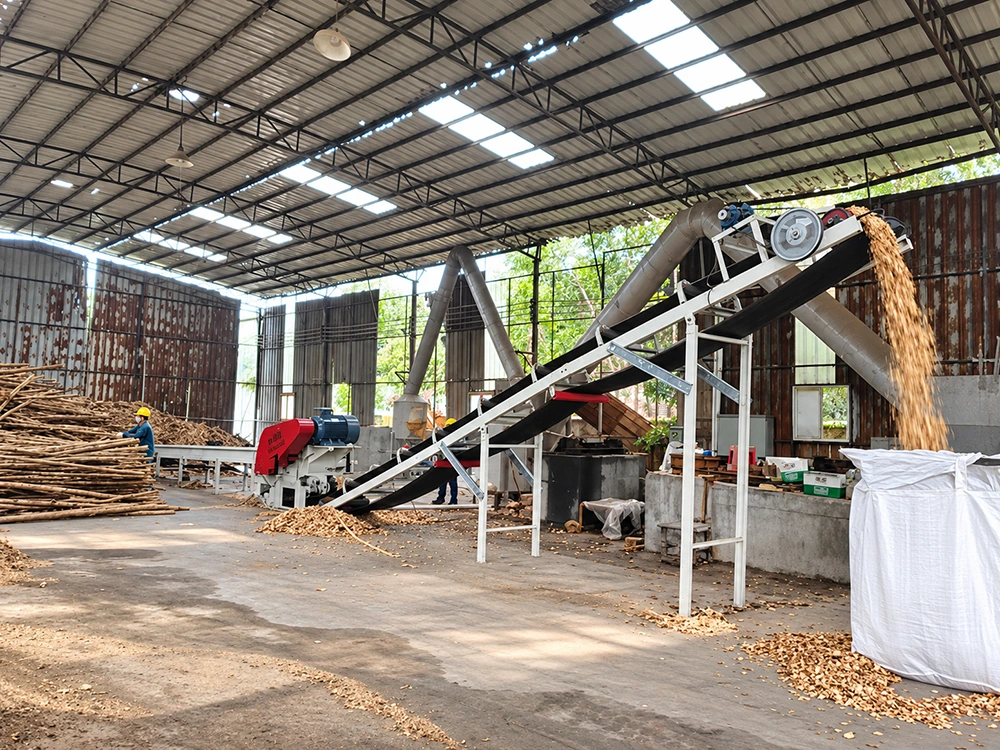
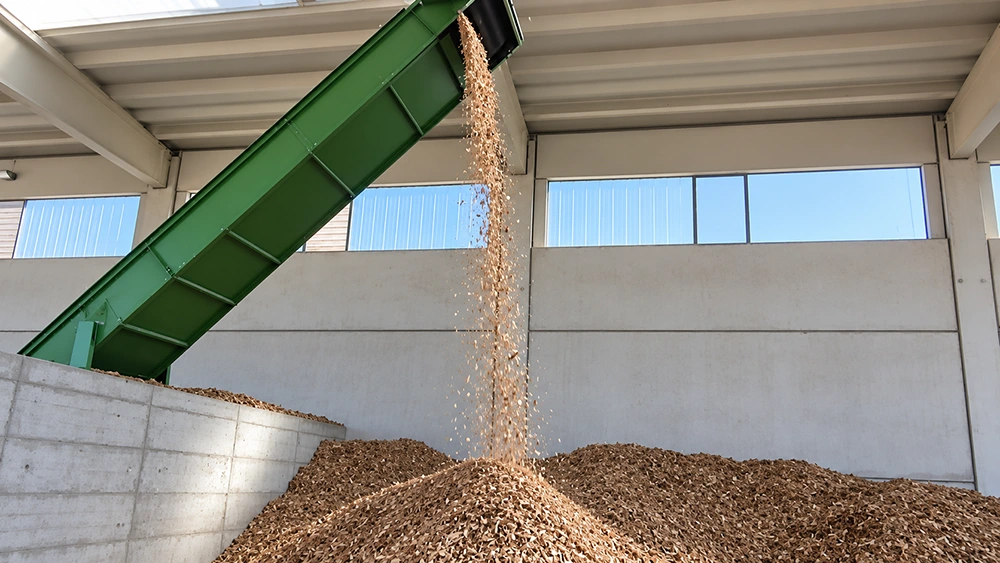
The BX215 drum wood chipper was sized for exactly this kind of upstream duty. The drum carries fly knives that cut against a fixed bed knife to produce chips in a controlled length range of roughly 30 to 35 millimetres, which is the size the rotary drum dryer expects when it has been calibrated for pellet forming rather than generic bulk wood chips. Hydraulic feeding holds a steady mass flow into the cutting chamber, so the dryer downstream never sees a slug or a starvation event. Adjustable chip length lets the operator tune output to whatever the dryer and downstream hammer mill are set up to receive, which matters when the line is running a mix of softwood offcuts and agricultural residue. Built as the upstream unit of a complete wood chip production line, the BX215 is paired with a discharge conveyor that meters chip flow into the dryer feed bin. Output is rated between 4 and 5 tonnes per hour at 45 kilowatts, which matches the throughput window of mid-scale pellet plants and gives the dryer a stable thermal load rather than a moving target.
What Stable Chip Prep Delivers to the Dryer and the Bottom Line
A predictable chip stream changes the dryer math in three concrete ways. First, the rotary drum holds its setpoint because feed moisture and bulk density stop swinging truck to truck, gas consumption per tonne of finished pellet drops, and the operator stops trimming dampers every hour. Second, the pellet press runs inside the bonding window because incoming moisture is stable, so reject rates fall and throughput rises on the same press. Third, the plant stops buying external wood chips for the dryer feed and starts using its own wood waste and low-cost residues, which shortens the payback period on the chipper line and insulates the mill from chip market volatility. The wider point is that drying energy is not really a dryer problem. It is a chip preparation problem that shows up at the dryer. Locking the upstream end with a drum chipper calibrated for pellet duty is what moves the largest cost on the line back inside the budget.
- drum wood chipper
- BX215 wood chipper
- rotary drum dryer
- pellet bonding window