Pellet Line Energy Cost Control
Where the Pellet Plant Energy Bill Actually Goes
A BX218 drum chipper producing uniform 30-35mm chips has become a deliberate upstream choice at biomass pellet plants that want to stabilize rotary drum dryer load. When the chipper output stops swinging between fines and oversized chunks, the dryer no longer fights a variable feed, and the energy bill per ton of finished pellets begins to track in the right direction.
Why the Chipper Feeds the Dryer Problem
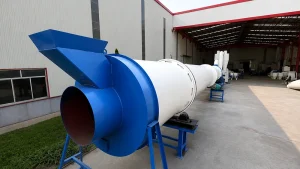
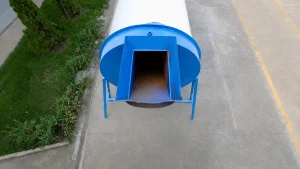
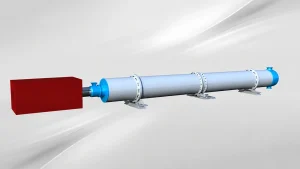
The most common legacy setup behind a struggling rotary drum dryer is one of two things: chips bought in from a third party, or chips produced by a chipper that was never specified against the drying window. Outsourced chips arrive as a mixed bag of fines, splinters and oversize chunks, which means the dryer spends part of its retention time drying dust that has already passed through and part of its time failing to dry wet cores inside the larger pieces. A general purpose chipper that drifts in knife gap as blades wear produces the same swing inside the same shift. Once the chipper output stops holding a consistent 30 to 35 millimeter chip size, the rotary drum dryer stops holding a steady load curve, the gas burner cycles harder, and the pellet mill downstream starts rejecting material that lands above the 10 percent moisture ceiling.
What a BX218 Drum Chipper Brings to the Pellet Line
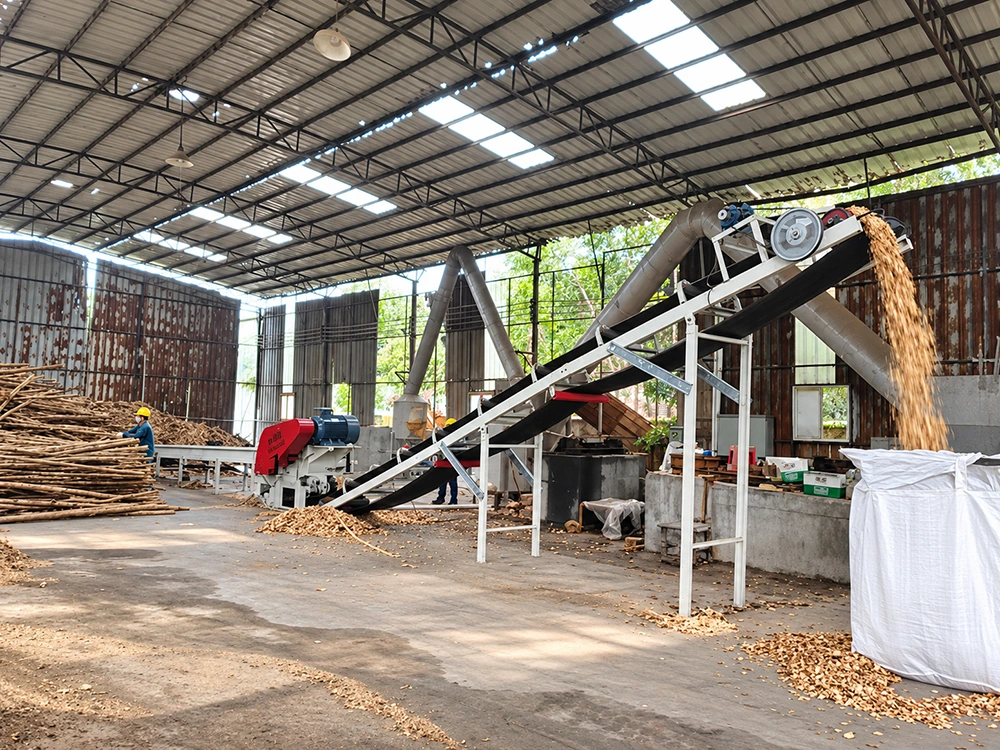
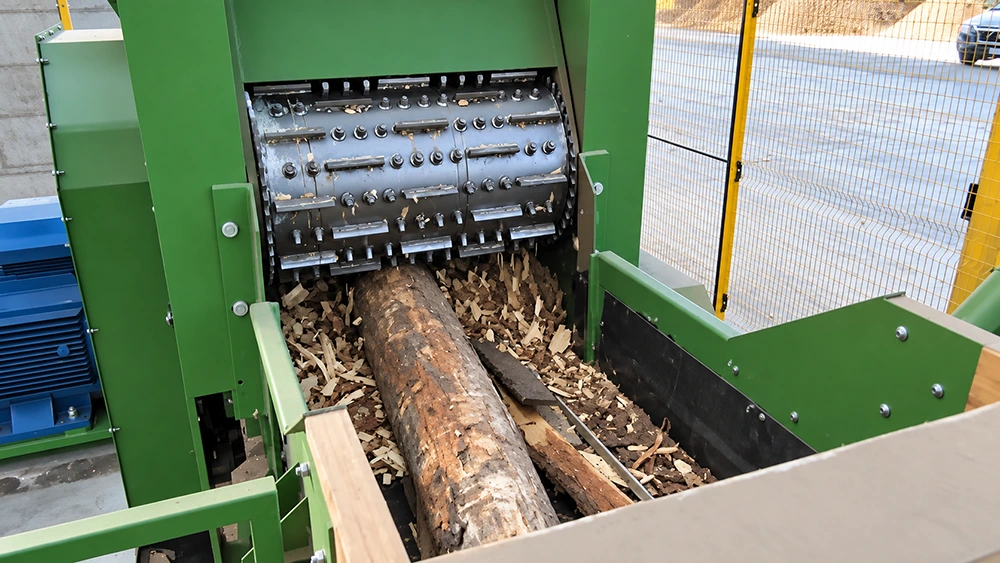
A BX218 drum chipper, equivalent to the EMP X-218 class at 110 kilowatts and 8 to 12 tons per hour, is sized for pellet plants that need continuous feed straight into the dryer. The chipping drum carries fly knives running against a fixed counter knife, with a hydraulic feeding system and feed rollers that keep log or slab throughput even as density changes. The welded steel housing holds knife geometry stable, so the 30 to 35 millimeter chip size stays inside the window the downstream hammer mill and rotary drum dryer were tuned for. Because the BX218 drum chipper is built by a biomass and presswood pallet equipment maker, the chip length and bulk density targets are calibrated for pellet forming process parameters rather than for generic wood chips, which is the practical difference between a chipper that happens to feed a pellet line and a chipper that was co designed with one.
Drying Window Stability and What It Means Downstream
Once the chipper is holding 30 to 35 millimeter chips at a steady 8 to 12 tons per hour, the rotary drum dryer sees a predictable bulk density and a predictable moisture band at its inlet, so the burner settles into a steady firing rate instead of chasing spikes. Exit moisture from the dryer lands inside the 8 to 10 percent pellet forming window with far less operator intervention, which is the practical meaning of drying window stability at a binder free pellet plant. The pellet press receives feedstock that is neither over dried dust nor under dried chunks, so binding failure rate drops and the proportion of finished pellets that meet spec on the first pass rises. For the plant owner, the gain is not a marketing slogan about dryer efficiency; it is a lower kilowatt hour and cubic meter of gas per ton of salable pellets, which is exactly the line item that decides whether a biomass pellet project clears its payback target.
- BX218 drum chipper keyword appears in the blog title, in the intro summary and in the product evidence section
- 30 to 35mm chip size is cited as the binding target for downstream rotary drum drying and pellet forming
- 8 to 12 tons per hour drum chipper capacity is cited together with the 110 kW motor power figure
- The framing is biomass pellet plant drying energy cost, not a generic drum chipper overview