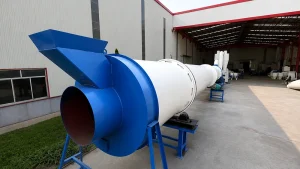
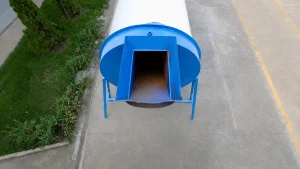
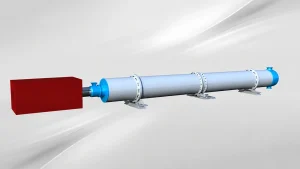
Molded pallet production line for multi-country call-off programmes
A Network That Sells One Specification, Not a Sample
Multi-country call-off customers do not buy pallets one order at a time. They buy one specification served from every node, which is what one call for all means in packaging. Natural wood cannot hold that promise, because moisture, dimension and strength drift with the batch and the site. AutoML answers it inside the process: a weighing-based dosing spreader and a 1600T hydraulic press turn the same mold and the same 150 to 180 degrees Celsius at 25 MPa parameters into the same pallet in every country, nail-free and within ±1 mm out of the mold.
Why Nailing Machines and Local Bidding Cannot Hold the Line
A traditional pallet nailing machine and wooden stringer pallet equipment build the pallet out of lumber, so the finished unit inherits everything the board did: moisture that moves between batches, board width tolerance, knots, and fasteners that work loose in service. Every node also buys its own timber, so one drawing becomes a slightly different pallet in a different country, and moving to a heavy duty hardwood pallet maker only shifts the cost, not the variation. An EPAL pallet production line solves the format problem, not the node-to-node problem, because the material is still the variable. The usual answer is inspection and after-the-fact coordination: sampling at the gate, sorting, credit notes, expedited replacements. That manages the symptom while the promise still rests on service language rather than on the product.
Why AutoML Fits: Same Mold, Same Parameters, Every Node
AutoML is not one machine but a modular molded pallet production line: crushing, drying, glue dosing, weighing-based spreading, hot pressing, demolding and stacking are engineered as one chain and built as either a semi automatic or a fully automatic automated pallet manufacturing line, matched to local labor cost, power capacity and plant layout. Because the pressed shape comes from a steel mold instead of stacked boards, the specification is set by tooling and by recorded parameters, and both of them travel. A sawdust pallet making machine fed from a local wood waste recycling machine can run in the same building as an agricultural waste pallet line for straw or bagasse, so each node converts its own residue stream through wood waste to pallet conversion, and every node still presses the same pallet, because the mold and the press recipe do not change with the country.
What the Press Guarantees, and What It Looks Like on the Floor
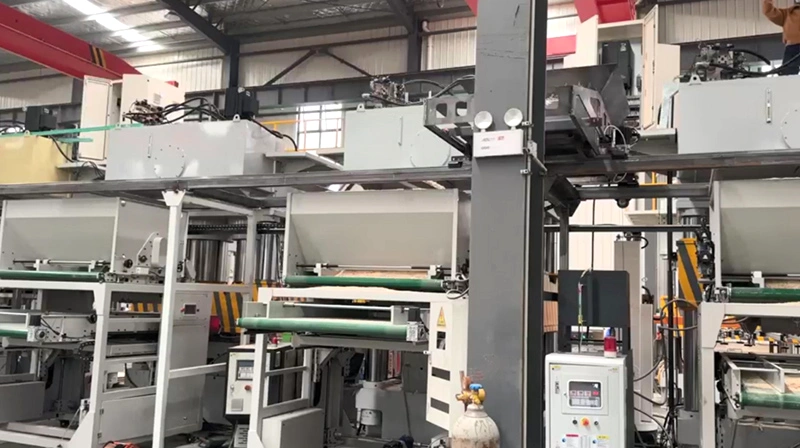
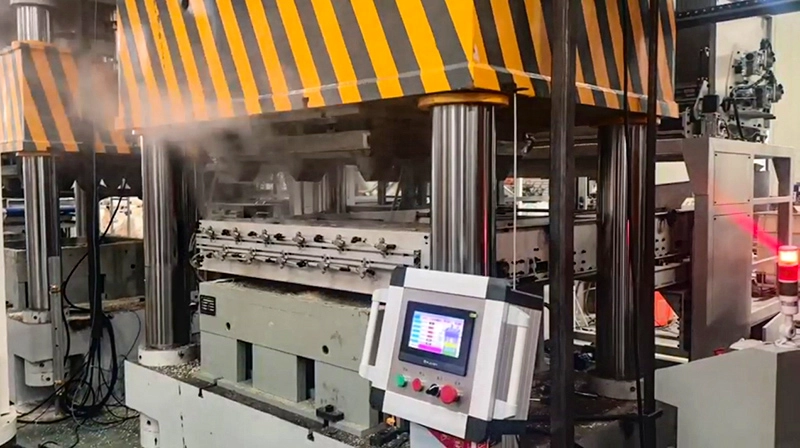
The guarantee sits in the pressing stage. A weighing-based dosing spreader measures the charge per mold, so density no longer depends on the eye of a loader, which is the oldest weak point of manual industrial pallet press operation. The 1600T class hydraulic press then closes on 150 to 180 degrees Celsius at 25 MPa in the parameters agreed for the project, curing a one-piece, nail-free pallet that leaves the tooling flat, within ±1 mm, and without the warping that appears when lumber dries after assembly. EMP specifies the mold geometry and the pressing recipe with the equipment as a hydraulic pallet press manufacturer, so the same recipe file is used at every site. The images below show the dosing feeder charging the mold, and the instant the mold opens with steam released and PLC parameters displayed at the machine. Pallet after pallet, node after node, the output is the same molded wood pallet: fumigation-free under ISPM-15 exempt pallet equipment, nestable for cheaper return freight, and consistent enough that one call for all is a product-level property instead of an inspection result.
- Title, slug and H1 use the multi-country call-off scene word with the molded pallet production line product word and a same-spec result word, and the title does not repeat any published EMP post title.
- The body follows the required logic of scene, old-scheme failure, product fit, parameter and image evidence, then the final product-level result, with no HTML, attributes or markdown in any section body.
- Both image source paths are inside the resolved AutoML designer gallery and are two distinct files, and the alt text carries the presswood pallet machine keywords.
- The route-owned renderer root markers, the primary button class and the contact CTA link are present in the rendered body.