As global environmental awareness grows, reducing plastic consumption has become a critical goal for sustainable development across all industries. In logistics and packaging, plastic pallets have long been a standard, but their environmental drawbacks are significant. While durable, their production and disposal create immense environmental pressure, as plastic is not easily biodegradable or efficiently recyclable. This has led the logistics industry to seek greener alternatives.
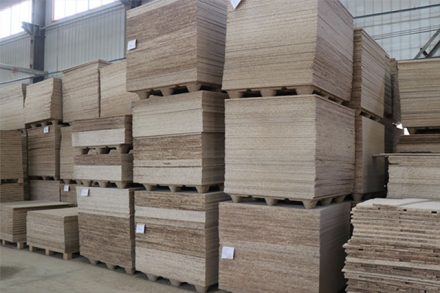
The presswood pallet emerges as an ideal, eco-friendly solution. Made from recycled wood, with a recyclable and lightweight design, it stands out as a superior alternative to plastic. This article explores how molded pallets effectively reduce plastic use, enhance recyclability, and help companies achieve a truly green supply chain.
1. The Environmental Downside of Plastic Pallets
Despite their strength and durability, plastic pallets pose several environmental challenges:
- Difficult to Degrade: Made from petroleum-based materials, plastic pallets do not break down naturally and contribute to long-term pollution. Their complex composition also makes recycling inefficient.
- Resource Depletion: Manufacturing plastic pallets consumes vast amounts of petroleum and generates high levels of carbon dioxide, intensifying the greenhouse effect.
- Waste Accumulation: With a finite lifespan, discarded plastic pallets create enormous amounts of waste that persist in landfills and natural ecosystems for centuries.
To mitigate these negative impacts, businesses are turning to more sustainable options. The presswood pallet, with its eco-friendly materials and recyclability, is the perfect replacement.
2. The Eco-Advantages of Presswood Pallets
Reducing Plastic Use with Recycled Wood
One of the greatest benefits of a presswood pallet is its construction from recycled wood. This process avoids reliance on petroleum resources by repurposing waste wood. It not only conserves virgin forests but also significantly reduces carbon emissions during production.
Case Study: “GreenPack Inc.” Reduces Plastic Footprint
Let’s consider GreenPack Inc., a company that uses 100,000 pallets annually. By switching from plastic to presswood pallets, they achieved significant environmental gains.
| Metric | Plastic Pallet | Presswood Pallet | Annual Impact |
|---|---|---|---|
| Primary Material | Virgin Plastic (1.5 kg/pallet) | Recycled Wood | 150 tons of plastic use eliminated |
| End-of-Life Option | Landfill / Inefficient Recycling | 100% Recyclable | Waste reduction and circular economy promotion |
| Recycling Value | Minimal | Approx. $10 per pallet | Potential revenue/savings of $500,000 |
By making the switch, GreenPack Inc. not only eliminated its consumption of 150 tons of plastic but also created a new revenue stream through recycling, fully supporting a circular economy.
3. Achieving a Green Supply Chain with Molded Pallets
As environmental regulations tighten and consumer demand for sustainability grows, integrating eco-friendly materials into supply chain strategies is essential. Molded pallets help companies meet these green objectives:
- Reduce Plastic Pollution: Using recycled wood directly cuts down on the demand for plastic pallets and the associated pollution.
- Ensure Regulatory Compliance: Many regions have strict regulations for packaging materials. Molded pallets help companies comply with these standards, avoiding potential fines.
- Promote a Circular Economy: The complete recyclability of molded pallets supports efficient resource management and reduces landfill waste.
4. Lead the Way in Sustainable Logistics
With its use of recycled wood, high recyclability, and lightweight design, the presswood pallet is the premier choice for green logistics and sustainable supply chain management. Choosing molded pallets reduces plastic pollution, lowers transportation costs, and strengthens your brand’s image as an environmental leader in a competitive global market.