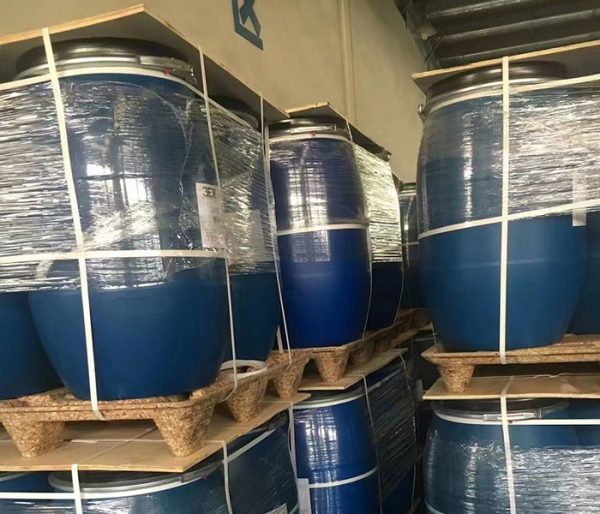
In logistics and supply chain management, transporting heavy goods presents a significant challenge. For long-distance, cross-border, and high-frequency operations, the choice of pallet directly impacts efficiency, safety, and cost. When moving items like machinery, industrial materials, or construction supplies, the pallet’s load capacity, stability, and overall economy are critical. This is where the advantages of a presswood pallet truly shine.
Engineered for superior performance, the presswood pallet is an ideal solution for heavy-duty transport due to its high load-bearing capacity, stable design, lightweight structure, and durability. This article will explore the efficiency and cost advantages of these pallets, demonstrating how they improve transport efficiency, lower costs, and minimize product damage.
1. The Challenges of Transporting Heavy Goods
Transporting heavy goods involves several common challenges:
- Insufficient Load Capacity: Traditional wood or plastic pallets can deform or break under heavy loads, compromising the safety of the goods.
- Stability and Stacking Issues: Heavy items can become unstable when stacked, leading to potential product damage or transport accidents if the pallet fails.
- High Transportation Costs: The sheer weight of heavy goods increases fuel consumption. Businesses constantly seek solutions that ensure safety while cutting down on these operational costs.
To overcome these hurdles, companies require pallets with exceptional load capacity and a stable design to guarantee product safety and achieve cost-effective transportation.
2. Superior Load Capacity and Stability of Presswood Pallets
High Load-Bearing Capacity
A presswood pallet is manufactured using a high-temperature and high-pressure molding process, resulting in a uniform structure with remarkable strength. They can withstand significantly more weight than traditional pallets, making them perfect for heavy cargo.
- Loading Capacity: These pallets can be designed to carry dynamic loads from 1,000 kg up to 7,000 kg, supporting a wide range of heavy goods.
- Durability: Resistant to heat and moisture, molded pallets maintain their shape and integrity under heavy loads, ensuring stability throughout transit.
Case Study: Cost Savings with Higher Capacity
Let’s consider a scenario from a company, “HeavyLift Logistics Inc.,” needing to ship 10,000 kg of equipment. Traditional wooden pallets have a load limit of 1,000 kg, while their presswood pallets can handle 2,000 kg.
| Pallet Type | Load Capacity per Pallet | Pallets Required for 10,000 kg | Result |
|---|---|---|---|
| Traditional Wooden Pallet | 1,000 kg | 10 | Higher pallet and handling costs |
| Presswood Pallet | 2,000 kg | 5 | Reduced pallet, handling, and storage costs |
By using fewer pallets, HeavyLift Logistics Inc. not only saved on the cost of the pallets themselves but also reduced handling and storage expenses, preventing potential losses from pallet failure.
3. Lightweight Design: Reducing Shipping Costs and Energy Use
While strong, presswood pallets are surprisingly lightweight. This design feature is key to reducing the high fuel and energy consumption associated with transporting heavy items.
- Reduced Shipping Weight: Molded pallets are 15%-30% lighter than their traditional wood and metal counterparts. This allows transport vehicles to carry more goods per trip, reducing the number of shipments and overall costs.
- Improved Fuel Efficiency: A lighter total load decreases the energy required for transportation. This benefit is especially noticeable in long-distance and international logistics, leading to significant reductions in fuel costs and carbon emissions.
Case Study: Annual Fuel Savings
Imagine a company ships 100,000 pallets annually. A traditional wooden pallet weighs 20 kg, while a molded pallet weighs 15 kg.
- Total weight with wooden pallets: 100,000 pallets * 20 kg = 2,000,000 kg
- Total weight with presswood pallets: 100,000 pallets * 15 kg = 1,500,000 kg
This switch saves 500,000 kg in shipping weight. Assuming a fuel cost of $50 per ton shipped, the company saves $25,000 annually in fuel costs alone, contributing to a greener logistics operation.
4. The Clear Advantages of Presswood Pallets for Heavy Goods
The combination of high load capacity, stable design, lightweight structure, and durability makes the presswood pallet a superior choice for transporting heavy items. The key benefits include:
- Enhanced Safety and Stability: Their robust construction and stable stacking design prevent cargo damage and transportation accidents.
- Lower Transportation Costs: The lightweight design reduces fuel consumption and overall shipping expenses.
- Improved Efficiency and Reduced Loss: By minimizing product damage during transit, these pallets improve the safety, efficiency, and profitability of your logistics.
Ultimately, presswood pallets provide a safer, more reliable, and economical logistics solution. They not only protect heavy goods but also deliver long-term economic benefits by reducing costs and improving energy efficiency, making them the ideal tool for any company serious about optimizing its heavy-duty shipping operations.