If you operate a wood processing facility, a silent partner works 24/7, never takes a break, and grows larger every day: the mountain of sawdust, shavings, and offcuts. For too long, this has been managed as “waste”—a cost on your balance sheet. But what if that’s the wrong name and the wrong strategy entirely? This material isn’t a liability; it’s a dormant revenue stream waiting for the right technology to unlock it.
The True Cost of “Waste” Hiding in Plain Sight
Let’s be honest about the real cost of this “waste.” It’s not just a line item on your disposal invoice; it’s a constant, slow leak draining your profitability. Before we talk about solutions, let’s calculate the true cost of this leaking pipe:
- Direct Disposal Costs: This is the most obvious expense—the check you write every month to have it hauled away. For a mid-sized operation in a state like Oregon, this can easily amount to thousands of dollars annually, a pure, unrecoverable loss.
- Labor Costs: Your team spends valuable hours collecting, bagging, and moving this material. That is labor that could be dedicated to revenue-generating activities like production or quality control.
- Space Costs: The square footage occupied by these piles is expensive real estate. It’s space that could be used for new machinery, inventory, or a more efficient workflow, directly impacting your operational capacity.
- Opportunity Costs: This is the most significant, yet often ignored, cost. Every ton of wood fiber you pay to dispose of is a ton of potential product you’ve given away for nothing.
For years, the standard approach has been reactive. You either pay to make it disappear or sell it for a pittance to downstream buyers like biomass plants. Both paths treat your byproduct as a low-value nuisance. This strategy keeps you at the bottom of the value chain. But what if you could vertically integrate, right within your own factory, and become a high-value manufacturer? This transformation is made possible by one core piece of technology: the compressed wood pallet machine.
The Machine as a Value Converter
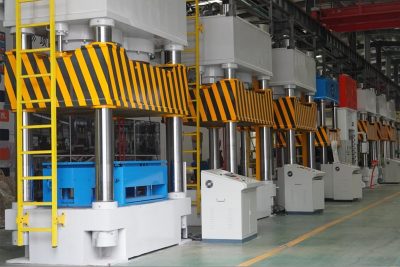
A compressed wood pallet machine is fundamentally a value converter. It takes a loose, low-value input (your wood waste) and, through an engineered process, transforms it into a solid, high-value, standardized output: molded wood pallets.
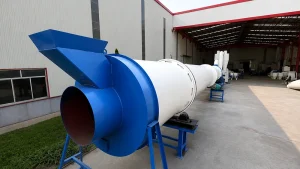
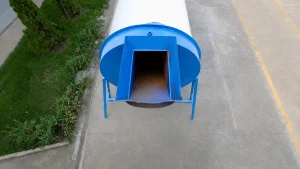
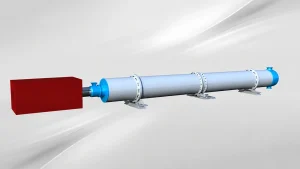
The logic is simple but powerful. The machine is engineered to work directly with the materials you currently consider a liability. It can process a vast range of inputs, including waste wood, sawdust, shavings, wood chips, and even agricultural byproducts. A full production line often includes crushers and dryers to seamlessly prepare these materials for their transformation.
Calculating the New Equation: How the Machine Creates Profit
The old equation was: Revenue – Production Costs – Waste Disposal Costs = Profit. The new equation is far more powerful.
| Factor | Financial Impact |
| Input Cost | Becomes near-zero. Your primary raw material is the very thing that is currently costing you money. This is the ultimate competitive advantage. |
| Operating Costs | Modern machines use advanced servo control systems, reducing energy consumption by 25% to 55%. A reliable hydraulic system means less downtime and straightforward maintenance. |
| Output Value | The high-temperature, high-pressure molding process creates incredibly durable, fumigation-free pallets ready for the premium international export market. You manufacture a product with clear, stable, and high demand. |
The new equation is: (High-Value Product Revenue) – (Low, Controlled Operating Costs) = A New, Significant Profit Center.
Your Factory’s New Reality
Imagine your factory floor a year from now. The corner once occupied by messy piles of waste now holds neat stacks of finished, branded pallets ready for shipment. The air is cleaner, and the workspace is safer. The sound of the compressed wood pallet machine isn’t noise; it’s the sound of a new revenue stream—a strategic asset turning a former liability into your newest success story.
Investing in this equipment is not about buying another machine. It is a fundamental business decision to stop a financial leak and open a new revenue pipeline. It is the most direct, powerful, and profitable way to finally solve your wood waste problem, once and for all.