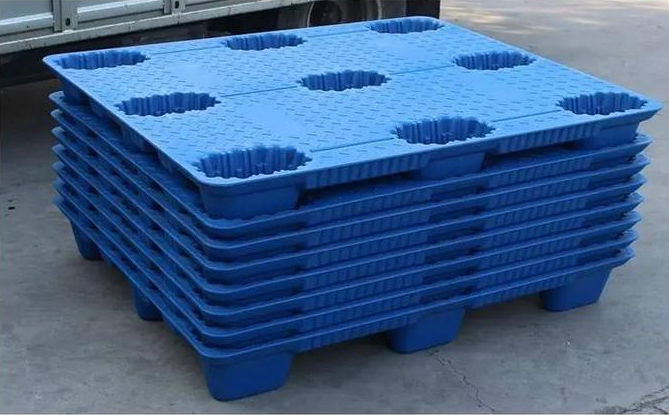
As global environmental awareness grows, reducing plastic consumption has become a critical goal for industries aiming for sustainable development. In logistics and packaging, plastic pallets have long been a standard, but their environmental impact is increasingly concerning. While durable, their production and disposal create significant challenges, as plastic is slow to degrade and difficult to recycle efficiently. This has spurred a search for greener alternatives within the logistics sector.
Molded wood pallets have emerged as an ideal solution. Made from recycled wood materials, they are recyclable, lightweight, and eco-friendly. This article explores how molded pallets serve as a superior alternative to plastic, effectively reducing plastic usage, enhancing recyclability, and helping companies achieve their green supply chain objectives.
The Environmental Downside of Plastic Pallets
Despite their strength and durability, plastic pallets pose significant environmental problems:
- Difficult to Degrade: Composed primarily of plastic, these pallets do not break down naturally, leading to long-term pollution. The complexity of their materials also results in a low recycling rate.
- Resource Depletion: Manufacturing plastic pallets consumes vast amounts of petroleum. The process also releases substantial carbon dioxide, contributing to the greenhouse effect.
- Waste Generation: With a finite lifespan, discarded plastic pallets create a massive amount of waste that persists in landfills and natural environments, causing severe pollution.
To mitigate these negative impacts, businesses are increasingly turning to more sustainable options. Molded pallets, with their eco-friendly composition and recyclability, are an excellent choice.
Advantages of Molded Pallets: Reducing Plastic and Boosting Recyclability
Cutting Down on Plastic with Recycled Wood
A key benefit of molded pallets is their use of recycled wood as a primary raw material. This means production is not dependent on petroleum resources. Instead, waste wood is repurposed, which not only conserves virgin forests but also reduces carbon emissions during manufacturing. By choosing molded pallets, companies can significantly decrease their reliance on non-degradable plastics.
| Metric | Impact of Switching to Molded Pallets |
|---|---|
| Annual Pallet Usage | 100,000 units |
| Plastic per Pallet | 1.5 kg |
| Total Annual Plastic Reduction | 150,000 kg (150 metric tons) |
Enhancing Recyclability to Drive a Circular Economy
Unlike their plastic counterparts, molded pallets are highly recyclable. At the end of their service life, they can be broken down and reformed into new pallets, minimizing waste and promoting resource circulation. This makes them an excellent choice, even as a one way pallet for export, because the material remains part of a sustainable loop. Furthermore, being made from wood fibers and eco-friendly resins, they are more readily biodegradable than plastic.
| Metric | Annual Financial Impact |
|---|---|
| Annual Molded Pallet Usage | 50,000 units |
| Recycling Value per Pallet | US$10.00 |
| Total Annual Recycling Value | US$500,000 |
Achieving a Green Supply Chain with Molded Pallets
As environmental regulations become stricter and consumer demand for sustainability grows, integrating eco-friendly materials is essential for modern supply chain strategies. Molded pallets help companies meet these goals by:
- Reducing Plastic Use: Directly cutting plastic consumption and its associated pollution.
- Ensuring Compliance: Meeting stringent international environmental standards for packaging materials, avoiding potential fines.
- Promoting a Circular Economy: The reusability of molded pallets supports efficient resource management.
| Metric | Annual Cost Impact |
|---|---|
| Annual Plastic Waste from Traditional Pallets | 200 metric tons |
| Waste Processing Cost per Ton | US$100.00 |
| Total Annual Savings with Molded Pallets | US$20,000 (by avoiding waste disposal fees) |
Conclusion: The Smart Choice for a Sustainable Future
With their use of recycled wood, lightweight design, and high recyclability, molded pallets are the ideal choice for green logistics. They are also exempt from fumigation requirements, making them a perfect one way pallet for international shipping. By choosing molded pallets, companies not only reduce plastic pollution and lower transportation costs but also strengthen their brand image and gain a competitive edge in the global marketplace.