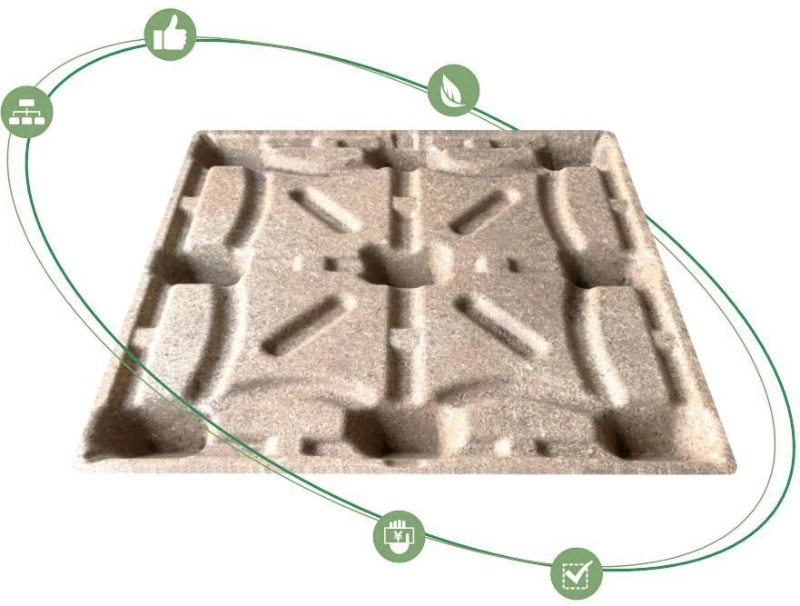
 | Stop losing sleep over “Container Rain.” In the textile and high-value export industry, humidity is the silent killer. Traditional wood acts like a sponge, but our MDI-bonded technology creates a hydrophobic barrier. Your cargo stays dry, mold-free, and ready for the showroom floor, even after 40 days at sea. |
The Short Answer: It Depends on the Glue (MDI vs. Urea)
If you are shipping garments, fabrics, or electronics, you know the smell of a container that has suffered from moisture ingress. The short answer to “do they mold” lies entirely in the chemistry of the binding agent.
Cheap Urea-Formaldehyde (UF) pallets WILL mold. They are essentially wood chips held together by a water-soluble glue. In high humidity (like a container crossing the equator), they absorb moisture, swell, and become a breeding ground for fungi.
Ampallet MDI pressed wood pallet solutions DO NOT mold. We use pMDI (Polymeric Methylene Diphenyl Diisocyanate), a medical-grade binder. Unlike traditional glues that just “stick” things together, MDI chemically reacts with the cellulose in the wood fiber to form a polyurethane chain. This creates a waterproof, cross-linked structure that is chemically inert to moisture.
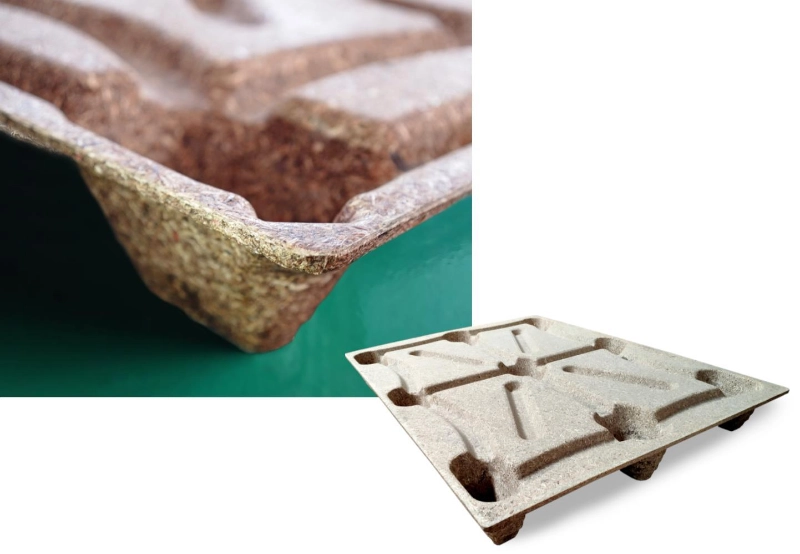
High-pressure molding with MDI creates a sealed, high-density surface impervious to moisture.
The “Sponge Effect”: Why Solid Wood Fails in Export
In the textile logistics chain, we often see “dry” solid wood pallets loaded into a container in Vietnam. By the time they reach Los Angeles, they are covered in green mold. Why?
- Capillary Action: Solid wood fibers are natural straws. Even if heat-treated (HT), the wood seeks to reach equilibrium moisture content (EMC) with the humid air inside the container.
- Condensation (Container Rain): When temperatures drop at night at sea, water vapor condenses on the container roof and drips down. Solid wood absorbs this water.
Our export pallets are manufactured at 220°C under 1600 tons of pressure. The final moisture content is driven down to less than 9% (often lower), and the MDI resin seals the fibers. Even if condensation drips on the pallet, it beads up rather than soaking in.
Data: The 24-Hour Water Soak Test
We don’t just claim water resistance; we measure it. In standard industry testing, pallet samples are submerged in water for 24 hours.
| Pallet Type | Binding Agent | 24h Thickness Swelling | Mold Risk |
|---|---|---|---|
| Ampallet Presswood | MDI (Isocyanate) | < 2% | Near Zero |
| Low-End Molded Pallet | Urea-Formaldehyde | > 15% (Disintegrates) | High |
| Solid Wood (GMA) | N/A (Natural Lignin) | Variable (Warps/Cracks) | Very High |
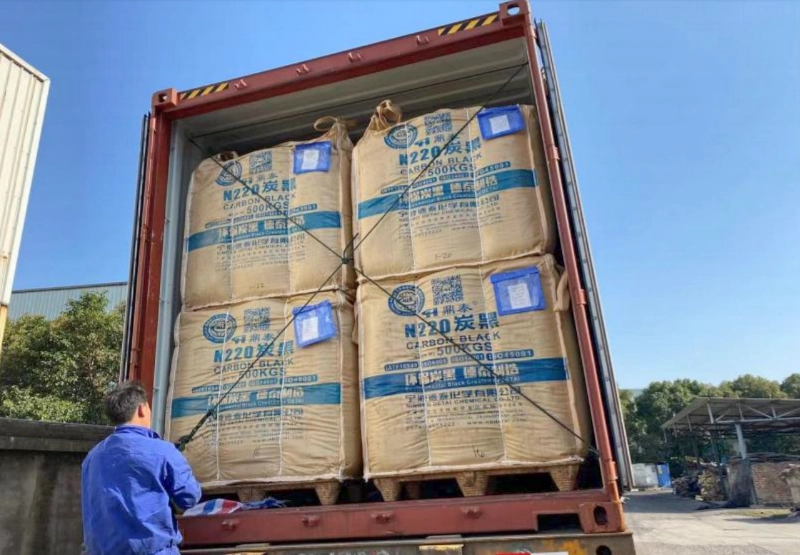
Ideal for high-density container loading where airflow is limited and moisture control is critical.
Cleanliness for High-Value Goods
Beyond structural failure, mold spores are a contamination risk. For pharmaceutical packaging or high-end retail garments, a “musty” smell upon arrival leads to immediate rejection by QC.
Because Ampallet uses a high-heat manufacturing process, the resulting ISPM 15 compliant pallet is sterile upon creation. Combined with the water-resistant MDI binder, it offers no biological nutrients for mold spores to consume, keeping your supply chain hygienic.
Frequently Asked Questions
1. Can I store these pallets outside in the rain?
While MDI pallets are water-resistant and won’t disintegrate like urea-glued pallets, we recommend covered storage. Prolonged exposure to direct standing water may cause slight surface weathering, though structural integrity remains high.
2. How does humidity affect the load capacity?
Unlike corrugated paper pallets which lose 50%+ strength in high humidity, Ampallet MDI pallets retain their stiffness. Even in tropical climates (90% RH), the static load capacity remains stable at up to 7 tons.
3. Do I need a fumigation certificate for these pallets?
No. They are classified as “Processed Wood” under ISPM 15 regulations. They are exempt from fumigation and heat treatment certification, preventing customs delays caused by paperwork errors.
4. Is the MDI glue toxic or smelly?
No. The MDI is fully cured into a chemically inert polyurethane. Our pallets are formaldehyde-free (CARB-NAF certified) and odorless, making them safe for shipping textiles and food packaging.
5. Why are your pallets better for “Container Rain” than solid wood?
Solid wood absorbs condensation, promoting mold growth. Ampallet’s high density and resin coating prevent water absorption, ensuring the pallet doesn’t become a moisture reservoir inside your container.