AutoML | Nail-Free Wooden Pallet Process for Warehouse Incident Cost Control
The Warehouse Scenario: Small Pallet Defects Create Two Safety Costs
Warehouse operators pursuing Zero Harm face a practical pallet problem: a nail, splinter, or protruding board can injure a handler and damage a carton in the same move. AutoML is a presswood pallet machine and molded pallet production line that forms one-piece, nail-free pallets with a flat surface and rounded corners, helping reduce damage exposure and support safer handling.
Why the Traditional Pallet Nailing Machine Keeps the Risk in the Flow
A Traditional Pallet Nailing Machine joins separate boards with metal fasteners, so the finished unit depends on board quality, nail placement, repairs, and inspection after repeated handling. Nail pops, broken edges, splinters, and proud boards can appear during assembly or service even when the pallet passes a basic visual check. Manual sorting removes some defective units, but it does not change the underlying process. The result is a pallet flow in which carton protection and handler safety depend on repeated intervention.
Why AutoML Fits a Nail-Free Wooden Pallet Process
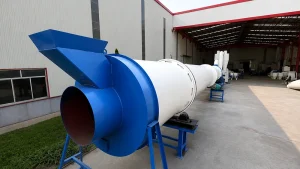
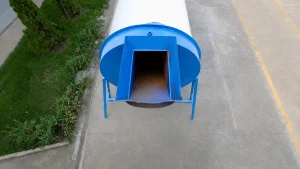
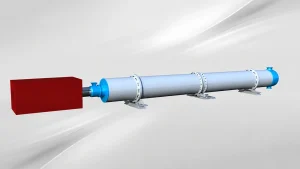
AutoML is a project-based molded pallet production line rather than a standalone press. Its configured process can connect crushing, drying, adhesive mixing, dosing and spreading, hot pressing, demolding, and stacking. The one-piece pallet press solution forms recovered wood fiber or other suitable lignocellulosic residues into a molded pallet without nail assembly, while the mold defines the deck, legs, edges, and corner geometry. A semi-automatic or automated pallet manufacturing line can be selected around labor cost, raw-material supply, plant layout, and output. That makes the presswood pallet machine a direct fit when the target is a flat, nail-free handling surface instead of another repaired nailed pallet.
Structure, Process Evidence, and the Result for Operations
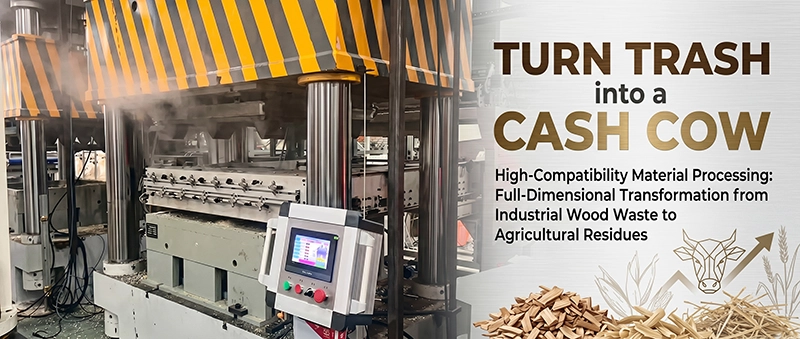
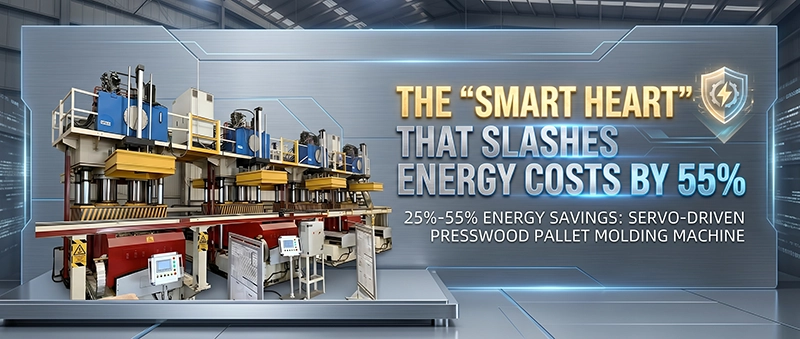
The first image shows the thermal control loop and steam release associated with hot pressing; the second shows servo-driven hydraulic control for the press system. AutoML project references commonly use 150 to 180 degrees Celsius, 15 to 20 MPa, and about 180 to 240 seconds, with 1600T class presses repeatedly referenced; final temperature, pressure, cycle, adhesive system, moisture, and mold values must be confirmed by trials and the technical agreement. The molded one-piece structure, smooth deck, and rounded corners remove nails and reduce sharp contact points at the pallet source. For warehouse and export-packaging teams, the intended result is lower carton-scratch exposure, lower hand-injury exposure, less repair and sorting pressure, and stronger evidence for safety compliance and employer reputation. Performance still depends on the selected mold, recipe, inspection, and operating discipline.
- exact root section.emp-section.emp-blog-p0.emp-blog-p0–tw-layout
- required marker emp-section present
- required marker emp-btn-primary present
- required CTA href /contact/ present