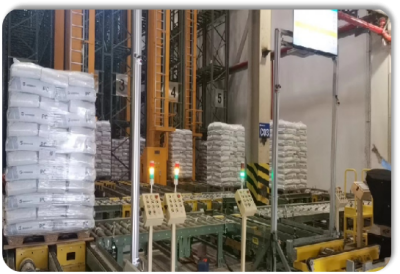
As the global supply chain evolves, businesses increasingly demand more from their warehouse management. To enhance efficiency and cut operational costs, many are turning to automated warehouse systems. These systems utilize advanced equipment like robotic forklifts, conveyors, and stackers to manage goods, dramatically improving operational speed and accuracy. In this automated environment, the choice of pallet is more critical than ever.
The presswood pallet, with its standardized design, lightweight structure, and high stacking efficiency, offers excellent compatibility with automated systems, making it an ideal choice for modern warehouses. This article explores how the presswood pallet seamlessly integrates with automated warehousing to boost efficiency, supported by specific data and case analyses.
The Demands of Automated Warehousing Systems
Modern automated warehouses require pallets with specific characteristics to function optimally:
- Standardized Dimensions: Pallets must have consistent sizing to work flawlessly with robotic forklifts and conveyor systems.
- High Stacking Capacity: Efficient stacking increases storage density and maximizes warehouse space.
- Durability and Stability: Pallets need to withstand frequent, high-speed handling without damage.
- Lightweight Construction: Lighter pallets reduce the energy consumption and wear on automated equipment.
The presswood pallet is engineered to meet these precise needs, ensuring compatibility and enhancing the overall efficiency of automated operations.
Perfect Compatibility for Peak Performance
Standardized Design for Seamless Integration
The highly standardized design of a presswood pallet ensures it fits perfectly with a wide range of automated equipment. This precise compatibility minimizes handling errors and operational delays, allowing machinery to run at peak efficiency.
Time Savings Analysis:
| Metric | Details |
|---|---|
| Time Saved per Handling Cycle | 5 seconds (by avoiding misalignment) |
| Operations per Hour | 60 |
| Total Time Saved per Hour | 300 seconds (5 minutes) |
Over a year, this seemingly small time saving per cycle accumulates into thousands of hours of increased operational productivity.
Lightweight Design for Enhanced Equipment Efficiency
A key advantage of the presswood pallet is its lightweight construction. Lighter pallets mean automated equipment consumes less energy per move, leading to significant cost savings and reduced wear and tear on machinery. This also improves the speed and responsiveness of the equipment.
Energy Savings Analysis:
| Metric | Details |
|---|---|
| Weight Reduction per Pallet | 5 kg (vs. traditional wood pallet) |
| Energy Saved per Move | 0.1 kWh |
| Operations per Hour | 60 |
| Annual Operating Hours | 5,000 |
| Total Annual Electricity Savings | 30,000 kWh |
High Stacking Capacity to Maximize Space
Warehouse space is a premium asset. The superior nestable design of the presswood pallet allows for much denser stacking when empty, dramatically improving storage space utilization. This means more goods can be stored in the same footprint, reducing overhead costs.
Space Utilization Analysis:
| Metric | Traditional Wood Pallet | Presswood Pallet |
|---|---|---|
| Pallets in Storage | 1,000 | 1,500 (in the same space) |
| Space Utilization Improvement | 50% Increase | |
This efficiency can lead to annual storage cost savings of $30,000 or more for a typical warehouse operation.
Durability and Stability for Reduced Risk
In a high-frequency automated environment, pallet durability is crucial. The presswood pallet is manufactured using a high-temperature, high-pressure molding process, resulting in exceptional strength and stability. It is less prone to damage and deformation than traditional wood or plastic pallets.
Replacement Cost Savings:
| Pallet Type | Annual Replacements | Annual Cost (@ $30/pallet) |
|---|---|---|
| Plastic Pallets | 200 | $6,000 |
| Presswood Pallets | 50 | $1,500 |
| Annual Savings | $4,500 | |
The Strategic Role of Presswood Pallets in Automation
Choosing the right pallet is a key strategic decision for optimizing an automated warehouse. The presswood pallet helps companies achieve significant improvements by:
- Improving storage space utilization through superior stacking.
- Reducing operating costs via its lightweight and durable design.
- Boosting system efficiency with standardized dimensions for seamless equipment operation.
- Lowering replacement costs due to high durability and resistance to damage.
Adopting the presswood pallet is not just about cutting costs; it’s about building a more efficient, economical, and sustainable warehouse management system for the future.