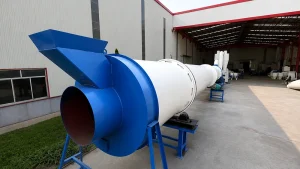
An experienced client approached us with an innovative and sustainable objective: to manufacture high-strength molded pallets using coconut shells as the primary raw material. This required a detailed analysis of product specifications, a precise raw material formula, and a complete, engineered production line. This case study outlines the technical solution provided, offering a blueprint for transforming coconut biomass into valuable, ISPM 15-compliant logistics tools.
Product Specifications: The 1200x1000mm Molded Pallet
The target product for this project was a 1200x1000mm molded pallet, a versatile size for international trade. These pallets are produced through a high-temperature, high-pressure molding process that eliminates the risk of pests or mold, making them exempt from fumigation requirements under ISPM 15 standards. A high-quality compressed wood pallet machine is crucial for this process.
- Dimensions: 1200 x 1000 x 135 mm
- Weight: 18-20 kg
- Dynamic Load Capacity: 2,000 kg
- Static Load Capacity: 7,000 kg
- Compatibility: Suitable for use with both forklifts and pallet jacks.
Engineered Production Line: A Semi-Automatic Solution
For this application, we outlined a complete semi-automatic production line. This configuration provides a balance of automation and manual oversight, making it a cost-effective and reliable choice. The following equipment forms the core of the production process.
| Equipment | Function |
|---|---|
| 1. Wood Chipper | Performs the initial size reduction of raw materials like wood and branches. |
| 2. Wood Crusher | Pulverizes chips into the fine, consistent fiber size required for pallet molding. |
| 3. Mixing Machine | Uniformly blends the dried fibers with MDI glue, with automatic, quantitative addition. |
| 4. Molded Tray Hydraulic Press | The core compressed wood pallet machine that uses high temperature and pressure to mold the fiber-glue mixture into a solid pallet. |
| 5. Mold Temperature Machine | Heats and circulates conducting oil to maintain the mold at the precise temperature for curing. |
Raw Material Formulation: Optimizing Coconut Fiber
While coconut shell provides an excellent fiber base, optimizing the final product’s toughness requires a specific formulation. The recommended ratio is 24:1 to 25:1 of dried fiber to MDI glue. To improve resilience, it is recommended to supplement the coconut fiber with other hemp-like fibers, such as wood chips or stalks.
After-Sales Commitment (Overseas)
To ensure a successful launch and long-term operation, we provide comprehensive overseas support, including on-site installation and commissioning, training and technical support, and a joint acceptance check once commissioning is complete.