In the demanding world of logistics and supply chain management, businesses are constantly seeking higher quality pallets to increase efficiency, reduce shipping times, and lower transportation costs. Compressed wood pallets, also known as presswood or molded wood pallets, have emerged as a superior solution, offering a unique combination of strength, efficiency, and sustainability.
What Are Compressed Wood Pallets?
These innovative pallets are manufactured from recycled wood by-products, including waste pallets, log shavings, sawdust, and other materials containing wood fiber. Sourced primarily from resinous trees like pine and fir, their production is an exceptionally eco-friendly process that transforms waste into a high-value logistics tool. Their unique molded design ensures they can withstand considerable load capacities while being remarkably lightweight. Furthermore, their nestable stacking capability dramatically reduces storage space and freight costs, making them a smart, strategic choice for modern businesses.
The Advanced Manufacturing Process
The manufacturing process for presswood pallets is a feat of engineering that ensures strength, durability, and compliance with international standards from the start.
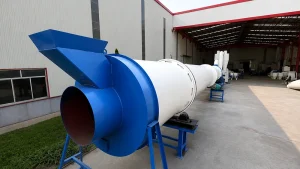
- Material Refinement: Wood by-products are first passed through a hammer mill to be broken down into smaller, uniform fibers.
- Drying: The refined material is then dried at temperatures up to 65°C (150°F) to reduce its moisture content to below 10%, a critical step for the integrity of the final product.
- Molding and Compression: After drying, the wood fibers are mixed with a special resin adhesive. This mixture is then subjected to an intense compression molding process, facing pressures as high as 85 kg/cm² (approximately 1,200 PSI) and temperatures reaching 150°C (302°F).
- Sterilization and Densification: This high-pressure, high-temperature process simultaneously kills any living plant pests and creates an incredibly dense pallet. This density makes the final product resistant to wood-boring insects, eliminating the need for further treatments.
Key Advantages of Using Timber Fiber Pallets
Engineered timber fiber pallets offer a variety of advantages that make them the ideal choice for businesses looking to optimize their shipping operations.
Space-Saving and Efficient Storage
One of the most significant benefits is their nestable design. Unlike traditional stringer pallets, molded wood pallets can be nested together, achieving a space-saving ratio of up to 4-to-1. This frees up valuable warehouse floor space and allows more pallets to be shipped in a single stack, maximizing container and trailer capacity.
Hassle-Free Global Exports
Because they are manufactured under high heat and pressure, molded wood pallets are considered “processed wood” and are therefore exempt from the IPPC’s ISPM 15 export regulations. This provides a low-cost, hassle-free way to ship goods globally without the need for additional heat treatment or fumigation, saving both time and money.
A Cost-Effective Shipping Solution
The benefits of presswood pallets translate directly to your bottom line. They are ready for export without extra certification costs. Their lightweight design reduces freight charges, and their space-saving nature lowers warehousing costs. This combination delivers significant savings in the medium to long term.
An Environmentally Responsible Choice
Our molded wood pallets are a truly sustainable solution. They are produced from recycled wood by-products and are 100% recyclable themselves. Old or damaged pallets can be shredded and remanufactured into new ones, creating a closed-loop system that significantly reduces a company’s carbon footprint.
Ideal Industries for Molded Wood Pallets
While traditional wooden pallets are susceptible to termites, bacteria, and fungi, the high-density, non-porous surface of timber fiber pallets makes them resistant to such contaminants. This provides many of the hygienic benefits of plastic pallets at a more competitive price point. As a result, they are an excellent choice for industries with high hygiene standards, such as:
- Pharmaceuticals
- Food and Beverage
- Cosmetics
Their light weight also makes them the perfect pallet for any business that relies on air freight, where every pound saved translates into significant cost reductions.
Presswood vs. Plastic Pallets: The Smarter Alternative
A common misconception is that plastic pallets are always superior to wood. While they hold advantages over traditional stringer pallets, the comparison is much different when measured against presswood pallets. In fact, presswood pallets offer many of the same key features as plastic, often with added benefits.
| Feature | Presswood Pallets | Plastic Pallets |
| Nestability | Yes, 4-to-1 space-saving ratio | Yes (for nestable models) |
| ISPM 15 Exemption | Yes, exempt by process | Yes, exempt by material |
| Eco-Friendly | 100% recyclable and made from recycled materials | Recyclable, but made from virgin or recycled plastics (fossil fuels) |
| Durability | Extremely durable and stiffer than many nestable plastic pallets | Durable but can become brittle or crack under impact |
| Price | More cost-effective | Significantly higher initial cost |
While the features of plastic pallets are attractive, they often come at a premium price. Compressed wood pallets provide the ideal combination of performance, storage efficiency, and durability at a fraction of the cost, making them the superior choice for businesses seeking both quality and value.