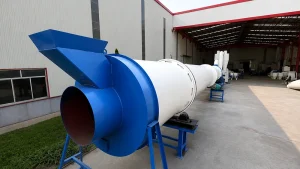
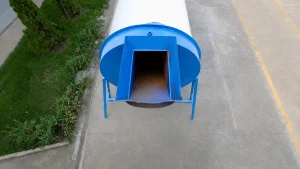
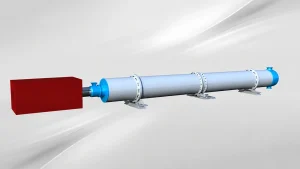
Automated Pallet Manufacturing Line
Where the pain lands first: high-automation sites and the pools that serve them
Downstream intralogistics has outrun the pallet. Where an automated pallet manufacturing line feeds ASRS cranes, robotic forklift lanes and high speed sorters, a 2 mm warp, a proud splinter or a missing corner block is not a cosmetic defect: it is a sensor alarm, a stopped lane and a service call. Pool operators and in-house fleets absorb that cost twice, once when a unit is rejected at the customer dock and again when the repair bench cannot keep pace with a tightening inspection standard. This note sets out why a molded pallet program changes the unit itself, and which numbers on the floor back the claim.
Why a nailed stringer pallet and the repair bench run out of room
A nailed wood pallet is a stack of separate parts held by friction, so its geometry moves with moisture, temperature and handling. Deckboards cup, stringers crack, blocks go missing and splinters stand proud after a few cycles, and a unit that was inside spec on the first trip is a sensor fault on the second. Automated pallet manufacturing lines simply removed the human buffer that used to absorb those defects, because there is no operator to nudge a crooked pallet into place. The consequence hits the service side: inspection criteria tighten, the number of repair parts consumed per pallet rises, and repair capacity and skilled labour become the binding constraint rather than demand. That is not a theoretical risk. In 2026 a global pool operator absorbed roughly USD 60 million of single quarter profit pressure tied to constrained repair capacity plus stricter automation driven quality requirements, and had to buy about 2 million new pallets at short notice to cover the shortfall. A traditional pallet nailing machine or a used pallet press machine does not fix that; it reproduces the same part tolerance and the same repair queue.
Why a presswood pallet machine fits an automation spec
The mechanism is different from nailing, and that is the whole point. A wood pallet making machine of this class combines a GEO style automatic spreading station with a 1600T dual cylinder hydraulic press, and it forms each unit in one shot: weighed fibre and binder are dosed into a machined steel mold, then pressed and cured as a single piece. Because the geometry comes from the tool rather than from the assembly of separate boards, size, mass and deck height repeat in the ±1 mm class unit after unit, and a molded pallet cannot lose a block or grow a splinter because there are no nails, no joints and no exposed board edges to work loose. On the logistics side the same nail free wooden pallet process supports nestable pallet manufacturing, so empty units stack into far less trailer and warehouse volume on the return leg. Because the pallet is a hot pressed processed wood product rather than solid wood, it also gives export packers a fumigation free pallet machine route inside an existing ISPM-15 exempt pallet equipment position, without adding kiln capacity.
Structure, parameters and the evidence on the floor
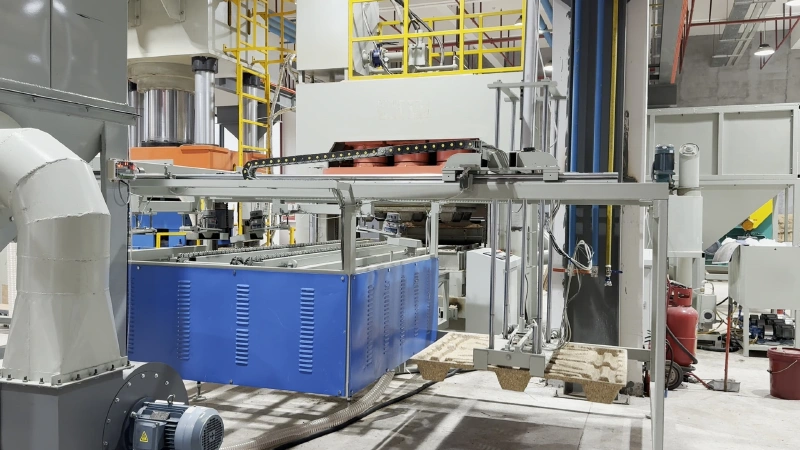
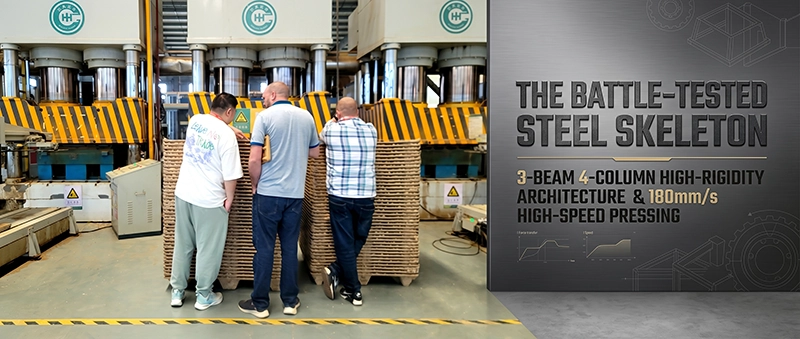
The frame is a three beam four column welded steel structure sized for the tonnage, and the press runs at 15 to 20 MPa and 150 to 180 degrees Celsius with a cycle of roughly 180 to 240 seconds, producing a board density of 0.8 to 1.2 g per cubic centimetre. Standard mold sizes cover 1000×1000, 1100×1000, 1200×1000 and 1219×1016 mm, with custom molds for heavier load classes. Two images from the line are worth reading closely. The first shows the servo take-out arm drawing a freshly cured pallet straight out of the heated tooling, which is where a molded unit either comes out flat and square or does not come out at all, because a warped or under cured pallet cannot be held by a demolding grabber. The second pairs the pressing force and displacement curve logged on the controller with stacked finished pallets under inspection, so the documented parameter set and the physical result are checked against each other rather than asserted. Weighed dosing plus a fixed mold plus a logged cycle is what removes the manual judgement that used to sit between a pallet and a customer claim. The commercial result follows the hardware: no more credit notes for out of tolerance units, no additional repair spend triggered by a tighter inspection standard, and a pallet population that a high automation flow can take directly without a sorting or rework step in front of it.
- Customer and scenario named first: robotic forklift lanes, ASRS aisles and high speed sorters, plus pool operators and export packers
- Old method problem stated with its cost evidence: nailed stringer pallets, rising repair parts per unit, and the 2026 USD 60 million quarter with about 2 million replacement pallets
- Fit reason anchored on the GEO automatic spreader plus 1600T dual cylinder hydraulic press forming each pallet in one shot
- Structure, parameters and two on-floor images included, closing on the customer result: no tolerance credit notes, no extra repair spend, automation ready flow