For decades, creating a wooden pallet has followed a familiar path: source timber, cut it, arrange the pieces, and nail them together. This multi-step, labor-intensive process is so established that it’s rarely questioned. But what if this entire method is no longer the most logical, efficient, or profitable way to manufacture pallets? The advent of the high-pressure molding machine introduces a completely different manufacturing philosophy: a strategic shift from fragmented assembly to integrated formation.
The Flaws of the Traditional Assembly Line
The conventional method for making pallets is a sequence of separate steps, each with its own inefficiencies. The process begins by breaking down timber, which is inherently wasteful. An operator must then manually arrange dozens of components, making speed and accuracy entirely dependent on worker skill. Finally, fastening with nails creates numerous stress points, and the final product’s strength is subject to variables like nail placement and wood quality. This fragmented model is labor-intensive, material-inefficient, and produces a product of inconsistent quality.
Integrated Formation: The Molding Machine Advantage
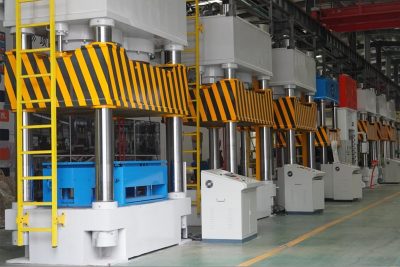
A compressed wood pallet machine abandons the “cut and assemble” philosophy. It forges a finished product in a single, unified action. The process begins with reclaimed wood fibers—the very sawdust and chips the traditional method discards. This material is automatically formed in a high-precision mold. Immense pressure and heat are then applied, compressing the fibers and forming the entire pallet into a single, monolithic piece with no nails or joints. This integrated model is highly automated, material-efficient, and produces a product of superior, uniform quality.
Side-by-Side Comparison: Two Manufacturing Philosophies
| Performance Metric | Traditional Assembly Line (Fragmentation) | Molding Machine (Integrated Formation) |
| Primary Input | Sized timber planks and blocks | Reclaimed wood fibers (sawdust, chips) |
| Material Efficiency | Significant waste (sawdust, offcuts) | Near 100% utilization (uses “waste”) |
| Labor Requirement | High; multiple operators for cutting, assembly, fastening | Low; can be highly automated |
| Process Steps | Multiple, sequential steps (cut, align, nail, inspect) | A single, integrated process (form, press, eject) |
| Output Consistency | Variable; dependent on operator skill and component quality | High; determined by machine precision |
| Structural Integrity | Lower; dozens of failure points (nails, joints) | High; monolithic structure with no fasteners |
An Evolutionary Leap in Production
The compressed wood pallet machine is not just an upgrade—it’s a replacement for the entire traditional assembly line. It represents a fundamental shift from a labor-dependent craft to a data-driven industrial process. For manufacturers looking to scale, improve quality, and build a more efficient and sustainable operation, the path of integrated formation is the future of production.