Drum Chipper Sizing for Small Wood Recyclers
The 10–50 person wood recycler and the European chipper quote that will not close
A 10–50 person wood recycler running on thin margins cannot close a European industrial chipper quote from Andritz, Bruks, or Vecoplan — the machine is right, but the size, the price, and the project-based sales process are all wrong for the volumes they actually chip. This piece looks at how a drum type wood log chipper machine built on a Chinese manufacturing base, with three right-sized capacity tiers and an option to buy single-machine or full-line, lets a small recycler put a stationary electric chipper on the floor without paying the European industrial premium.
A wood log chipper machine in three right-sized capacity tiers
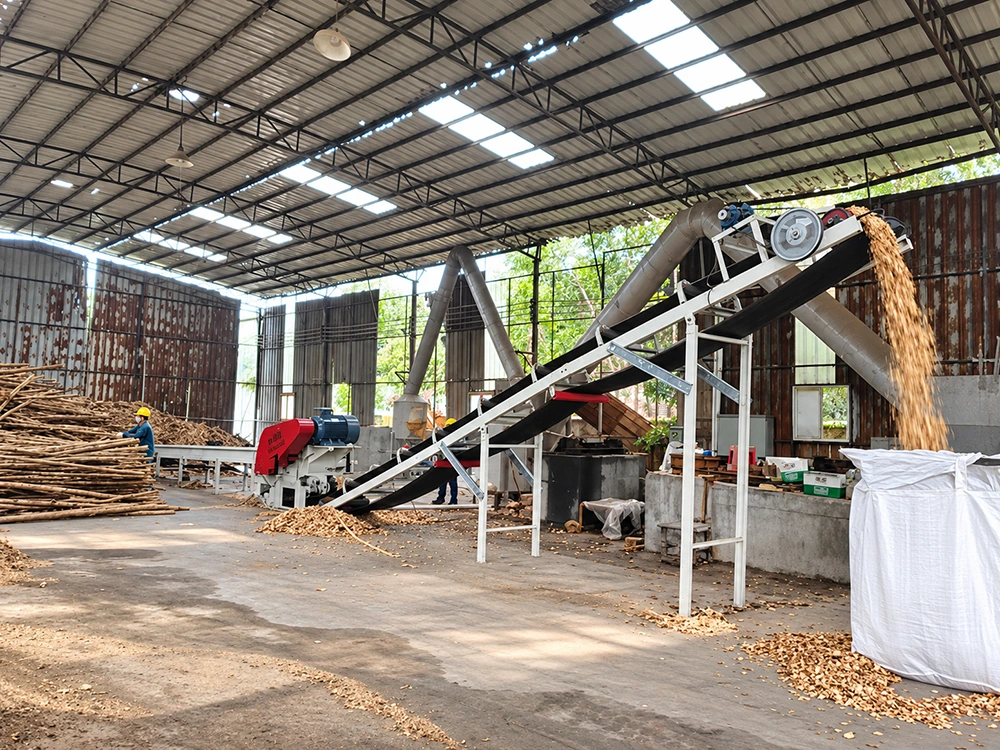
The fix is to right-size the chipper to the actual volume curve, on a manufacturing cost base that does not carry a transatlantic engineering premium. A drum type wood log chipper machine on a Chinese build sheet is offered in three capacity tiers that map cleanly to the way a small recycler actually grows. The first tier is 4–5 t/h, on a 45 kW main motor, and it is the entry point — one machine, one operator, one inclined belt conveyor dropping chips into a bulk bag or an open trailer. The second tier is 6–8 t/h, on a 55 kW main motor, and it is the most common fit for a 10–50 person operation that has outgrown outsourcing and now self-supplies chips for a downstream pellet press, a particleboard line, or direct sale to a local biomass plant. The third tier is 8–12 t/h, on a 110 kW main motor, and it is the step taken when the chip line has stopped being a waste-handling cost centre and started being a second revenue stream. All three tiers are stationary, electric-driven, three-phase, and sold either as a single drum wood chipper with feed roller and discharge conveyor, or as a full chip preparation line that pairs the chipper with a downstream hammer mill, dryer, and storage bin. The full-line option keeps the supplier as a single point of accountability for chip spec, throughput, and commissioning — which matters for a buyer who does not have a project engineering team on staff.
Drum chipper structure, parameters, and what the line actually looks like
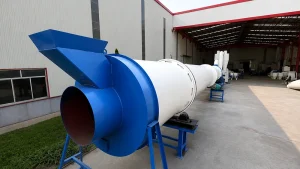
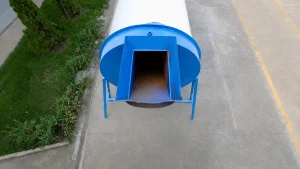
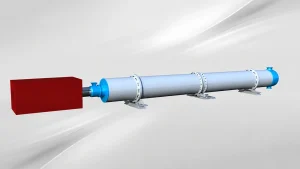
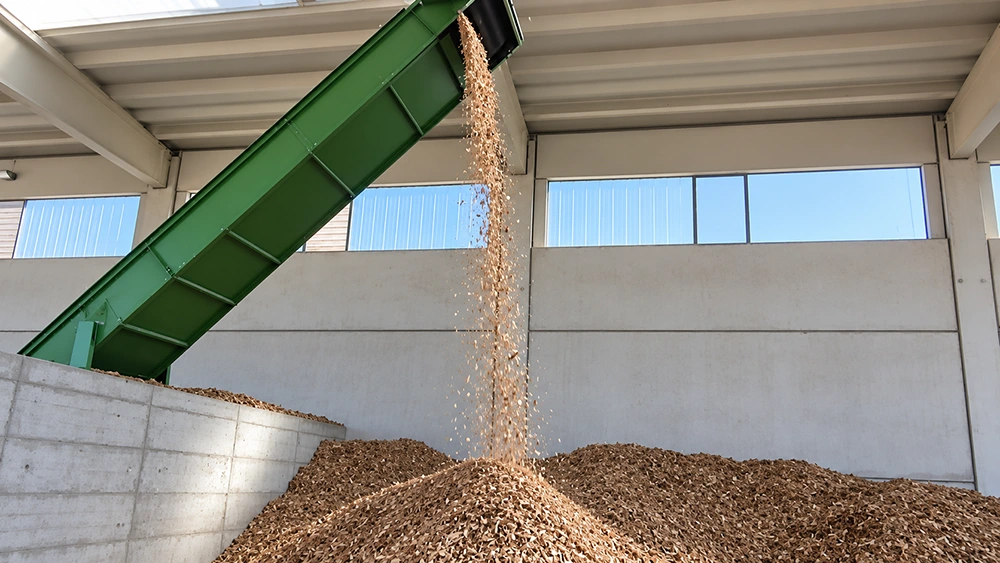
The drum wood chipper itself is a welded steel housing with a horizontal chipping drum, alloy steel fly knives running against a bed knife, and a hydraulic feed roller that pulls logs, slabs, and branchy material into the cut at a controlled rate. Feed inlet is sized in the 215–218 mm class, which covers the diameter range a recycler will actually see on the yard. Chip length is adjustable in the 30–35 mm band — that is the spec a downstream hammer mill and pellet press want for stable grinding power and stable press throughput. Hydraulic auto feeding removes the operator from the infeed hazard zone and keeps the rotor load flat through varying log diameters. The discharge conveyor drops chips into a bulk bag, an indoor storage bay, or directly into a customer truck. The line is delivered with on-site commissioning by an installation engineer, an English-language operation manual, and the wear-parts package a two-shift recycler needs for the first year of running — chipper blades, screen mesh, bearings, belts. The two reference images below show the working layout: the first is a stationary drum chipper on its steel base, with inclined belt conveyor and dust ducting, discharging into a bulk bag for biomass sale. The second is the same type of line viewed from the discharge end, with the conveyor pouring a steady stream of 30–35 mm wood chips into an indoor storage bay — the exact visual that a recycling buyer needs to see before they sign off on capex.
Payback period and what changes on the floor after install
The capex case for a small recycler is arithmetic, not marketing. Outsourced wood waste disposal on a 10–50 person scale is a per-ton tipping fee paid every week, plus the lost upside on the same tonnage sold as chips. A drum wood chipper installed at the 6–8 t/h tier, on a Chinese manufacturing base, typically pays back the equipment cost on disposal-fee avoidance alone inside 18 to 30 months. Add the chip-sale margin to a local pellet plant, particleboard mill, or biomass fuel buyer, and the line clears its capex faster. What changes on the floor after the chipper is in: the hauler's truck stops coming twice a week, the waste line becomes a chip line, the wood yard stops being a cost centre and starts being a second product. The recycler buys one wood log chipper machine on a mid-tier budget instead of one European industrial chipper on a project-budget quote, and the throughput is sized to the volumes they actually run rather than to the throughput a European reference plant needs to justify its own engineering overhead. For a 10–50 person recycler whose tagline is cost-effective, that is the only way a chipper purchase survives the capex meeting. Request the 6–8 t/h configuration, the full-line layout option, and the commissioning window through the contact page below.
- wood log chipper machine
- drum wood chipper
- 6-8 tph wood chipper
- /contact/