Are empty wooden pallets eating up your chemical plant’s valuable floor space? In bulk material logistics, every square foot occupied by a stack of bulky, non-nestable pallets is space stolen from high-value PVC resins, carbon black ton bags, or 208L chemical drums. It’s time to eliminate warehouse clutter, stop punctured bags caused by popped nails, and drastically cut your reverse logistics costs.
The Warehousing Nightmare in Chemical & Bulk Raw Material Plants
If you manage logistics for a chemical manufacturing facility or a bulk agricultural processing plant, you are intimately familiar with the “pallet footprint” problem. Traditional GMA solid wood pallets are inherently rigid and non-nestable. When unloaded, a stack of just 20 wooden pallets towers at 2.7 meters (approx. 106 inches), creating unstable, hazardous columns that clog your loading docks and finished goods staging areas.
Beyond the severe loss of spatial efficiency, these traditional carriers introduce mechanical risks. Fluctuations in moisture cause wood to warp, leading to popped nails and splintered boards. When you are stacking heavy FIBCs (Flexible Intermediate Bulk Containers) or double-stacking 208L liquid drums, a single protruding nail can puncture a bag of mineral sands or cause a drum to tilt, leading to catastrophic chemical leaks and expensive cleanup protocols.
The Physics Behind 70% Storage Space Savings
The solution to this spatial inefficiency lies in the geometric redesign of the pallet structure itself. By switching to a compressed wood pallet, chemical plants can instantly reclaim their warehouse capacity.
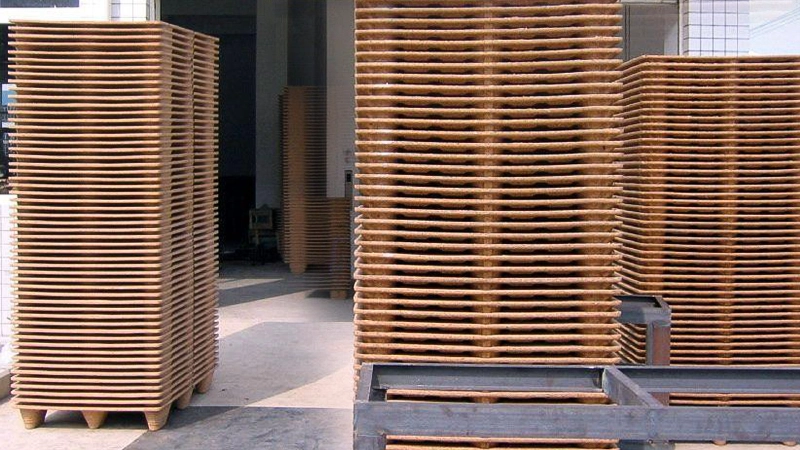
Our pallets feature a patented Inverted Cone Design on their nine support legs. This allows the legs of the upper pallet to nest perfectly into the hollow slots of the pallet beneath it. The mathematical advantage is undeniable: a 4:1 nesting ratio. In a standard warehouse corner where you previously stored 50 solid wood pallets taking up 5.4 meters of vertical space (often requiring two separate stacks), you can now store 50 nested molded pallets in a single, stable stack just 2.1 meters (82 inches) high. Your dedicated pallet storage area shrinks from 150 square meters down to just 40 square meters.
| Metric | Traditional GMA Wood Pallet | Ampallet Molded Pallet |
| Stacking Height (20 units) | 2.7 Meters (106 inches) | 0.75 Meters (29.5 inches) |
| Weight (per unit) | ~48 lbs | ~28 lbs (60% Lighter) |
| Surface Design | Nailed boards (High puncture risk) | One-piece flat (Zero puncture risk) |
Heavy-Duty Performance for Ton Bags and Chemical Drums
Space savings mean nothing if the pallet cannot handle the brutal weight of chemical logistics. Unlike cheap alternatives, our molded wood pallets are manufactured using a 1600-ton servo-controlled hydraulic press. This high-pressure, one-piece construction process fuses wood fibers with a premium MDI adhesive, creating a structural integrity that easily handles a 2.5-ton (5,500 lbs) dynamic load.
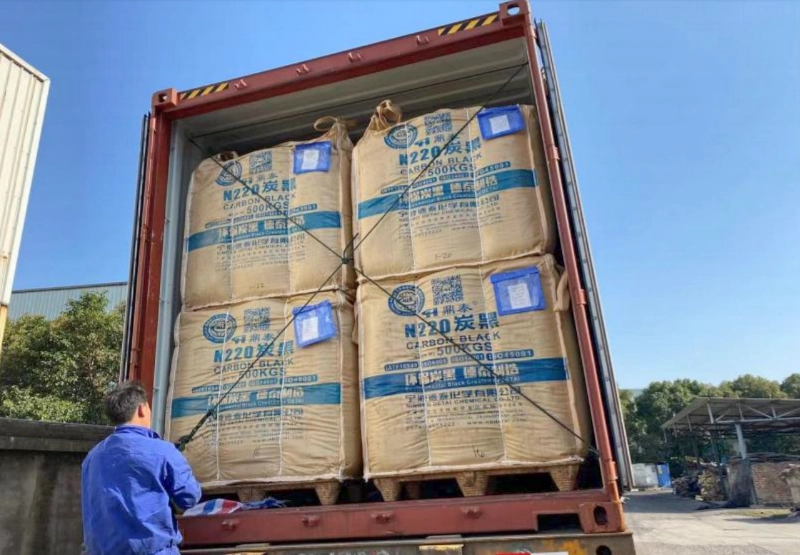
For procurement managers dealing with bulk liquids or powders, the flat, nail-free surface is a game-changer. When double-stacking ton bags of carbon black or heavy chemical drums, traditional wooden pallets often suffer from internal stress, causing the bottom boards to bow and point-pressure to damage the lower cargo. Our one-piece molded design evenly distributes the payload, completely eliminating the risk of packaging rupture caused by structural deflection.

Slashing Export Costs with ISPM 15 Exempt One-Way Pallets
When shipping high-value chemical resins or agricultural additives overseas, border delays can disrupt your entire supply chain. Heavy plastic pallets are far too expensive (often $40-$120 each) to be used as a one way pallet, forcing exporters to rely on wood. However, solid wood requires strict heat treatment and fumigation certificates to pass customs.
Because our export pallets are manufactured under 220℃ high heat and extreme pressure, they are internationally classified as “processed wood.” This grants them natural ISPM 15 compliance. They require zero fumigation and zero stamping, ensuring your containers of N220 carbon black or polyethylene pass through European and North American ports without quarantine delays.
Furthermore, the MDI polyurethane molecular chain makes these pallets highly resistant to moisture. Even during humid ocean transits to Southeast Asia, they maintain their 7-ton static load capacity without swelling, delaminating, or developing mold—protecting your sensitive chemical cargo from environmental contamination.
Frequently Asked Questions (FAQs)
1. How exactly do compressed wood pallets achieve such high storage space savings?
They utilize a patented nestable design with inverted cone legs. When empty, the legs of one pallet slide into the hollows of the one below it. This allows 50 pallets to stack just 2.1 meters high, reducing your empty pallet storage footprint by up to 70% compared to traditional non-nestable wooden pallets.
2. Are these pallets strong enough to double-stack 208L chemical drums?
Yes. Manufactured under 1600 tons of hydraulic pressure, they boast a dynamic load capacity of 2.5 tons and a static load of 7 tons. Their one-piece flat surface eliminates the internal stress points that cause traditional pallets to bow, ensuring stable and safe double-stacking for heavy drums and ton bags.
3. Will the pallet surface puncture our FIBC ton bags?
Absolutely not. The one-piece molding process completely eliminates the need for nails, staples, or screws. The surface features smooth, rounded corners and a dense, flat texture, reducing packaging tear and cargo damage rates by approximately 18%.
4. Do these pallets require fumigation before exporting chemical products?
No. Because they are molded under high heat (220℃) and pressure, they are globally recognized as “processed wood.” This makes them naturally exempt from ISPM 15 regulations, meaning no fumigation, no heat treatment certificates, and zero customs quarantine delays.
5. How does the cost compare to heavy-duty plastic pallets for one-way shipping?
Our molded pallets offer the structural safety of plastic but at roughly 1/3 of the initial procurement cost. This makes them the ultimate, cost-effective one way pallet for international chemical and bulk material exports where returning the pallet is financially impossible.