As globalization deepens, navigating cross-border trade and logistics has become a critical part of the global supply chain. Countries have tightened their supervision of imports and exports, requiring companies to comply with strict standards, especially for wooden packaging materials. For many businesses, cross-border compliance is a major challenge, as pallets that fail to meet international standards can lead to cargo detention, rejected shipments, and significant fines. Excellent wooden pallet alternatives are essential for smooth operations.
So, how can molded pallets help your company meet these cross-border requirements and avoid unnecessary delays and costs? This article explores how molded pallets comply with ISPM 15 and other international standards, helping you clear customs and ensure seamless logistics in global trade.
1. Overcoming Compliance Challenges in Global Trade
In international trade, many countries have stringent quarantine and fumigation requirements for wood packaging. Because natural wood can carry pests and pathogens, wooden pallets must typically undergo fumigation or heat treatment to eliminate potential biological threats.
- Fumigation Costs: Treating traditional wooden pallets incurs additional fees and requires extra time, increasing overall logistics costs.
- Quarantine Delays: If wooden pallets fail to meet a country’s quarantine standards, your goods may be detained, reprocessed, or even refused entry, leading to delays and potential fines.
- Environmental Concerns: The production of wooden pallets contributes to deforestation and faces increasingly strict environmental regulations worldwide.
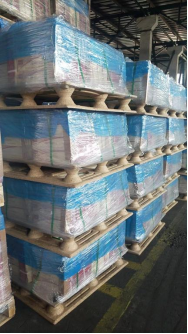
Molded pallets, made from recycled wood fibers, are exempt from these fumigation and quarantine requirements. They are compliant with the ISPM 15 international standard by design, eliminating the time delays and additional costs associated with treating wooden pallets.
Case Study: A U.S.-based e-commerce company ships 1,000 pallets internationally per year. If the fumigation cost for each wooden pallet is $25, the total annual cost would be $25,000. By switching to molded pallets, the company can completely eliminate this expense and allocate the savings to other operational needs.
2. Meeting ISPM 15 Standards for Global Access
The ISPM 15 (International Standards for Phytosanitary Measures No. 15) standard is one of the most critical compliance requirements in cross-border logistics. It mandates that all wood packaging materials be treated to prevent the spread of pests. As effective wooden pallet alternatives, molded pallets are manufactured using a high-heat and high-pressure process, which inherently makes them compliant and exempt from further treatment.
- No Fumigation Required: Molded pallets simplify international shipping by meeting ISPM 15 standards without needing costly and time-consuming fumigation.
- Environmentally Friendly: Made from recycled wood materials, they align with global demands for sustainable and green logistics solutions.
- Smooth Customs Clearance: Because they are ISPM 15 compliant, molded pallets pass customs inspections easily, preventing the detentions and fines often associated with non-compliant pallets.
Case Study: A shipment of 100 traditional wooden pallets fails a fumigation inspection at the port. The cargo is detained for a day, incurring a fee of $500. The total cost of this delay is $50,000. By choosing molded pallets, the company could have avoided these uncertain expenses, ensuring on-time delivery and improving logistics efficiency.
3. Reducing Your Environmental Footprint
As global environmental awareness grows, choosing sustainable logistics tools is more important than ever. Molded pallets are a green packaging solution that utilizes recycled wood and an efficient production process, reducing the need for virgin timber and minimizing environmental impact.
- Reduced Deforestation: By using recycled wood fibers, molded pallets help conserve natural resources and protect forests.
- Recyclable: These pallets can be recycled and reused at the end of their life cycle, reducing waste and supporting a circular economy.
- Compliance with Green Standards: In addition to ISPM 15, molded pallets meet the environmental packaging requirements of major markets like the EU and the United States.
By choosing molded pallets, your company not only reduces operational costs but also fulfills its corporate social responsibility, enhancing its brand image and market competitiveness.
Summary: Your Path to Compliant and Efficient Global Trade
Molded pallets help companies ensure compliance in cross-border logistics, avoiding unnecessary delays and costs. Their ISPM 15 compliance, fumigation-free nature, and eco-friendly materials make them an ideal choice. By choosing molded pallets, businesses can achieve faster customs clearance, reduce logistics costs, and enhance their brand image in the global marketplace. In today’s stringent international trade environment, they are the superior choice for compliant and green logistics.