As global supply chains grow more complex, effective warehouse management is more critical than ever. The core goals of modern logistics are to manage inventory accurately, improve cargo tracking, reduce error rates, and boost overall efficiency. To achieve this, companies are increasingly adopting automation and digital technologies to optimize their operations. In this high-tech environment, the pallet has evolved from a simple handling tool to a key component of an intelligent warehousing system.
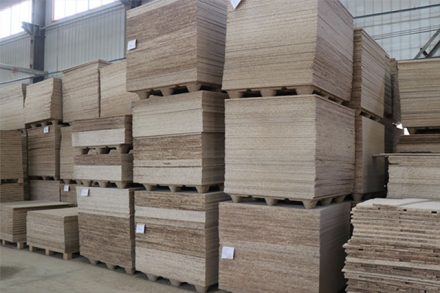
The presswood pallet, with its standardized design, lightweight structure, and high load-bearing capacity, is an indispensable part of this transformation. This article explores the innovative applications of the presswood pallet in cargo tracking and warehouse management, analyzing how it enhances efficiency, reduces errors, and delivers tangible value.
The Challenges of Modern Warehouse Management
The rapid growth of e-commerce and global trade has introduced several key challenges for warehouses:
- Inventory Inaccuracy: Manual record-keeping often leads to discrepancies, misplaced goods, and stockouts.
- Information Delays: Manual data entry and communication create information lags that hinder effective decision-making.
- Lost or Damaged Goods: Poor management and inefficient use of space can result in product loss and damage.
- Human Error: Manual operations are prone to errors, leading to incorrect storage and shipments that disrupt the supply chain.
Intelligent tools and automation are essential to overcome these hurdles, and the presswood pallet is a foundational element in this modern approach.
Enhancing Cargo Tracking for Total Transparency
Real-time cargo tracking is the key to an efficient and accurate warehouse. The standardized and durable nature of a presswood pallet makes it perfectly suited for integration with smart technology, dramatically improving inventory transparency.
Its standardized design ensures seamless compatibility with IoT devices like QR codes and RFID tags. By embedding these trackers, a warehouse management system (WMS) can monitor the precise location and status of every pallet in real time, eliminating the guesswork and errors associated with manual checks.
Cost Savings from Reduced Errors:
| Metric | Traditional Manual System | Presswood Pallet with RFID |
|---|---|---|
| Annual Operations | 50,000 | 50,000 |
| Error Rate | 1% (500 errors) | Reduced by 50% (250 errors) |
| Cost per Error | $100 | $100 |
| Annual Loss Reduction | $25,000 | |
Optimizing Warehouse Space with Innovative Design
Efficient space utilization directly impacts a company’s bottom line. The high stacking capacity and lightweight design of the presswood pallet are engineered to maximize storage density.
- High Stacking Capacity: The nestable design allows empty pallets to be stacked tightly, minimizing gaps and freeing up valuable floor space.
- Lightweight Construction: Lighter pallets reduce the physical strain on workers and the energy consumption of automated systems like robotic forklifts.
Cost Savings from Space Optimization:
| Metric | Details |
|---|---|
| Stacking Efficiency Improvement | 50% (can store 1,500 pallets in the space of 1,000 wood pallets) |
| Additional Storage Space Created | 500 cubic meters |
| Annual Rent Savings (@ $20/m³) | $10,000 |
Seamless Integration with Automated Systems
In a smart warehouse, compatibility is key. The standardized design of the presswood pallet ensures it works flawlessly with automated guided vehicles (AGVs), robotic arms, and conveyor systems. This reduces reliance on manual labor, minimizes human error, and dramatically increases the speed and efficiency of put-away and retrieval tasks.
Labor Savings from Automation:
| Metric | Manual Operation | Automated System with Presswood Pallets |
|---|---|---|
| Time per Operation | 10 minutes | 5 minutes |
| Annual Time Saved (10,000 ops) | 50,000 minutes (833 hours) | |
| Annual Labor Cost Savings (@ $20/hour) | $16,660 | |
Driving Innovation in Warehouse Management
The presswood pallet is more than just a platform for goods; it is a catalyst for warehouse innovation. By integrating it into your operations, you can:
- Improve Cargo Tracking Efficiency with real-time data for complete inventory accuracy.
- Optimize Space Utilization to reduce storage costs and increase capacity.
- Boost Operational Efficiency through seamless compatibility with automation.
By leveraging these advantages, businesses can reduce costs, minimize risks, and gain a significant competitive edge in the global market.