As global attention turns toward environmental protection, green logistics has become a central part of corporate sustainability strategies. The focus is on reducing carbon footprints, improving resource utilization, and adopting eco-friendly packaging. As an efficient and environmentally friendly logistics tool, the presswood pallet plays a crucial role in helping companies achieve their green supply chain objectives. This article explores how its unique characteristics, from resource recycling to emissions reduction, promote green logistics and create a win-win for both economic and environmental performance.
The Challenges and Demands of Green Logistics
Green logistics aims to minimize environmental impact by optimizing transportation, warehousing, and packaging. In today’s market, companies face several key challenges:
- Carbon Emission Control: Logistics is a major source of global carbon emissions, and businesses are under pressure to reduce their footprint without sacrificing efficiency.
- Environmental Regulations: Many countries now mandate the use of recyclable and biodegradable materials in packaging, while restricting single-use plastics.
- Resource Maximization: Businesses must find ways to reduce material waste and improve the reuse and recycling rates of their logistics assets.
Choosing an environmentally friendly pallet is a critical step in this process. Made from recycled wood, the presswood pallet meets regulatory requirements while helping companies reduce costs and advance their green initiatives.
Eco-Friendly Features of Presswood Pallets
Recycled Wood: Reducing Reliance on Virgin Resources
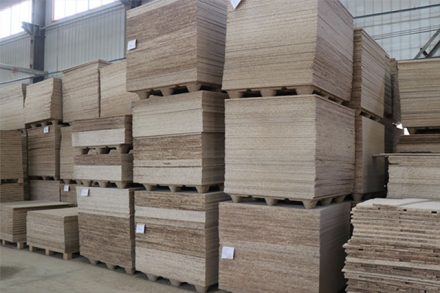
The primary material for a presswood pallet is recycled wood. This approach significantly reduces the demand for virgin timber, helping to combat deforestation. By using recycled resources, the production process is inherently more environmentally friendly and aligns with the principles of a circular economy.
Environmental & Cost Savings from Recycled Wood:
| Metric | Details |
|---|---|
| Annual Wood Consumption Reduction | 50% (50,000 cubic meters saved) |
| Annual Wood Procurement Cost Savings (@ $50/m³) | $5,000,000 |
Lightweight Design: Lowering Carbon Emissions in Transit
The lightweight design of a presswood pallet is another key environmental benefit. Lighter than traditional wood and plastic pallets, they require less fuel to transport, which directly reduces carbon emissions.
Fuel & Cost Savings from Lightweight Design:
| Metric | Details |
|---|---|
| Weight Savings per 100,000 Pallets | 50 tons (vs. 20kg wood pallets) |
| Annual Fuel Cost Savings | $5,000 |
Meeting Environmental Regulations with Ease
As environmental standards become stricter worldwide, using compliant materials is essential. The presswood pallet is designed to meet these modern requirements. It is fully compliant with the ISPM 15 international standard, which means it does not require chemical fumigation—a process that can be harmful to the environment. This makes it an ideal choice for hassle-free international shipping.
Compliance Cost Savings:
| Item | Details |
|---|---|
| Annual Fumigation Costs (Wood Pallets) | 10,000 pallets x $25/pallet |
| Total Annual Savings with Presswood Pallets | $250,000 |
Contributing to the Circular Economy
The lifecycle of a presswood pallet aligns perfectly with the principles of a circular economy. At the end of its useful life, the pallet can be fully recycled and its materials can be used to manufacture new pallets. This closed-loop system minimizes waste and ensures that resources are used to their maximum potential.
Economic Returns from Recycling:
| Item | Details |
|---|---|
| Annual Pallets Recycled | 100,000 |
| Recycling Value per Pallet | $10 |
| Total Annual Recycling Value | $1,000,000 |
Promoting Green Logistics and Sustainable Development
The presswood pallet is an ideal tool for driving green logistics. By using this solution, companies can achieve significant improvements in several key areas:
- Reduced Carbon Emissions: Lowering energy consumption in transit through a lightweight and efficient design.
- Compliance with Regulations: Meeting global environmental standards and green supply chain requirements with a fumigation-free product.
- Resource Recovery: Supporting a circular economy with a fully recyclable pallet made from recycled materials.
Choosing a presswood pallet is a strategic move that reduces logistics costs, improves efficiency, and enhances a company’s brand image as a leader in sustainable development.