In procurement, we live by our KPIs. One of the most satisfying moments is reporting to the CFO that you’ve hit cost-reduction targets. A common scenario: by aggressive negotiation, you shave 5% off your standard wooden pallet price. On paper, it’s a clear victory saving tens of thousands.
But what if this “victory” is an illusion? What if that 5% saving actually costs your company 15% more in total logistics expenses?
The issue stems from a dangerous corporate blind spot: we measure component prices but ignore true costs. This Pallet Trap distracts us from larger operational expenses with a myopic focus on per-unit price. To escape it, we must replace “price-per-unit” metrics with holistic Total Cost of Ownership (TCO) analysis.
The Three-Tiered Reality of Pallet TCO
Tier 1: The Visible Invoice Cost
This is the line item everyone sees. You negotiate a $25 solid wood pallet down to $23.75 – the celebrated 5% saving. But as our analysis shows, this represents less than half the true cost equation.
Tier 2: The Hidden Dock Costs
These tangible costs manifest before pallets leave your facility:
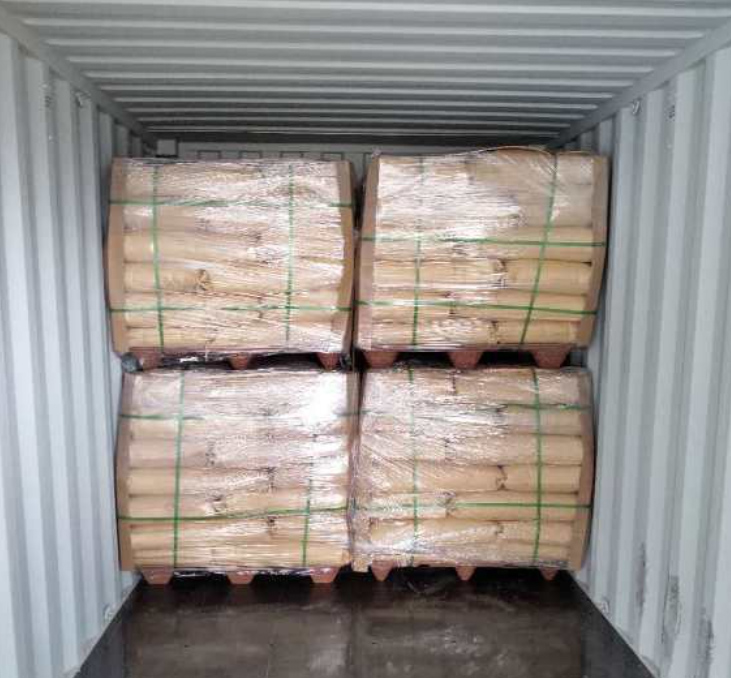
- Inbound FreightSolid wood pallets can’t nest, consuming excessive space. A 40-foot container holds ~450 traditional pallets versus 1,650 molded wood pallets designed for nesting. At $3,000 container cost: traditional pallets incur $6.67/unit freight, while modern nesting alternatives cost just $1.82/unit. Your “discount” costs $4.85 extra before use.
- Warehousing CostsNon-nesting pallets devour valuable floor space. A stack of 65 presswood pallets stands 2.4 meters tall, while solid wood requires disproportionate storage. Choosing space-efficient designs directly cuts warehousing costs.
- Labor & Safety ExpensesHeavy solid pallets with nails cause slower handling and injury risks. Lighter, nail-free presswood pallets reduce labor hours per shipment and workers’ compensation claims.
Tier 3: The Strategic Transit Costs
These critical expenses remain most overlooked:
- Product DamageHidden defects in traditional pallets cause load failures. Protruding nails puncture packaging, creating costly returns. Engineered molded wood pallets offer consistent structural integrity that protects your cargo.
- Compliance RisksEvery ISPM15-compliant wood pallet carries customs hold risks. One compliance failure averages $75,000. Presswood pallets manufactured under extreme heat/pressure are inherently sterile, eliminating this risk and its associated costs.
- Future Carbon LiabilitiesWith regulations like EU’s CBAM (effective 2026), carbon footprints become direct costs. Virgin timber pallets carry ~$11.25 carbon tax versus $4.37 for low-carbon alternatives using recycled materials. Choosing modern molded wood pallets impacts future market competitiveness.
The Real TCO Comparison
| Cost Component | Traditional Solid Wood Pallet | Modern Engineered Pallet |
|---|---|---|
| Invoice Cost | $23.75 | $30.00 |
| Inbound Freight | $6.67 | $1.82 |
| Compliance Risk | High (Not Priced) | $0.00 |
| Carbon Liability | ~$11.25 | ~$4.37 |
| Illustrative TCO | $41.67+ | $36.19 |
The pallet with higher purchase price delivers significantly lower total costs. Warehouse labor advantages and damage reduction further widen this gap.
Transforming Your Procurement Metrics
It’s time to evolve beyond “What’s the pallet price?” Ask instead: “What’s the total risk-adjusted cost to deliver safely and on time?” Switching to presswood pallets and molded wood pallets isn’t just a procurement decision – it’s a fundamental recalibration of supply chain economics that protects profitability from dock to destination.