Sawdust Dryer for Organic Fertilizer Granulation: Pulling Chicken Manure, Compost and Straw Mix Into the 20–25% Wet-Granulation Window
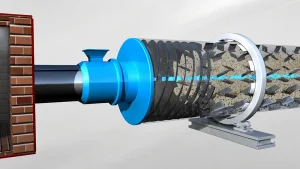
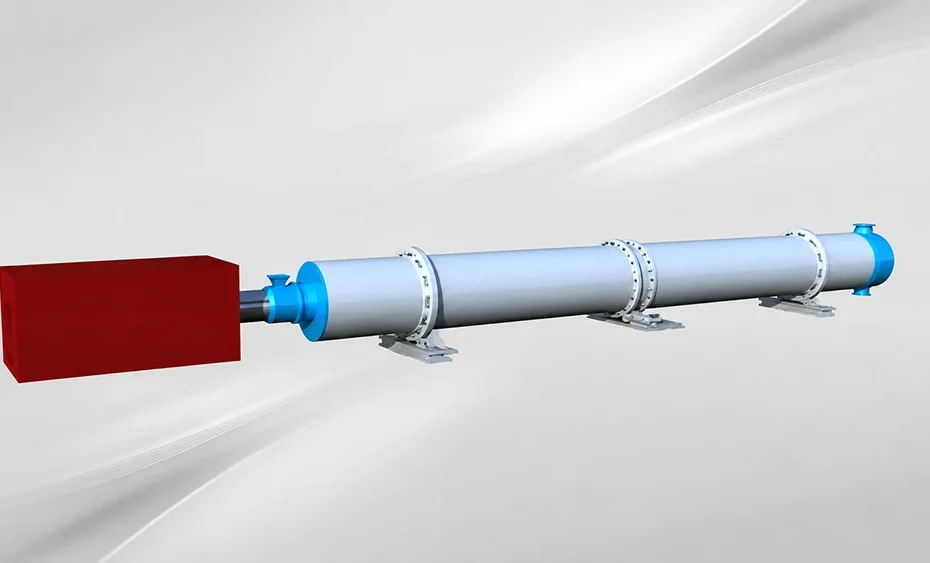
Chicken manure leaves the sheds near 70 percent moisture, composted organic sits in a 40 to 60 percent band, and dry straw arrives much drier. Blended in a single weigh hopper, the mix drifts out of the 20 to 25 percent wet-granulation window that disc and drum granulators are calibrated for, and the granulator downstream starts losing yield, granule hardness and finished tonnage. A DRYR rotary sawdust dryer with combined lifting flights, multi-fuel hot air and continuous drum drying pulls the blended moisture below the 20 percent ceiling and holds it there, so the granulator infeed becomes a controlled feedstock instead of a moving target.
DRYR Sawdust Dryer H-1010 to H-1815 Capacity Tiers: Staged Retrofit Capacity for MDF and Particleboard Lines Without Full Press Line Replacement
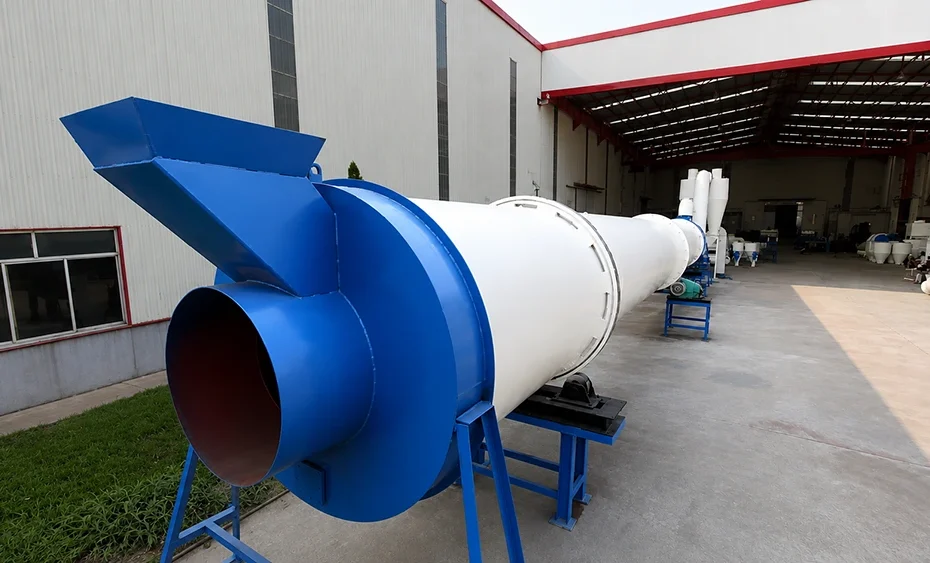
For mid-size MDF and particleboard plants in an expansion or aging-dryer replacement phase, the DRYR sawdust dryer covers 0.8 to 2 t/h across the H-1010, H-1212, H-1512, and H-1815 models on a common set of flange interfaces, so the plant can stage retrofit capacity on the existing press line instead of replacing it.
Sawdust Dryer Module for MDF and Particleboard Expansion: A Lower-Capex Path to Add Capacity or Section-Swap an Old Dryer
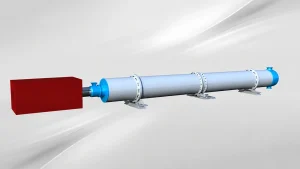
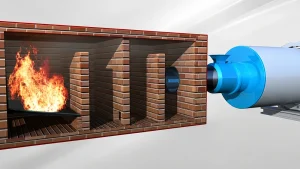
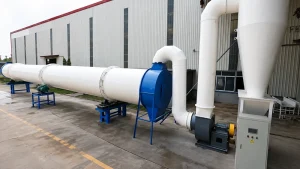
Mid-size MDF and particleboard producers hit the same wall during expansion or section-swap: a full-line replacement is not on the table. A DRYR assembled sawdust dryer ships as a stand-alone module with bolted-flange drum sections and standardized interfaces for the existing screw conveyor, multi-fuel hot-air furnace and cyclone dust collector, so a panel line can add or replace one drying stage in the 0.8 to 2 t/h working band without taking the line off the floor for months.
Modular Sawdust Dryer as a Standalone Add-On for MDF and Particleboard Line Expansion at Mid-Size Emerging-Market Panel Plants
Mid-size emerging-market MDF and particleboard producers hit the same constraint during expansion or retrofit: capex pressure plus an existing line that does not need a full replacement. A DRYR modular sawdust dryer drops in as a stand-alone machine, with a bolted-flange assembled drum, a 0.8 to 2 t/h four-model range, and standardized interfaces for screw conveyors, multi-fuel hot air furnaces and cyclone dust collection, holding output moisture below 10 percent at the press infeed.
DRYR Sawdust Dryer Project Cost for Landlocked Pellet Plants: Split Drum, Compact Civil, and On-Site Assembly at Inland East African Sites
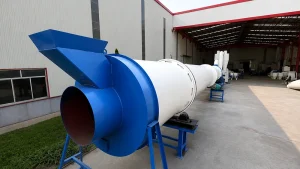
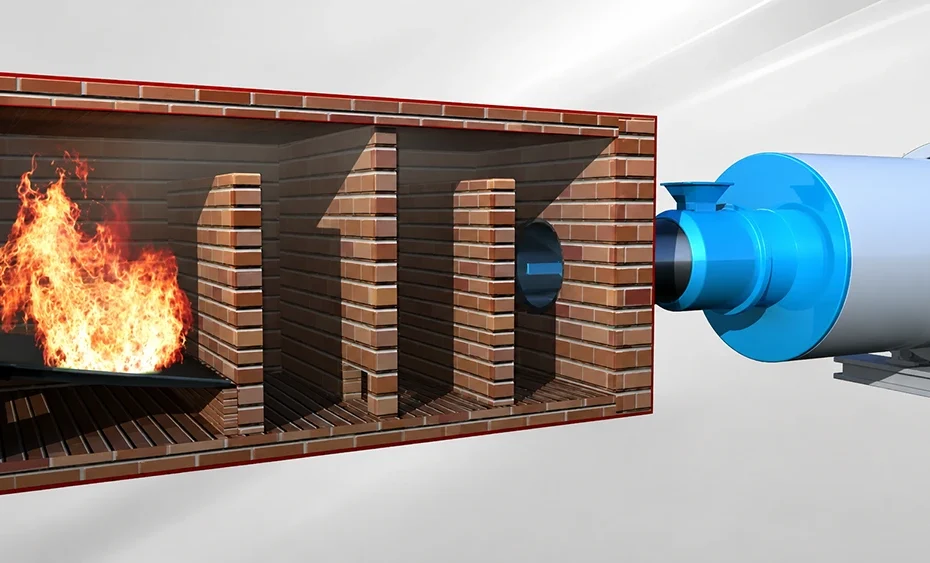
A 17 to 18 m DRYR rotary sawdust dryer reaches a landlocked East African pellet plant in Nakasongola as bolted flange modular sections inside standard 40HQ containers, is reassembled by a DRYR on-site commissioning crew, and runs at 0.8 to 2 tonnes per hour with output moisture below 10%. The compact drum layout cuts plant footprint by roughly 50% and civil investment on the foundation and steel structure by the same margin, so the inland pellet line lands on a smaller pad with fewer inland trucks and a shorter customs queue than a single welded drum would have carried.
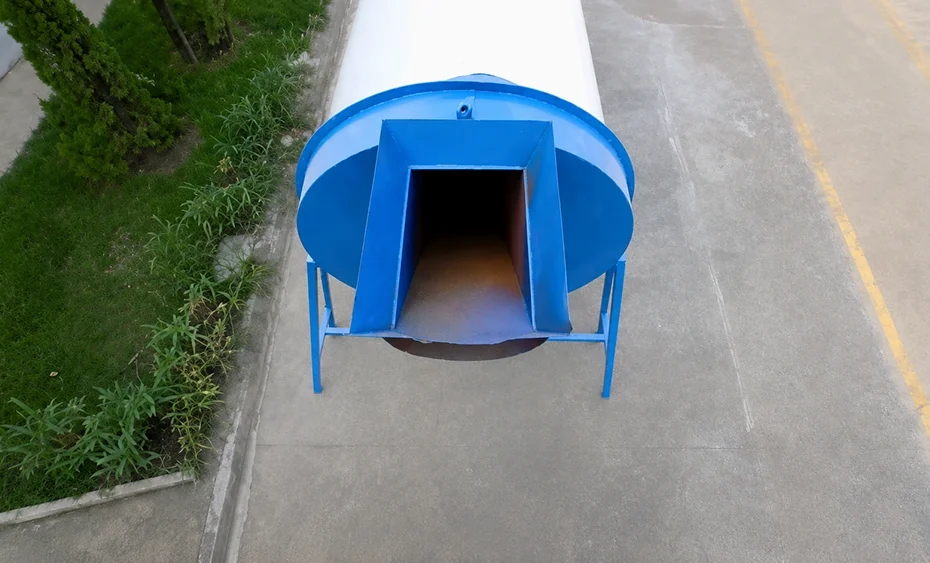
DRYR Sawdust Dryer for Inland East Africa: Split-Shipped 17–18 m Drum and On-Site Commissioning at Plants Like Nakasongola
A 17 to 18 m DRYR rotary sawdust dryer reaches inland East African plants like Nakasongola in bolted flange drum sections, gets reassembled and commissioned on site, and holds output moisture below 10 percent at 0.8 to 2 tonnes per hour.
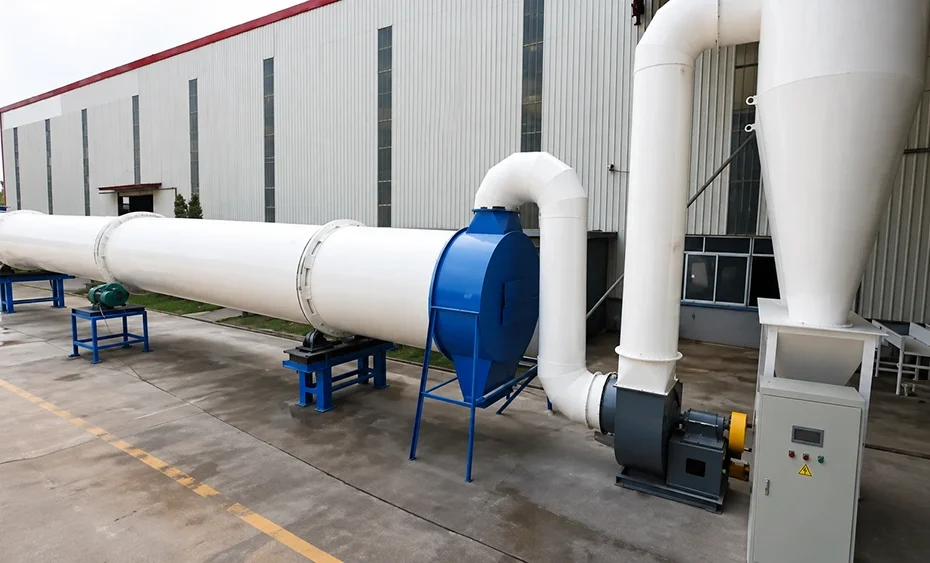
DRYR Rotary Sawdust Dryer Drum Construction: Bolted-Flange Sections and PLC Control Replace Hand-Welded Drum Downtime on 0.8–2 t/h Pellet and Pallet Lines
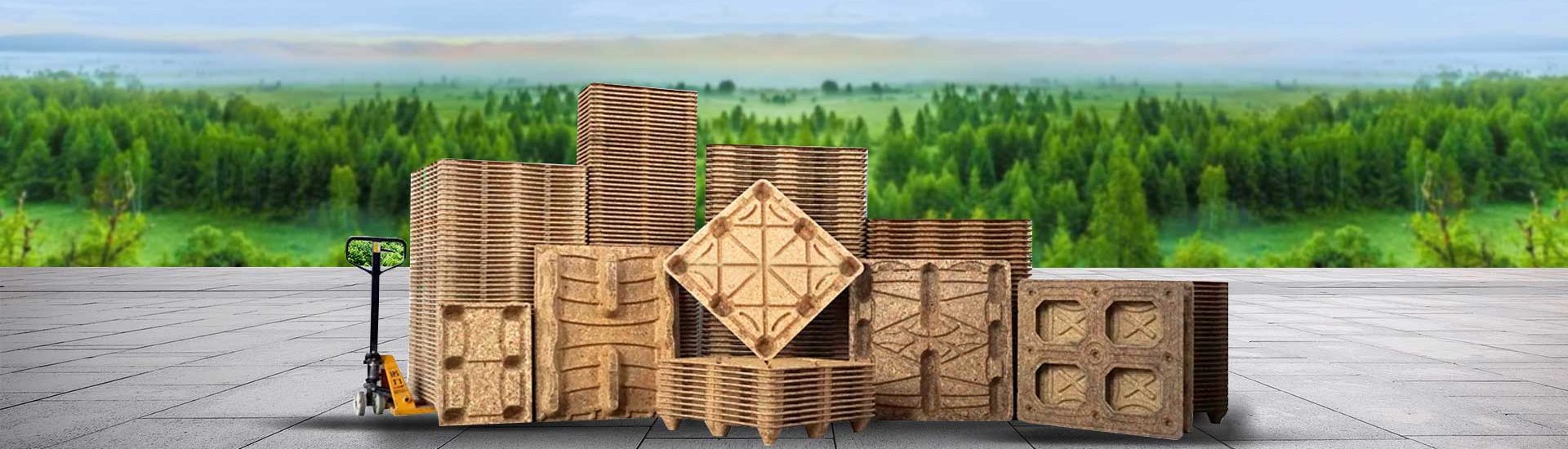
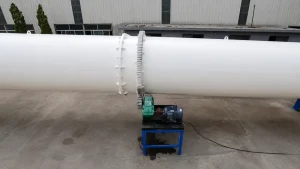
A hand-welded low-end rotary drum dryer drifts out of round in the first year and turns the dryer ahead of a 0.8 to 2 t/h pellet or molded-pallet line into a maintenance bottleneck. A standardized DRYR sawdust dryer uses bolted-flange drum sections, an external girth gear and pinion drive, and optional PLC control to hold the 10 percent output moisture window and stop the unplanned downtime pattern.
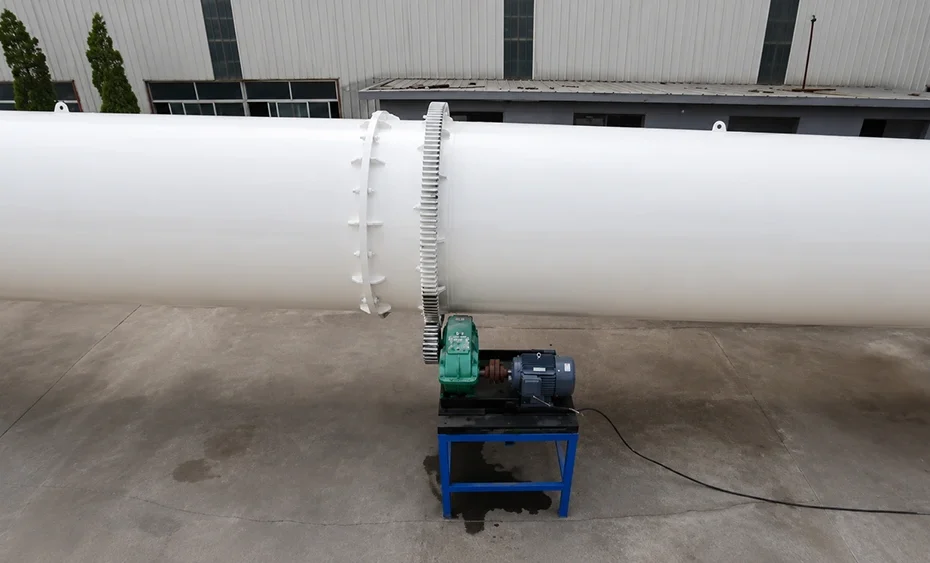
Standardized Sawdust Dryer vs Hand-Welded Drum Machines: Holding 0.8–2 t/h Pellet and Pallet Output Steady
When emerging-market pellet and molded-pallet plants retire a hand-welded low-end rotary drum, the bottleneck stops being capacity and starts being roundness, alignment, and uptime. Here is how a standardized sawdust dryer from DRYR replaces hand-welded shells with bolted flange assemblies and a precision drive train, and what changes at the 0.8 to 2 tonnes per hour working range.
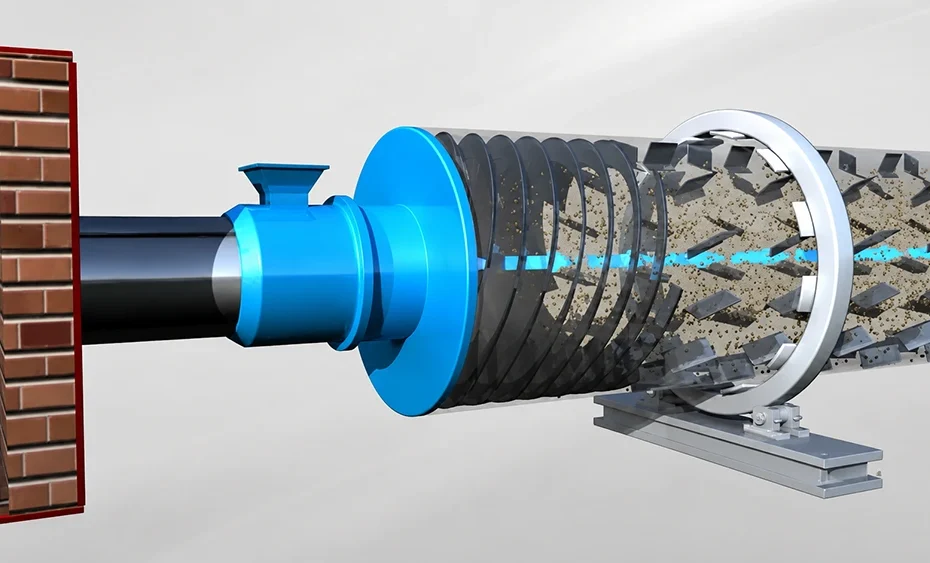
East Africa Sawdust Dryer Sourcing: On-Site Pine and Eucalyptus Moisture Sampling Before Custom Drum Sizing
East Africa pine and eucalyptus residues carry high initial moisture and absorb ambient humidity fast during rainy seasons. A DRYR pre-sales site visit samples raw material moisture at the source, then sizes the rotary drum dryer drum length and diameter for 0.8 to 2 t/h continuous output below 10% moisture.
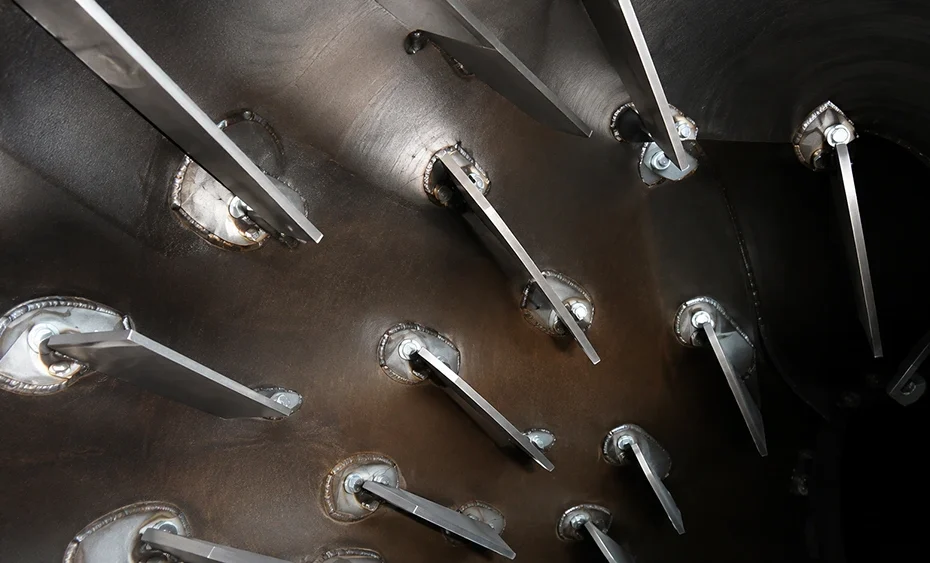
Tropical Sawdust Dryer Sizing: Why DRYR Customizes Drum Length and Heat Exchange Area Instead of a Fixed-Spec Catalog
Sawdust dryer sizing under tropical and monsoon climates is a climate-driven engineering decision, not a fixed-spec catalog number. For pellet lines running 50 to 60 percent pine or eucalyptus residues at 80 to 95 percent ambient RH, including East Africa rainy-season sites, DRYR tests raw material moisture on site and scales drum length from the standard 12 m up to 17 to 18 m plus matching heat exchange area. The 0.8 to 2 t per hour four-model range, multi-fuel hot air furnace, cyclone dust collector and PLC control keep output moisture inside the 10 percent binding window when the surrounding air is already nearly saturated.