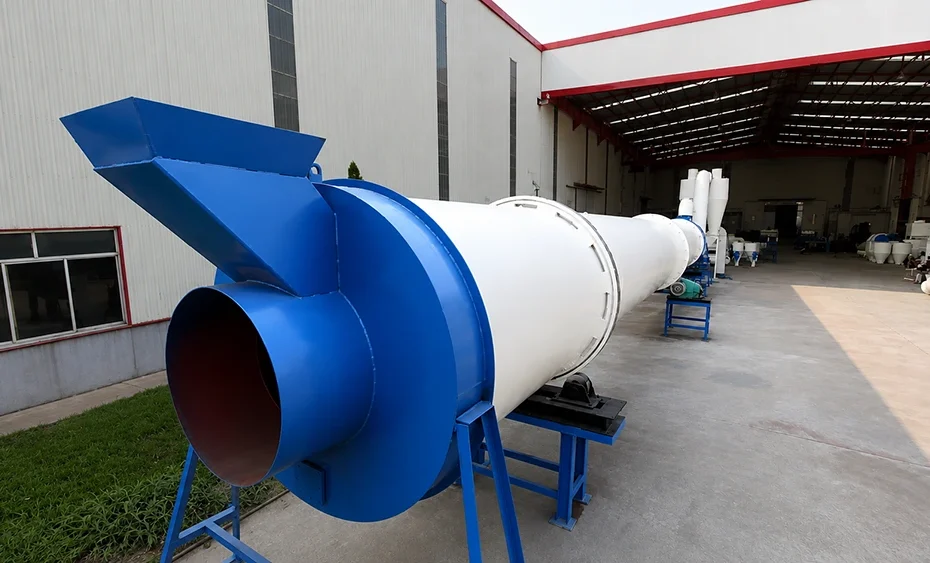
Hand-Squeeze Moisture Sampling Replaced by DRYR PLC-Logged Output on Organic Fertilizer Lines: Bolted-Flange Sawdust Dryer Drum Roundness at 0.8 to 2 t/h
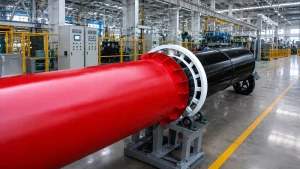
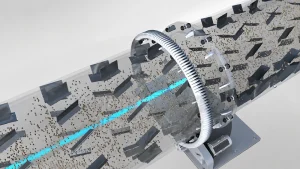
On emerging-market organic fertilizer lines running hand-welded low-end rotary drums and by-feel hand-squeeze moisture checks, output moisture swings 4 to 6 percentage points between batches and the granulator downstream absorbs the variance. A DRYR rotary sawdust dryer with bolted-flange drum roundness, external girth gear drive and PLC-logged output moisture holds the 8 to 10 percent binding window steady at 0.8 to 2 t/h on the H-1010 to H-1815 platform.
Replacing Sun-Drying and Hand-Built Drum Dryers on Small Organic Fertilizer Lines: How a DRYR Standardized Sawdust Dryer Closes the Batch-Variance Loop With Assembled Structure and PLC Control
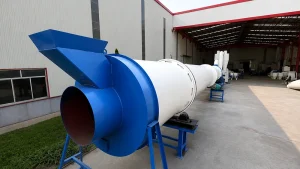
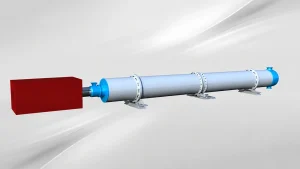
On small and mid-scale organic fertilizer lines in emerging markets, the drying stage still runs on operator experience: open-yard sun drying, hand-welded low-end rotary drums, and moisture readings done by hand-squeeze. A DRYR standardized sawdust dryer replaces the experience-driven stage with a continuous rotary drum, a bolted-flange assembled structure, and PLC-logged moisture control, so the line moves from by-feel drying to binding-window drying at 0.8 to 2 t/h on the H-1010 to H-1815 range.
DRYR Rotary Sawdust Dryer for Malaysia Outdoor Stockpiles: Why On-Site Sampling of Sawdust, Straw, and Chicken Manure Sizes the Drum to 17–18 m for 0.8–2 t/h Monsoon Throughput
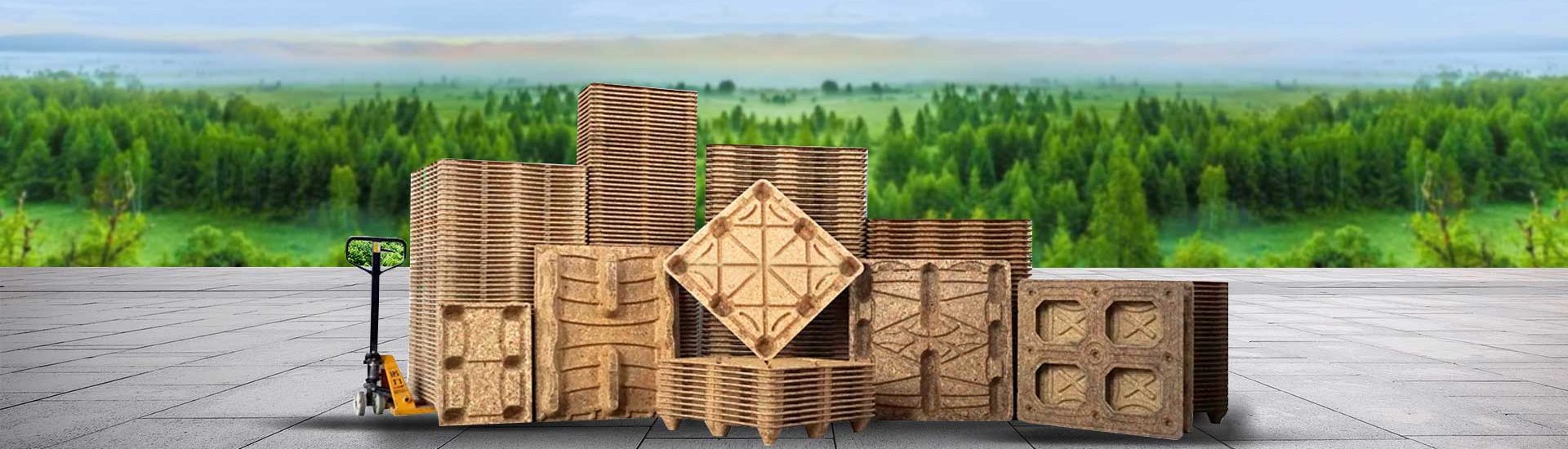
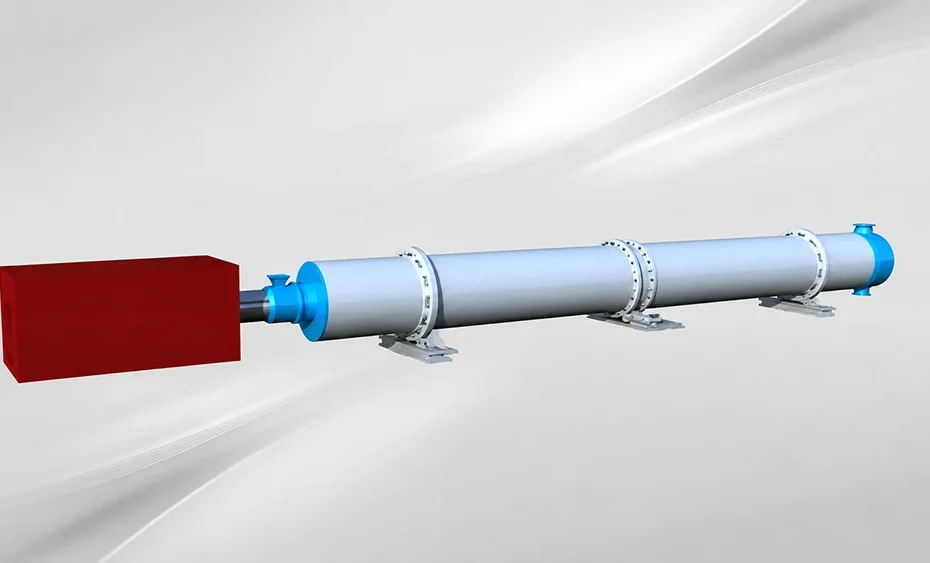
A Malaysia pellet, molded-pallet or organic-fertilizer plant running open-yard sawdust, straw, and chicken manure stockpiles at 55 to 80 percent moisture loses 15 to 25 percent of its 0.8 to 2 t/h rotary sawdust dryer output the moment the wet season starts. DRYR samples each raw material at the actual storage location before quoting, then sizes the drum from the standard 12 m of the H-1010 through H-1815 series up to the 17 to 18 m long drum used on tropical and monsoon sites, so the binding moisture window holds and the press downstream stops throttling.
Sawdust Dryer Sizing for Malaysia Monsoon Sites: DRYR On-Site Moisture Sampling and a 17–18 m Drum Upgrade to Keep 0.8–2 t/h Output Below 10%
A Malaysia tropical monsoon sawdust dryer meets 80 to 95 percent ambient RH with pre-sales on-site moisture sampling and a drum length scaled from 12 to 17 to 18 metres, so the 0.8 to 2 t/h line holds output moisture below 10 percent through the wet season.
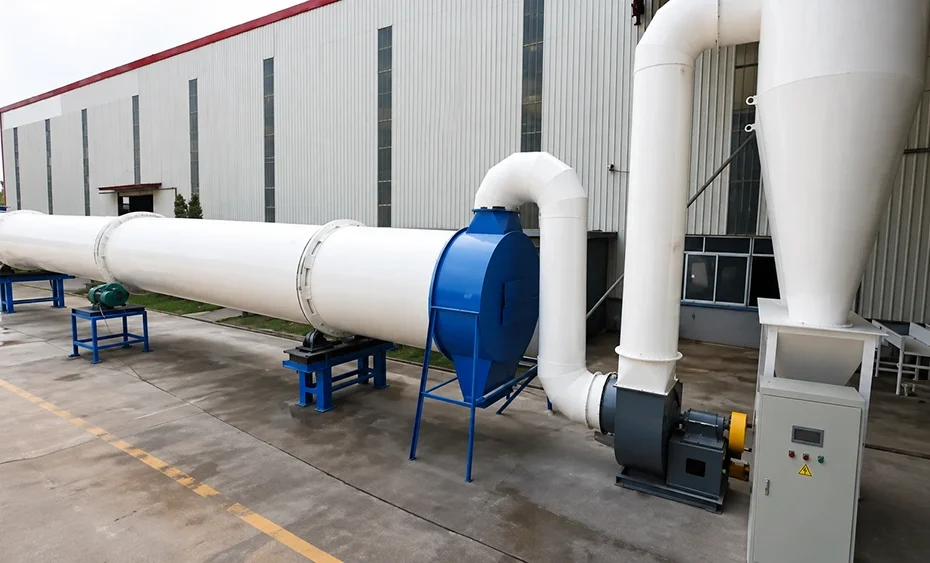
DRYR Sawdust Dryer Sealed Drum and Inlet Chute: How Blower Negative-Pressure Holds the Drying Stage Closed on POME and Chicken Manure Organic Fertilizer Lines
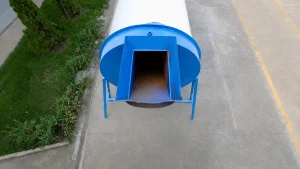
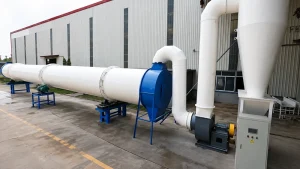
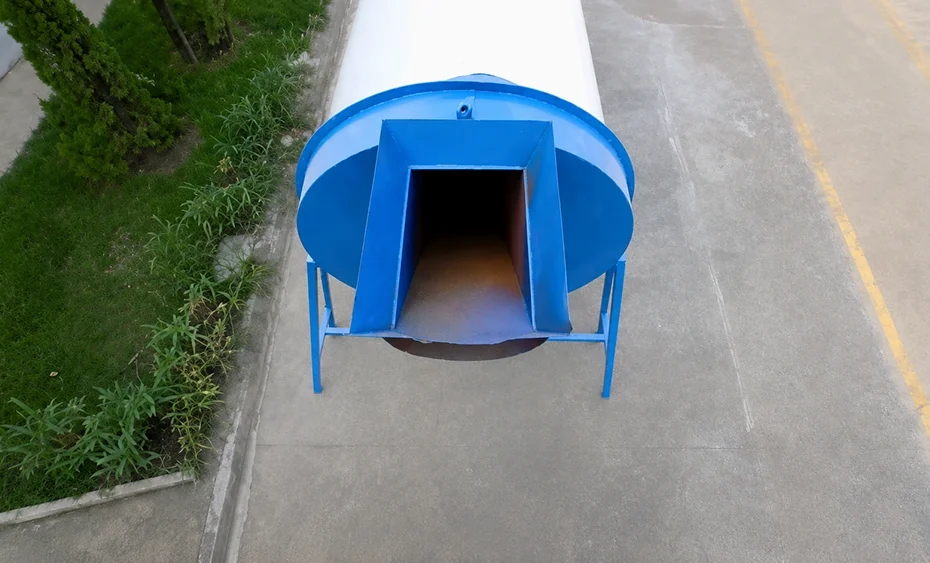
On a POME and chicken manure organic fertilizer line, the inlet chute where 60 to 80 percent wet material first meets hot air is the largest drying-stage dust and odor leakage point. A DRYR rotary sawdust dryer with a bolted-flange sealed drum, rectangular inlet chute seal, blower-induced negative pressure and conical cyclone dust collector consolidates the dryer envelope emission into a single compliant stack on the 0.8 to 2 t/h H-1010 to H-1815 range, with an honest scope on what the closed boundary covers and what it does not.
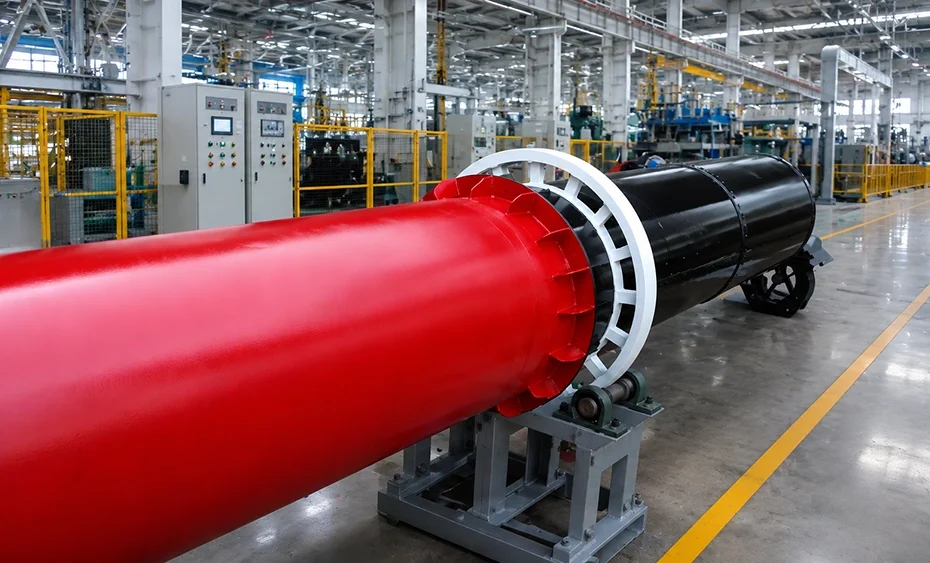
Cutting Drying-Stage Dust and Odor on Malaysia POME and Chicken Manure Organic Fertilizer Lines with a Sealed DRYR Sawdust Dryer and Cyclone Dust Collector
A Malaysia POME and chicken manure organic fertilizer line carries 60 to 80 percent raw moisture into the drying stage, where open conveyors and unducted drum ends carry dust and odor through the mill envelope. A sealed DRYR rotary sawdust dryer with bolted-flange drum, paired cyclone dust collector, optional baghouse, sealed rectangular inlet chute and multi-fuel hot-air furnace turns the dryer envelope into a closed line that exhausts through one compliant stack on the 0.8 to 2 tonnes per hour H-1010 to H-1815 drum range.
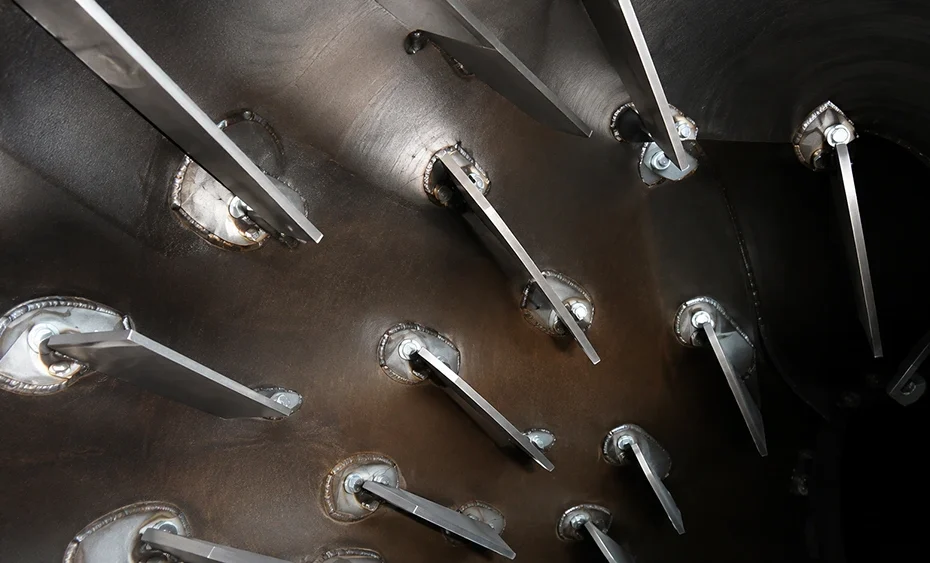
Sawdust Moisture Variance on a 0.8–2 t/h Pellet Line: How DRYR Sealed Drum, Combined Lifting Plates and Continuous Temperature Feedback Lift Pelletizing Yield
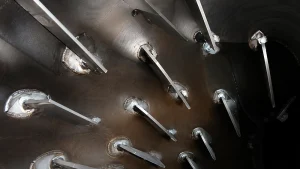
A 0.8 to 2 t/h biomass pellet line can lose 10 to 30 percent of its pelletizing yield to one variable: the sawdust moisture swing ahead of the pellet mill. DRYR is a rotary sawdust dryer built around a sealed drum, combined lifting plates and continuous temperature feedback. Furnish moisture locks inside the 8 to 10 percent binding window, pelletizing yield recovers and re-feed tonnage drops.
DRYR Rotary Sawdust Dryer Before the Pellet Mill: Holding Furnish Moisture Tight to Lift Pelletizing Yield and Cut Re-Feed
On a 0.8 to 2 t/h sawdust pellet line, every 5 to 10 point drop in pelletizing yield adds about 15 percent re-feed tonnage and 8 to 10 percent more kWh per ton at the press. A DRYR rotary sawdust dryer with combined lifting plates, a sealed drum and continuous temperature feedback holds furnish moisture inside the 8 to 10 percent binding window, so the pellet mill stops re-compensating and the line hits the pelletizing yield it was sold on.
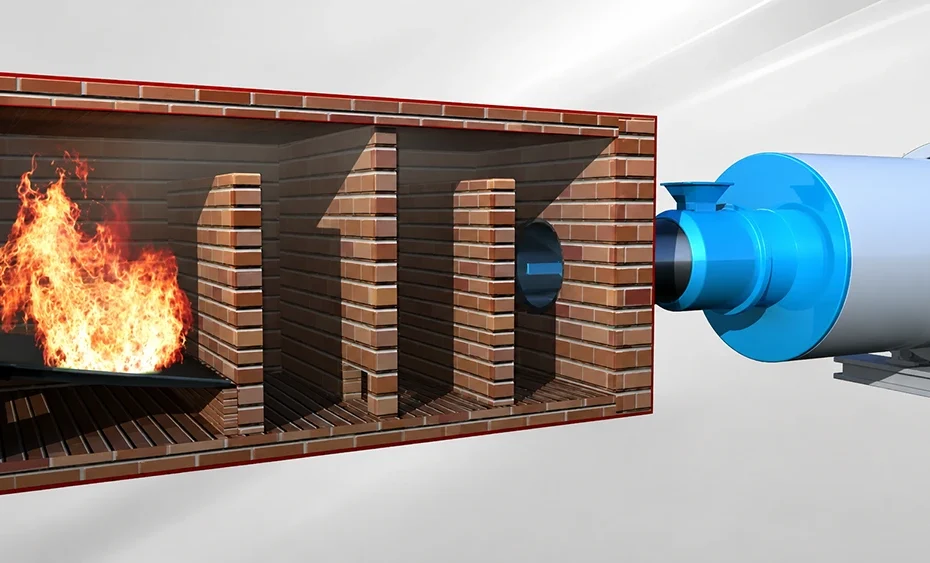
Cutting Drying Fuel Spend on a Small Organic Fertilizer Line: How a DRYR Multi-Fuel Sawdust Dryer Holds 8 kg of Coal per Ton and Switches the Furnace Between Coal, On-Site Waste, and Gas
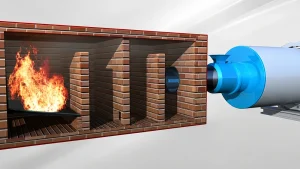
On a small or mid-scale organic fertilizer line, the drying stage is the largest fuel line item on the monthly bill, and a coal-only furnace locks the plant into one fuel market. A DRYR multi-fuel sawdust dryer with a refractory brick-lined combustion chamber and a self-insulation shell burns coal, oil, natural gas, or on-site agricultural waste to hold coal spend under 8 kg per ton of dried material, and switches between fuels on the same drum without a rebuild.
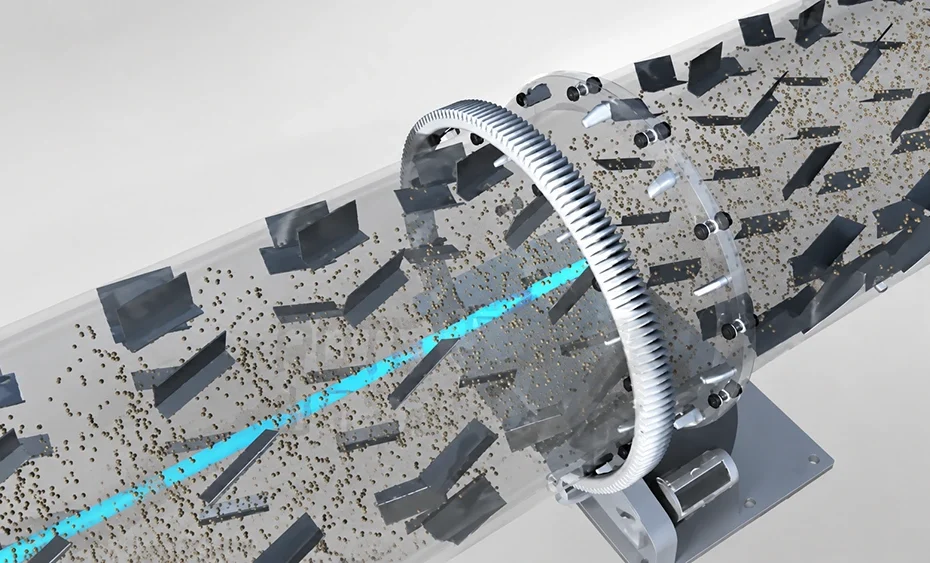
Organic Fertilizer Plant Drying Fuel Bill: How a DRYR Multi-Fuel Sawdust Dryer Burns On-Site Sawdust, Straw, and Rice Husk for a Closed-Loop Energy Cycle
On small and mid-scale organic fertilizer plants, drying is the largest fuel line item on the monthly cost stack. A DRYR multi-fuel sawdust dryer with a self-insulation shell burns on-site sawdust, straw, and rice husk to hold coal spend below 8 kg per ton of dried material and run the drying stage on a closed-loop energy cycle.